

Michigan truck driver logs evidence can help explain whether fatigue or safety violations contributed to a serious crash. These records track every hour spent on the road and every required rest break. If a driver skips sleep to stay on schedule, the logs show the truth.
Schedule a free consultation with Atnip & Associates about preserving truck-crash evidence.
Learning these rules is the first step toward holding a negligent trucking company responsible for your injuries and losses. This post explains Why Michigan truck driver logs evidence matters and shows how we find the truth about your crash.
Why Michigan truck driver logs evidence matters
Michigan truck driver logs evidence plays a central role in proving fault after a crash by showing if a driver worked too many hours. Federal safety rules limit how long a driver can stay behind the wheel to prevent tired driving and keep other people on the road safe. When a crash occurs, these logs reveal if the driver was too tired to drive safely because the company put profits ahead of your health. According to the Federal Motor Carrier Safety Administration, property-carrying drivers must not drive more than eleven hours after ten hours of rest. Accessing this data is a vital step in getting the full pay you need for your medical bills, lost wages, and pain and suffering.
When a large truck hits a car, the crash is often very bad. To find out what went wrong, you must look at the driver’s records. These records, known as logs, show how long the driver was on the road. In a legal case, this proof helps show if a firm followed the rules.
Most trucks now use digital tools to track time. These electronic logging devices (ELDs) make it harder for drivers to change their hours. This data helps show if a driver was too tired to drive safely. Our team knows how to read these files to find the truth for our clients.
Hours of service rules
Federal laws set strict limits on how many hours a truck driver can work. These are called hours of service rules. These rules exist to keep tired drivers off the road and prevent crashes. They include:
- A driving limit of 11 hours per shift.
- A 14-hour window to finish all daily work.
- A 30-minute break after eight hours of driving.
- A limit of 60 to 70 hours of work per week.
Logs show if a driver took their needed breaks. If a log shows a driver skipped a rest, it can be a big sign of fatigue. We look for these gaps when we build a case for Michigan truck accident claims in Michigan.
Signs of driver fatigue
Tired drivers make mistakes and might react slowly or fall asleep at the wheel. When we look at logs, we check for more than just total hours. We look for patterns of long days with very little rest. Digital data helps us see through records that might be wrong.
We also look at other data like speed and GPS place. By checking logs with road data, we can see if a driver lied about where they were. If a driver drove too many miles in too little time, they likely broke the law. This proof is key to showing that a driver or firm was at fault.
Saving data after a crash
Trucking firms often try to hide or delete proof after a crash. Logs and digital data are fragile. If you do not act fast, this proof could be lost for good. We send letters to the firm right away to make sure they save all records.
Our lawyers have worked for insurance firms before. This means we know the tricks they use to keep proof away from you. We know what to ask for and where to find it. Saving this data early helps us build a strong case for your needs.
Which truck records may help explain a crash?
A truck crash is often more than a simple mistake on the road. It is often the result of choices made long before the impact. To find the truth, your legal team must look at the logs and files that firms must keep. These Michigan truck accident lawyer guidance create a trail of data. This can show if a driver or a firm cut corners on safety.
Hours of service and driver logs
The most vital records are often the driver’s hours of service logs. Federal law sets strict limits on how long a person can drive a big rig. For example, truck drivers are limited to a maximum of 11 hours of driving after they have had 10 full hours off duty. These michigan truck driver logs evidence are now mostly kept on electronic devices. These tools track the truck’s motion. They make it much harder for a driver to hide how long they have been behind the wheel.
When a crash happens, these logs can reveal if the driver was too tired to drive safely. A driver who ignores rest rules puts everyone on the road at risk. If the logs show the driver worked more than 60 or 70 hours in a week, it may point to fatigue as a cause. Our team knows how to look for gaps or errors in these logs. Such signs may show a driver was pushed too hard by their firm.
Maintenance and inspection files
Trucking firms must also keep full files on the health of their fleet. Every truck needs regular checkups to ensure the brakes, tires, and lights work as they should. If a firm fails to fix a known issue, they may be liable for any crash that results. Pre-trip and post-trip reports can show if the driver noticed a problem but chose to drive anyway. These records help paint a full picture of the firm’s duty to safety. They show if they followed mandatory maintenance rules.
Driver qualification and training files
A truck firm is responsible for the people they hire. Their files should show that the driver was fit to work and had the right training. This includes medical cards, driving records, and proof of proper licensing. If a firm hires a driver with a history of bad crashes or failed drug tests, they may have been negligent. These files show if the firm did its job to keep dangerous drivers off the road.
| Record Type | What It Shows | Legal Role |
|---|---|---|
| ELD Data | Driving and rest times | Finds fatigue issues |
| Maintenance Logs | Repair and service history | Finds mechanical failure |
| Personnel Files | Hiring and training data | Shows negligent hiring |
| ECM Data | Speed and braking data | Proves crash dynamics |
Dispatch and telematics data
Modern trucks send a lot of data back to the home office. Such tools can track speed, hard braking, and GPS location in real time. Dispatch notes can show if a firm gave a driver a load that was hard to deliver on time without speeding. By matching this data with the driver’s logs, we can often find out if a driver was being truthful about their work day. This digital trail is a key part of building a strong case after a truck accident.
How are driver logs checked against other evidence?
Lawyers use driver logs to build a clear timeline of a crash. These records show when a driver was behind the wheel and when they rested. But logs alone do not tell the whole story. To find the truth, experts compare these records with other data from the trip. This process helps find gaps or errors in the driver’s report. It also helps lawyers understand the context of the driver’s acts leading up to the crash.
Comparing logs with digital data
Newer trucks use Electronic Logging Devices (ELDs) to track driving time. These tools make it hard to change logs by hand. Lawyers check these files against GPS data and phone records. If a log says a driver was resting but GPS shows the truck moving, it raises a red flag. This check helps show if a driver went past their legal limit. It can also point to a pattern of unsafe acts over several days.
Fuel receipts and toll bills also show the truck’s place. Each time a driver buys fuel or passes a toll, a time stamp is made. These marks must line up with the entries in the driver’s logbook. In Michigan, truck black box evidence require these logs to be right. Even small gaps can show that a driver was too tired to be safe. Lawyers use these facts to build a case based on solid proof rather than guesses.
Matching logs to truck sensors
Trucks have a “black box” known as an Electronic Control Module (ECM). This tool records speed, brake use, and engine hours. Experts match this data to the hours listed in the logbook. For example, the ECM may show the engine was on during a set rest break. This suggests the driver did not get the sleep they needed before the crash. It may also show if the driver was speeding to make up for lost time.
Federal law sets strict limits on how long a person can drive. Most drivers can only be on the road for 11 hours at a time after a long break. Checking tools against logs helps prove if these rules were met. This step is key to show if fatigue played a role in the crash. It turns a simple logbook into a strong piece of michigan truck driver logs evidence. These tools give a silent witness to the driver’s real acts.
Using context to find the truth
Shipping papers and bills of lading also help check a timeline. These papers show when a load was picked up and when it arrived. If the drive time between two points is too short for the speed limit, it shows the driver may have rushed. This cross-check allows lawyers to see the real story of the trip. They can see if the driver was under pressure from their company to meet a tight deadline.
Weather and road data also add context to the logs. Experts look at the weather on the day of the crash. If a driver spent too much time in traffic, they may have tried to drive longer to finish their shift. By looking at the whole trip, lawyers can see why a driver might have ignored safety rules. This full view is vital for a fair look at the cause of the crash. It helps show that safety is about more than just a piece of paper.
What can safety records reveal about responsibility?
When a large truck hits a car, the police report is only the start of the story. To find out why the crash happened, we must look at the safety records. These papers and digital files show how the driver acted. They also show if the trucking company followed the rules. These records often hold the key to proving who is at fault for your injuries. At Atnip & Associates, we know that these files tell a story of conduct and choice.
Tracking driver conduct and fatigue
Driver fatigue is a major cause of crashes on Michigan roads. To keep people safe, the law limits how long a driver can stay behind the wheel. For example, truck drivers must stop after 11 hours of driving in a single shift. They also need 10 hours of rest before they start their next day. If a driver skips these breaks, they become tired and slow to react. This risk puts every family on the road in danger.
We use michigan truck driver logs evidence to spot these risks. Most trucks now use digital tools to track time. These logs make it harder to hide errors, but some still try to cheat the system. When a log shows a driver was on the road for too long, it is a clear sign of poor safety. It proves the driver was too tired to drive safely. We also look for missing rest stops and daily duty limits to find the truth.
Carrier policies and supervision
Blame does not stop with the driver. The company that hired them must also follow evidence to preserve after a serious crash to stay safe. A carrier must check driver logs often to catch mistakes. If a company ignores bad habits, they share the blame for any crash that follows. Safety records show if the company chose profits over the safety of other drivers. A firm that pushes its drivers too hard is a danger to the public.
Other records also play a part in your case. Maintenance logs show if the truck was in good shape. If a company did not fix the brakes or tires, they put everyone at risk. We look at these files to see if a carrier was lazy or cheap. This helps us build a strong case for your claim. It shows a pattern of neglect rather than just one bad choice. We look at the following records to find the truth:
- Driver background files and hiring checks.
- Drug and alcohol test results.
- Vehicle repair and inspection logs.
- Training and safety class records.
Securing data as vital evidence
It is vital to get these records fast. Many trucking firms will try to hide or destroy logs after a crash. They know that this data can prove they were wrong. Our team knows how to spot these tricks. Since our attorneys have worked for insurance firms in the past, we know the moves these teams make to avoid blame. We act quickly to save the logs and digital data before they are gone. This quick action is the best way to protect your rights.
We look for more than just paper logs. Digital data from the truck can show speed and braking patterns. When we match this data with the driver logs, we get a full picture of the crash. This proof is much stronger than just a witness story. It uses facts and data to show what truly happened on the road. We use this data to make sure you get the help you need after a tragic loss.
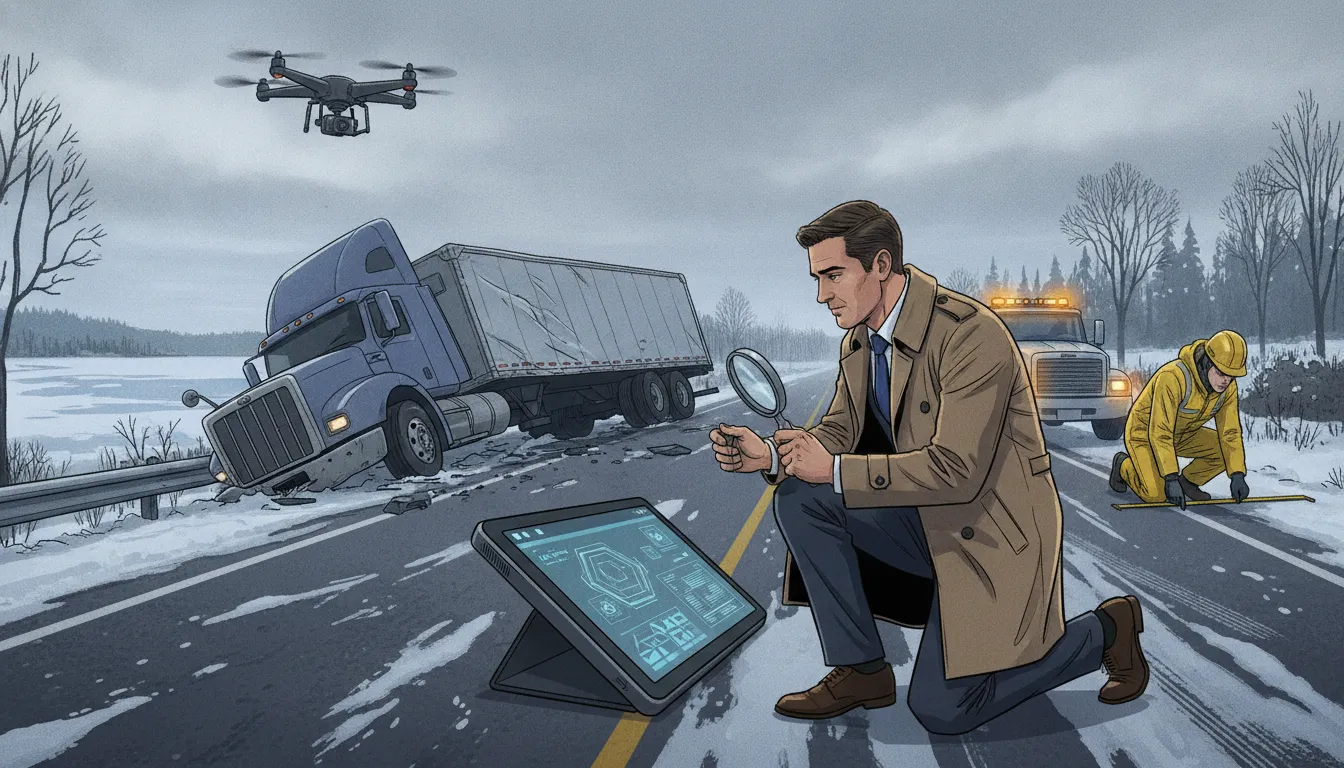
How can important trucking evidence be preserved?
Following a crash, the trucking company and its insurer often start their own check within hours. They want to find ways to limit what they pay or hide proof of fault. You must act just as fast to keep records safe. One key piece of proof is the michigan truck driver logs evidence, which shows if a driver was on the road for too long.
Protecting digital data and paper records
Most modern trucks use electronic logging devices to track drive time. These tools help follow federal hours of service rules that limit how long a driver can work. But even digital data can be lost or wiped if not saved right away. A lawyer can send a formal letter to stop the company from destroying these vital records.
Beyond drive time, other data helps show what happened before the impact. Modern trucks have computers that track speed, braking, and steering. When combined with logbooks, this data builds a full picture of the crash. Getting this proof early makes it much harder for a company to hide safety slips.
Moving quickly to secure the scene
Evidence at the crash site can fade or change in days. Tire marks wear away and debris is cleared. Taking photos and notes right away is a big help for your case. It is also wise to find and speak with any witnesses who saw the event. Their stories can back up what the digital logs show about the driver’s state.
A skilled team knows how to look for signs of driver fatigue. If a driver skipped a break or drove too many hours, the logs will show it. You need a firm that understands motor vehicle accident representation to find these gaps. This depth of check is a key part of any strong claim for help.
- Send a preservation letter. A legal notice warns the trucking firm not to delete, change, or destroy any proof. This includes driver logs, email, and truck data.
- Gather logging device data. Secure the records from the truck’s electronic system. These show exact drive times and rest breaks to find safety breaches.
- Analyze truck computer data. Get the data from the truck’s black box or control module. This proof shows the truck’s speed and any hard braking just before the crash.
- Collect driver and truck files. Request the driver’s work history and the truck’s repair logs. These files can show a pattern of poor safety or missed truck fixes.
- Inspect the truck and site. Have an expert look at the truck for mechanical faults. They can also check the road for skid marks that show how the crash occurred.
What should you do after a serious Michigan truck crash?
A truck crash can change your life in a split second. You may feel lost, scared, or in deep pain. The steps you take in the days after a wreck are key for your health and your future. You need to act fast to protect your legal rights. This guide helps you know what to do so you can move forward with hope.
Put your health first
Your first goal must be to get medical help. Even if you think you are okay, you should see a doctor right away. Many serious injuries do not show signs for days or weeks. For example, brain injuries or bleeding inside your body can hide at first. A doctor can find these issues and start your care before they become a bigger threat to your life. Getting help early creates a clear link between the crash and your hurt.
You must also follow all the advice your medical team gives you. Go to every check-up and physical therapy session. If you miss visits or do not take your meds, the insurance firm will notice. They might claim that your injuries are not as bad as you say. They may even argue that you made your own health worse. Staying on top of your care shows that you are working hard to heal and that your claim is real.
Find and save key proof
You must gather and save proof as soon as you can. In a truck wreck case, some of the most vital proof is the michigan truck driver logs evidence that tracks the driver’s time. Federal law has strict rules for how long a truck driver can stay behind the wheel. For example, most drivers have an 11-hour driving limit after they have spent 10 hours off the clock. They also must take a 30-minute break once they hit eight hours of work. If a driver skips these breaks, they become a danger to everyone on the road.
Truck firms often try to hide these logs or delete digital data. Modern trucks use electronic logging devices to track these hours. You need a legal team that knows how to find this data before it is gone. Our firm knows how to use electronic truck evidence to get the facts. We look for logbooks, camera footage, and black box records to build a strong case for you.
Avoid common traps and mistakes
It is key to stay off social media after a crash. The insurance firm and their lawyers will look for your posts. They might take a photo of you smiling at a dinner and use it to say you are not in pain. Even a simple post can be twisted to hurt your case. It is best to keep your life private until your legal matter is over. Also, never give a recorded statement to an insurance agent without a lawyer present. They often ask tricky questions to get you to admit fault.
Keep a safe file for all your papers. This includes police reports, bills, and repair quotes. You should also keep a daily journal of your pain and how it limits you. This record helps show how the crash changed your daily life. When the time is right, talk to Michigan motor vehicle accident attorneys about your options. A lawyer can handle the hard work with the insurance firms so you can focus on your healing. Having an expert by your side can give you peace of mind during a hard time.
Frequently Asked Questions
Why is it critical to secure truck driver logbooks quickly after a crash?
Trucking firms only need to keep logs for a short time before they can get rid of them. If you do not move fast, key facts about the driver’s work and rest may be lost. This data shows if a driver was too tired to drive well. Our team sends legal letters to stop firms from hiding these files. This helps make sure you have the proof you need.
Can truck driver logs be used to prove liability in a truck accident?
Yes, driver logs are a big part of proving who was at fault in a crash. These files show if a driver went past their legal work limits. If the logs show the driver did not take a rest or drove for too long, it helps show they were at fault. Based on the FMCSA, these rules help stop tired driving and keep roads safe for all.
What are the federal HOS regulations for Michigan truck drivers?
Federal law sets strict limits on how long a truck driver can stay on the road. Most drivers of large trucks may only drive for 11 hours after they have had 10 full hours off. They also must not drive after they have been on duty for 14 hours. These rules from the FMCSA help make sure that drivers get enough sleep to stay alert and avoid wrecks.
How do falsified logbooks impact Michigan truck accident cases?
Some drivers or firms change logs to hide how long they were truly on the road. When logs are faked, it shows that the driver or the firm knew they were breaking the law. This can be used to show that they put profit over safety. Our lawyers look at other data, like gas receipts and GPS facts, to find these lies. Proving a log was faked can help your case for a fair claim.
Get the help you need for your Michigan truck accident claim
Trucking firms often hide or throw out driver logs and safety records after a crash so you should act fast to save this key proof. Starting your claim now lets our team manage contact our Michigan injury lawyers to show what went wrong on the road today. We work on a no-fee basis to fight the trucking firm while you focus on your own health and recovery after this serious crash event.
Call 586-524-9738 for a free consultation about your Michigan truck accident claim.