

A concussion can be easy to miss after an accident. Symptoms may begin immediately or develop hours or days later, and they can affect concentration, memory, balance, mood, sleep, and everyday tasks. Prompt medical attention should come first, even when the injury does not involve loss of consciousness.
Call 248-599-1607 to schedule a free consultation and discuss your next steps.
Answer: A concussion lawsuit lawyer consultation may help you understand how the accident, medical timeline, symptoms, records, work impact, and insurance issues fit together. It does not replace a medical evaluation, and whether a claim may be appropriate depends on the facts.
Consider keeping a simple record of symptoms, appointments, restrictions, and changes in daily life. That information can help clarify what happened and why the effects matter as you consider whether a legal consultation makes sense.
When should you consider a concussion lawsuit lawyer consultation?
A concussion does not automatically mean that you have a lawsuit. A concussion is a mild traumatic brain injury that affects brain function. Not everyone who experiences a blow to the head or body has one. Symptoms and their effects also vary from person to person. A consultation can still be useful when an accident may have caused your injury. It can help you understand the legal and insurance issues surrounding your recovery.
Consider speaking with a lawyer when any of these circumstances apply:
- Your symptoms are interfering with work, school, relationships, driving, sleep, or ordinary daily activities.
- You continue to need medical evaluation, treatment, therapy, medication, or follow-up care, and related bills or wage loss are accumulating.
- An insurer disputes whether the accident caused your injury, delays benefits, or asks you to provide a statement before you understand your rights.
- Fault is disputed, the accident involved more than one person or vehicle, or important evidence may be held by another party.
- Your symptoms suggest that a more serious traumatic brain injury may be possible, or your recovery is taking longer than expected.
Concussion symptoms may appear immediately or hours or days after an injury. They can affect how you feel, think, act, or sleep. Examples include headaches, dizziness, concentration problems, memory problems, irritability, anxiety, and changes in sleep. Symptoms can change during recovery and may last for days, weeks, or longer. The Centers for Disease Control and Prevention explains concussion signs and symptoms. Online information cannot determine whether you have a concussion or what caused your symptoms.
Medical care comes first. Seek appropriate evaluation for suspected concussion symptoms, and follow the recommendations of your healthcare professionals. A legal consultation is a separate review. The lawyer may examine the injury timeline, accident facts, records, treatment, symptoms, effect on work and daily life, and available insurance information. Those details can help clarify whether there may be a claim and what issues require further investigation.
For example, a vehicle injury may involve both a first-party claim against an insurer and a third-party liability claim against an at-fault driver. Michigan no-fault issues can also involve medical expenses and wage-loss documentation. A Michigan traumatic brain injury lawyer may help assess whether the facts warrant a broader TBI claim review. The firm represents injured people and families throughout Michigan, including those dealing with serious injuries, disputed insurance matters, or changing symptoms.
You do not need to decide on litigation before requesting guidance. An initial evaluation considers factors such as injury severity, liability clarity, and available insurance coverage. The purpose is to understand your options based on your facts, not to assume a particular result.
How can delayed concussion symptoms affect a claim?
A concussion does not always announce itself at the moment of an injury. Some symptoms may appear immediately, while others may develop hours or days later. Symptoms can also change during recovery, so a person who initially feels mostly well may later notice problems that affect concentration, memory, mood, sleep, or ordinary activities. The Centers for Disease Control and Prevention explains that concussion symptoms differ from person to person and may affect how someone feels, thinks, acts, or sleeps. Learn more about concussion signs and symptoms from the CDC.
This medical timeline is different from the question of legal proof. Delayed symptoms do not automatically establish that another person was legally responsible, and an early lack of obvious symptoms does not necessarily rule out an injury. A claim may depend on the incident, the sequence of symptoms, medical findings, treatment, insurance issues, and other evidence. A Michigan traumatic brain injury lawyer can review those facts in context rather than relying on one moment in time.
Why a symptom timeline matters
For a consultation, write down what you noticed and when you noticed it. Include changes in headache, dizziness or balance, concentration, memory, thinking clearly, sleep, anxiety, irritability, or emotional responses. Also note how those changes affect work, school, driving, household responsibilities, communication, and relationships. The person experiencing the injury may not recognize every effect, especially when memory or concentration is involved. Observations from a family member, coworker, or another person who regularly sees you may help describe changes in daily life. But they should be accurate and based on what that person actually observed.
Keep medical appointments, discharge instructions, prescriptions, referrals, and follow-up recommendations together. Tell healthcare professionals about symptoms, including symptoms that began later or have changed. Medical symptoms can resemble other health problems, so this information should not be used to diagnose yourself. Prompt evaluation is important after a head injury, even when emergency care does not seem necessary. Legal research is not a substitute for medical care.
Preparing documentation for a consultation
Bring a simple timeline, copies of relevant records if available, and information about missed work, changed duties, or help needed with daily activities. A lawyer may review the injury timeline, treatment, records, work impact, accident facts, and insurance information. If the injury affects longer-term care or daily support, information about those changes may also matter in reviewing potential catastrophic injury claims. Careful documentation does not guarantee a claim or a particular result, but it can help the legal team understand what happened and identify questions for further investigation.
What medical records and evidence matter in a concussion case?
A concussion record is more than a diagnosis written on one date. A lawyer may need to understand what happened, when symptoms began, how they changed, what treatment was recommended, and how the injury affected work and ordinary activities. The Centers for Disease Control and Prevention explains that concussion symptoms can affect how a person feels, thinks, acts, or sleeps, and symptoms may change during recovery. Because symptoms can resemble other health problems, medical documentation should be evaluated by healthcare professionals rather than treated as a self-diagnosis.
Keep copies of records and note information that helps establish a clear timeline, including:
- Emergency department, urgent care, primary care, and specialist records, including evaluation findings, diagnosis, restrictions, and follow-up recommendations.
- Medication lists, therapy records, test results, and appointments that show the treatment course and whether symptoms improved, continued, or changed.
- A symptom journal describing headaches, dizziness, balance problems, concentration or memory difficulties, sleep changes, irritability, anxiety, and trouble thinking clearly.
- Work records, missed shifts, modified duties, school effects, and specific examples of changes to driving, household tasks, exercise, or personal activities.
- Incident evidence, such as photographs, video, an accident report, property damage records, and the names and contact information of people who saw what happened or noticed changes afterward.
- Insurance letters, claim numbers, recorded-statement requests, benefit explanations, bills, and communications about medical expenses or wage loss.
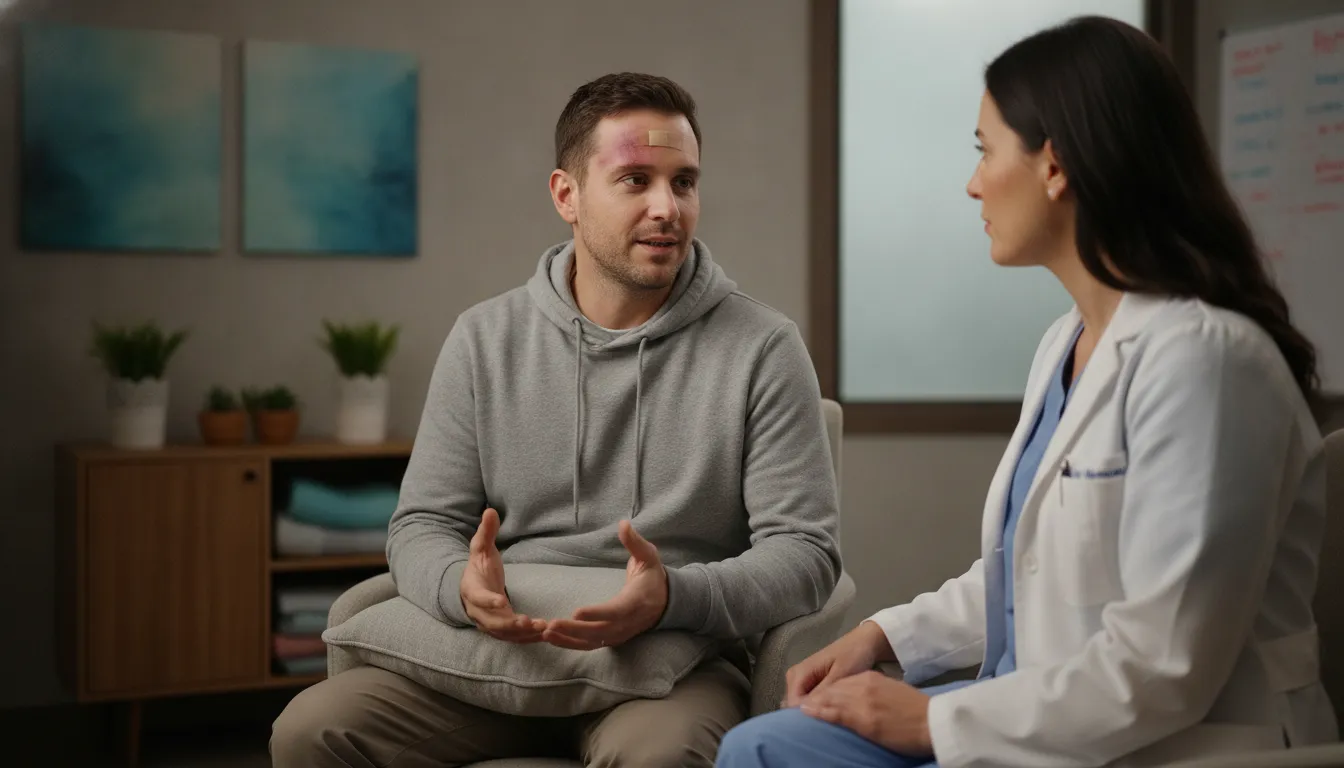
Not every record will prove that an incident caused every symptom, and missing records do not automatically determine the outcome. They give the legal team material to compare with the incident facts, prior health information, treatment timeline, and insurance position. In a vehicle matter, Michigan claims may involve both first-party benefits through an insurer and third-party liability against an at-fault driver. Medical expenses and wage-loss documentation may also matter in evaluating no-fault issues. A Michigan motor vehicle accident claim can involve different evidence depending on how the injury occurred and which benefits are being requested.
An attorney may compile and analyze medical records, identify and interview witnesses, and coordinate qualified experts when appropriate. If symptoms or functional changes are serious or persistent, a Michigan traumatic brain injury lawyer can review the available information and explain what additional documentation may help. Families managing daily assistance can also review Michigan attendant care benefits. Seek appropriate medical attention for suspected concussion symptoms first. Legal review is individualized and cannot guarantee a finding of causation, compensation, or recovery.
What should you bring to a concussion lawsuit lawyer consultation?
You do not need a perfect file or a complete explanation before speaking with a lawyer. A concussion lawsuit lawyer consultation is an opportunity to organize what happened, understand which information may matter, and identify unanswered questions. Bring what you have, be candid about what you do not know, and let the attorney help determine what additional records or evidence may be needed.
If you were hurt in a crash, the review may involve both insurance benefits and a potential claim against another party. These Michigan motor vehicle accident claims can involve different documents and insurance issues. Consider gathering the following:
- Identification and contact details. Bring your name, address, phone number, email address, date of birth, and the best way to reach you. Include the names and contact information for anyone who helped you after the incident.
- A simple incident timeline. Write down the date, location, and circumstances of the event. Note what you remember before and after the impact, whether you struck your head or body, when symptoms began, and how they changed. If you are unsure about a detail, label it as uncertain rather than guessing.
- Medical records and bills. Bring discharge papers, diagnostic reports, provider information, prescriptions, therapy records, medical bills, and health-insurance correspondence if available. You can also list appointments you have not yet received records for. An attorney may later compile and analyze these materials as part of reviewing the injury.
- Symptoms and effects on work or daily life. Keep notes about headaches, dizziness, balance problems, concentration, memory, sleep, mood, or other changes. Record missed work, reduced duties, difficulty completing ordinary tasks, and help you now need from family. These details can be difficult to remember later, so contemporaneous notes may be useful.
- Insurance information. Bring auto, health, disability, or other potentially relevant policy information, claim numbers, adjuster contact details, letters, emails, and recorded-statement requests. In Michigan vehicle matters, PIP medical expenses and wage-loss documentation may be relevant.
- Photographs, messages, and witness details. Save photographs of the scene, vehicles, visible injuries, or relevant conditions. Preserve texts, emails, social-media messages, incident reports, and other communications. List witnesses and what each person may have observed. Do not delete or alter original files.
- Your questions and concerns. Write down what you want to understand, including how the review works, what documents are missing, how communication will occur, and how fees are handled. The firm describes attorney fees as payable only if compensation is recovered, but ask for the agreement and cost terms that apply to your situation.
Do not postpone necessary medical care while collecting paperwork. Seek appropriate medical attention for suspected concussion symptoms first, then gather documents as you are able. For broader information about potential brain-injury issues, review this guide to a Michigan traumatic brain injury lawyer.
What will a Michigan lawyer ask about your concussion?
A consultation usually begins with your account of what happened. The lawyer may ask when and where the incident occurred. They may ask what part of your head or body was struck, whether you felt disoriented, and what you remember before and after the event. If a vehicle was involved, expect questions about the drivers, road conditions, reports, photographs, and anyone who saw what happened. These details can help clarify how the injury occurred and whether liability may be disputed.
You may also be asked when symptoms began and how they have changed. Be as specific as you can about headaches, dizziness, balance problems, concentration or memory difficulties, mood changes, and sleep disruption. A concussion can affect how a person feels, thinks, acts, or sleeps, and symptoms can vary from person to person. Your answers are not a test, and uncertainty is understandable after a head injury. A lawyer is trying to understand the timeline, not blame you for delayed recognition.
The discussion will likely include medical care. Bring up emergency treatment, primary-care visits, specialists, testing, prescribed treatment, follow-up appointments, and any instructions you received. If you have not been evaluated for suspected concussion symptoms, seek appropriate medical attention. Legal guidance is not a diagnosis or a substitute for medical care.
How has the injury affected work and daily life?
Expect practical questions about whether you missed work, reduced your hours, changed your duties, or struggled with tasks you could previously manage. The lawyer may ask about driving, household responsibilities, exercise, school, childcare, relationships, and activities you stopped or modified. Family or coworkers may have noticed changes you did not recognize. This information can help show the injury’s impact and identify witnesses or records worth preserving.
A lawyer may ask about prior health conditions, earlier injuries, medications, or previous symptoms. That line of questioning does not necessarily mean anyone is accusing you of causing the problem or exaggerating it. Complete context helps separate what changed after the incident from what existed before and allows the medical records to be reviewed fairly.
What insurance and evidence questions should you expect?
Bring any insurance information you have, including your automobile policy, the other driver’s insurance details, claim numbers, correspondence, and denial or payment notices. In Michigan vehicle cases, a claim may involve first-party benefits through your own insurer as well as a third-party liability claim against an at-fault driver. No-fault issues can include PIP medical expenses, wage-loss documentation, attendant care, replacement services, coverage priority, and coordination with health insurance.
The firm may review records, investigate the incident, and identify or interview witnesses. The initial evaluation generally considers the injury severity, clarity of liability, and available insurance coverage. You can learn more about Michigan motor vehicle accident claims and the firm’s broader Michigan personal injury practice areas before your conversation. The purpose of a consultation is to understand your circumstances and discuss possible next steps. Not to promise that a claim will be accepted or produce a particular result. If the crash involved a rear impact, you can also review Michigan rear-end collision claims.
How does a legal consultation differ from a medical evaluation?
| Medical evaluation | Legal consultation |
|---|---|
| Assesses symptoms and recommends appropriate care. | Reviews incident facts, records, insurance, and possible claim issues. |
| Addresses health and safety. | Addresses evidence, liability, benefits, and legal options. |
A medical evaluation and a legal consultation serve different purposes, even when they concern the same head injury. A healthcare professional evaluates symptoms, examines you, considers possible causes, and recommends appropriate care. A lawyer does not diagnose a concussion or replace that medical process. Instead, a lawyer considers whether the available facts may support an injury claim and what steps could help preserve relevant evidence.
Medical care should come first when there is a suspected concussion. Symptoms can be difficult to distinguish from other health problems. They may affect how a person feels, thinks, acts, or sleeps. The CDC lists danger signs that require emergency attention. These include a worsening headache that does not go away, repeated vomiting, slurred speech or unusual behavior, loss of consciousness, extreme drowsiness, or an inability to wake someone. Read the CDC’s concussion signs and symptoms guidance for more information, and seek urgent care when appropriate.
A legal consultation is generally a fact-and-record review. Depending on the circumstances, the lawyer may ask about:
- What happened, when it happened, and how the injury occurred.
- When symptoms began, how they changed, and how they affect work or daily activities.
- Medical visits, treatment recommendations, medications, and available records.
- Insurance information, medical expenses, lost income, and communications from insurers.
- Potential witnesses, photographs, accident reports, and other evidence related to responsibility.
For example, after a vehicle crash, the legal review may involve both first-party insurance issues and possible third-party liability. Michigan no-fault questions can also involve PIP medical expenses, wage-loss documentation, attendant care, replacement services, coverage priority, and coordination with health insurance. These issues are separate from deciding whether a symptom needs medical treatment.
The legal review may also consider injury severity, the clarity of liability, and available insurance coverage. The firm may compile and analyze medical records, identify witnesses, and coordinate qualified experts when appropriate. If your circumstances involve a potentially serious brain injury, you can learn more about working with a Michigan traumatic brain injury lawyer. A consultation cannot promise that a claim will succeed, but it can help you understand how the medical timeline, records, accident facts, and insurance issues fit together.
Frequently Asked Questions
What is the average settlement for a concussion lawsuit?
There is no reliable average that predicts what an individual claim may be worth. An evaluation can consider injury severity, liability, available insurance coverage, medical expenses, lost wages, and how symptoms affect daily life. The facts and supporting records matter more than a headline settlement figure, and no attorney can guarantee a particular recovery.
How long does a concussion settlement take?
The timeline depends on the medical course, the available evidence, the insurance issues, and whether liability or damages are disputed. Because concussion symptoms may change during recovery and may appear hours or days after an injury. A lawyer may need to understand the treatment history before assessing resolution options. A consultation can help identify the next steps without promising a fixed timetable.
How much does a concussion lawsuit lawyer consultation cost?
Atnip & Associates offers a free initial consultation. The firm describes its contingency-fee arrangement as clients paying attorney fees only if compensation is recovered. Ask about the proposed fee agreement and any case-related costs before deciding whether representation is right for you.
When should I seek medical care after a possible concussion?
Legal guidance should not replace medical evaluation. Seek appropriate healthcare for suspected concussion symptoms. The CDC identifies several emergency warning signs. These include a worsening headache that does not go away, repeated vomiting, slurred speech, unusual behavior, loss of consciousness, or an inability to wake someone. Review its concussion safety guidance.
What should I bring to the consultation?
Bring information about when and how the injury occurred, medical visits and treatment, current symptoms. Changes at work or home, insurance communications, and any available accident records or witness details. If you do not have everything, do not delay asking for guidance. The attorney can help identify what additional records or evidence may be useful.
Schedule a free consultation about your concussion claim
A conversation with an experienced Michigan personal injury lawyer can help you understand how your symptoms, medical care, and available records may relate to your legal options. Atnip & Associates, PLLC can listen to what happened and discuss practical next steps based on the facts of your situation. Call 248-599-1607 to schedule a free consultation.
