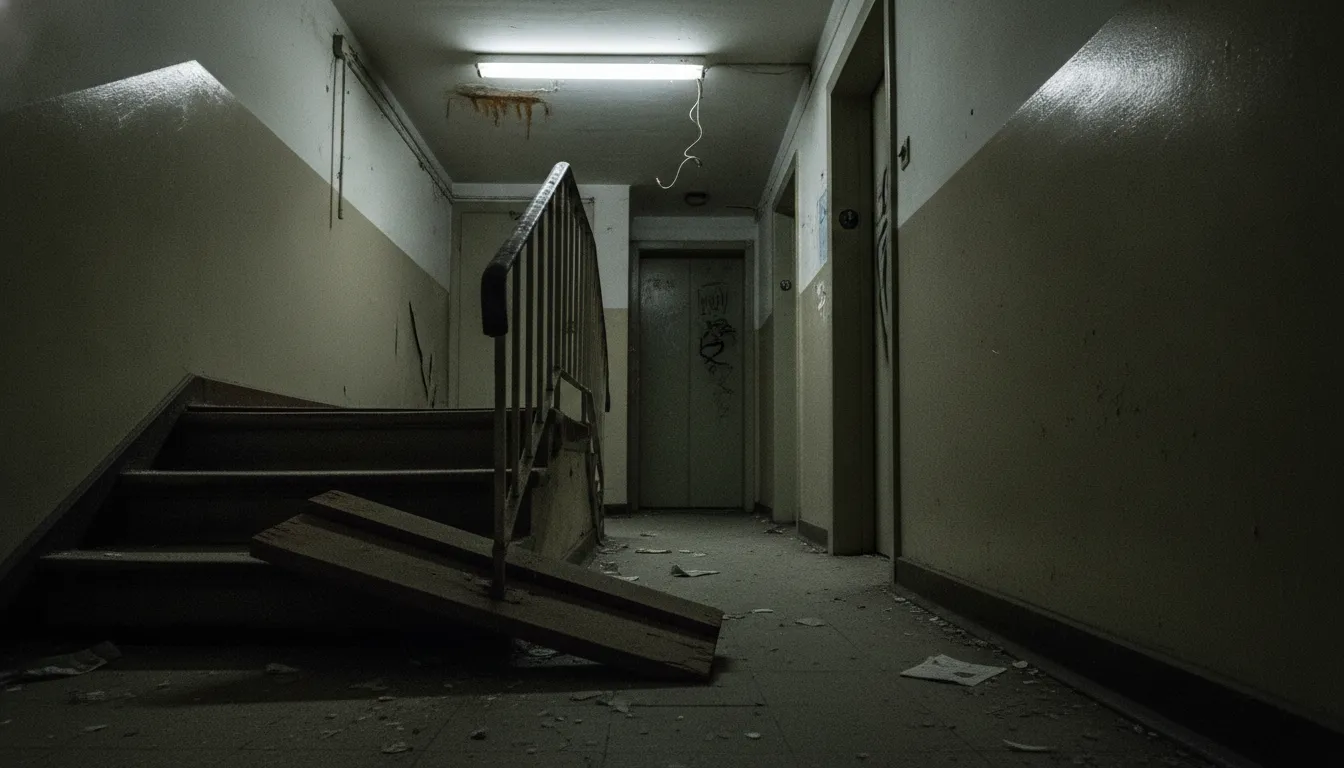
A slip and fall can leave you managing pain, medical bills, and questions about whether a property owner should have prevented the hazard. In Michigan, these cases often turn on details that disappear quickly: what caused the fall. Who controlled the property, and whether the owner knew or should have known about the dangerous condition.
The best lawyer for slip and fall cases will have specific premises liability experience. Investigate the scene and available records, explain Michigan law clearly, and remain directly involved in your case. Ask about experience with similar claims, communication, fees, and how the attorney evaluates notice and comparative fault.
Call 248-599-1607 to schedule a free consultation
- Report the incident and seek medical care.
- Photograph the condition, location, and your injuries if possible.
- Keep records and avoid accepting an insurance offer before receiving legal advice.
The right fit is not determined by advertising alone. It comes from careful investigation, candid guidance, and a legal team that understands how the facts and Michigan rules work together.
What Sets a Great Slip and Fall Lawyer Apart in Michigan
A strong premises liability attorney does more than review an accident report and send a demand letter. Michigan slip and fall claims are fact-specific. The legal analysis can turn on the condition that caused the fall, how long it existed. What the property owner knew or should have known, and how the injury affects the person’s life. An attorney should be prepared to investigate those details rather than rely on a generic case formula.
Start with specific premises liability experience. A lawyer who regularly handles slip and fall claims is more familiar with the evidence these cases may require. Including photographs, incident reports, inspection and maintenance records, witness accounts, medical documentation, and testimony about the property’s condition. Michigan premises liability law also continues to develop. For example, the Michigan Supreme Court’s discussion of the open and obvious doctrine in Kandil-Elsayed v. F&E Oil, Inc. illustrates why current legal analysis matters.
Experience with insurers and Michigan litigation
Insurance-defense insight can be valuable when an insurer evaluates a claim. An attorney who understands defense strategies may better anticipate arguments about notice, comparative fault, the condition of the premises, or the extent of an injury. That perspective does not guarantee a particular settlement or verdict. It can, however, help counsel assess the available evidence and explain the strengths and limitations of a claim clearly.
Extensive Michigan litigation experience is another important qualification. A lawyer should understand how premises liability disputes are handled in Michigan courts, not simply advertise personal injury services across many practice areas. Ask whether the attorney has experience developing a case when the insurer will not agree with the injured person’s position. And whether the firm has the resources to handle complex discovery, expert testimony, and motion practice when appropriate.
That experience matters even when an injury initially appears minor. A fall can result in a fracture, head injury, spinal injury, or lasting limitations. The right attorney should be able to evaluate catastrophic injury matters and coordinate the investigation and documentation those claims may require. Without assuming the outcome before the facts are known.
Direct attention and clear communication
Clients should also ask who will actually handle the case. A client-first firm provides direct attorney involvement instead of treating an injured person like a case number. You should know who is responsible for important decisions, how often updates will be provided, and how questions will be answered. Clear communication is especially important when medical bills, lost income, insurance requests, and uncertainty about the next step are already adding stress.
At Atnip & Associates, the approach is grounded in compassionate, personalized advocacy for people and families across Michigan. For others, it’s just another case. For us, it’s personal. That philosophy means evaluating the individual circumstances of a fall, explaining the available options honestly, and focusing on the client’s physical and financial recovery without promising a result.
When comparing lawyers, look beyond advertisements and ask about qualifications, communication style, premises liability experience, insurance knowledge, and firm philosophy. Those answers can help you decide whether the attorney is equipped to give your claim the careful attention it deserves.
How to Choose the Best Lawyer for Slip and Fall Injuries in Michigan
Choosing a lawyer after a fall is not only about finding a familiar name or responding to the first advertisement you see. The right attorney should understand Michigan premises liability law, investigate the condition that caused your fall, and explain your options in language you can use. A thoughtful selection process can help you find representation that fits the facts of your injury and the level of support you need.
Use this checklist when speaking with potential attorneys:
- Look for premises liability experience. Ask how often the lawyer handles slip-and-fall and other premises liability claims. These cases can turn on details such as the type of hazard, how long it existed. Who knew about it, and whether the property owner had a reasonable opportunity to correct it. An experienced attorney should be prepared to investigate the premises and the circumstances of the fall rather than rely on generic advice.
- Ask who will handle your case. Find out whether you will communicate directly with the attorney or primarily with a paralegal, intake team, or junior staff member. Direct attorney involvement can matter when the facts are disputed, an insurer makes an early offer, or the injuries are more serious than they first appeared. A smaller, client-focused firm may offer more personal attention than a high-volume operation.
- Confirm the fee arrangement in writing. Many personal injury firms work on a contingency-fee basis. Ask what “no fee unless we win” means in your agreement. Including how case expenses are handled and whether any fees are owed if the claim does not succeed. You should be comfortable with the financial terms before representation begins.
- Verify Michigan court and litigation experience. Settlement discussions are part of many claims, but your lawyer should also be ready to litigate when appropriate. Ask about experience in Michigan courts and how the firm evaluates evidence, notice, comparative fault, and the property owner’s defenses. Experience with insurance-defense strategies can also help an attorney anticipate arguments made by the insurer.
- Evaluate communication before you hire. Ask how often you can expect updates, who will answer questions, and how urgent decisions will be explained. Clear communication is especially important when you are managing medical treatment, missed work, expenses, or uncertainty about your recovery. The lawyer should be willing to discuss both strengths and challenges in your claim without promising a particular result.
Questions to bring to your consultation
Bring photographs, incident reports, contact information for witnesses, medical records, and insurance correspondence if you have them. Then ask what evidence the lawyer would seek next, including surveillance video, maintenance records, inspection logs, or notice of prior hazards. You can also ask whether the firm has handled injuries similar to yours and how it would respond if an insurer pressures you to accept an early settlement. It is generally wise to consult a qualified personal injury attorney before accepting an offer.
For more practical guidance, review how to choose a personal injury lawyer. The best fit is the attorney who combines relevant Michigan experience with honest advice, accessible communication, and a clear commitment to your case. At Atnip & Associates, the goal is personalized advocacy and direct attention, because for others, it is just another case. For us, it is personal.
What You Must Prove in a Michigan Premises Liability Case
A Michigan slip-and-fall claim is fact-specific. The central question is not simply whether you were injured on someone else’s property. You generally must connect the injury to a dangerous condition and show why the property owner should be legally responsible for that condition.
A duty of care and a dangerous condition
The first part of the analysis concerns the property owner’s duty. Michigan property owners generally have a duty to keep premises reasonably safe for invitees, such as customers, guests, or other people invited onto the property. That duty includes addressing conditions that create an unreasonable risk of harm. The precise duty can depend on why you were on the property and the relationship between you and the person or business in control of it.
The next question is whether a dangerous condition existed. Common examples include spills, greasy floors, ice, snow, rain, loose mats, rugs, clutter, cords, and other obstructions. The CDC’s National Institute for Occupational Safety and Health identifies these conditions as common causes of slips, trips, and falls. A photograph, incident report, witness account, video recording, or inspection record may help show what the condition looked like and how it caused your fall. Read more about Michigan premises liability laws and the responsibilities they may impose on property owners.
Actual or constructive notice
Proving that a hazard existed is not always enough. You also may need to establish that the owner or occupier had actual or constructive notice of it and failed to correct it or provide a reasonable warning. Actual notice means someone responsible for the property knew about the condition. For example, an employee might receive a complaint about a spill or see ice accumulating near an entrance.
Constructive notice means the condition existed long enough, or was visible enough, that the owner should have discovered it through reasonable inspection and maintenance. This is often where evidence becomes important. The timing of a spill, surveillance footage, cleaning schedules, weather records, maintenance logs, prior complaints, and testimony from employees or witnesses can all affect the analysis. Michigan premises liability cases can turn on small details, including where the hazard was located, how long it may have existed, and whether routine inspections were performed.
Open and obvious conditions and your own conduct
Michigan law regarding the open and obvious doctrine has evolved. In Kandil-Elsayed v. Fandrei, the Michigan Supreme Court addressed premises liability, the open-and-obvious doctrine, and the role of comparative negligence. That means a property owner may raise arguments about whether a condition should have been noticed. But the issue should not be treated as an automatic answer without examining the full circumstances.
Michigan’s comparative negligence framework also considers the injured person’s conduct. If a fact finder determines that you contributed to the accident, your recovery may be reduced by your percentage of fault. That does not necessarily end the claim. The relevant questions may include what you could see, whether lighting or distractions affected visibility. What warnings were provided, and whether the owner had a reasonable opportunity to correct the hazard.
Because these cases depend on evidence and legal context, a careful review should happen before you respond to an insurer or accept an early offer. A premises liability attorney can investigate the condition, preserve records, evaluate notice, and explain how the facts may affect your claim without promising a particular result.
Who Is Liable for a Slip and Fall on Someone Else’s Property?
Liability depends on the property, the hazard, who controlled the area, and what the responsible party knew or reasonably should have known. Michigan premises liability cases are fact-specific. An injured visitor generally must connect a dangerous condition to the property owner’s failure to address it. While the owner may argue that the condition was temporary, unknown, or caused in another way. Evidence such as photographs, incident reports, surveillance footage, maintenance records, and witness statements can help clarify what happened.
Commercial businesses and icy walkways
A store, restaurant, office, or other commercial property may face a claim when an unsafe condition on its premises causes an injury. In winter, that can include accumulated ice or snow on an entrance, sidewalk, loading area, or other route customers are expected to use. The analysis may include whether the business had a reasonable system for inspecting, salting, shoveling. Or otherwise addressing winter hazards, and whether the condition existed long enough for the business to discover it.
The CDC identifies ice, snow, rain, spills, greasy floors, and loose mats as common slip, trip, and fall hazards. That does not decide a Michigan claim by itself, but it helps explain why inspection and walkway maintenance matter. If you were hurt in a store or other business, our guide to a slip and fall at a business discusses questions that may affect responsibility.
Apartment and rental properties
Rental-property cases often require a closer look at the location of the fall and the obligations assigned to the landlord, property manager, tenant, or maintenance contractor. Landlords may have responsibilities for common areas such as entrances, hallways, stairways, sidewalks, and shared parking areas. A failure to maintain or repair a known dangerous condition in one of those areas may support a claim, although the specific facts and lease terms still matter.
Tenants and visitors should preserve any notice they gave about the hazard, along with maintenance requests, photographs, and communications with management. A premises liability lawyer for rental injuries can investigate whether the landlord or another party controlled the area and whether records show notice of the condition.
Parking lots and shared areas
Parking-lot falls can involve a business owner, shopping-center owner, landlord, property manager, snow-removal company, or another party with control over maintenance. Responsibility may turn on contracts, inspection practices, the precise location of the hazard, and whether the party had actual or constructive notice. A parking lot may also be shared by multiple businesses, which can make identifying the proper defendant more complicated.
Because maintenance and safety records can be important, prompt investigation matters. Our guide to premises liability claims in parking lots explains additional issues that can arise. A Michigan attorney can assess the evidence, account for arguments about your own conduct, and identify which parties may have had responsibility for the condition. No single label determines liability, so a careful review is more useful than relying on a general assumption about who owns the property.
What Should You Ask a Slip and Fall Lawyer Before Hiring?
A consultation should help you understand both the legal issues and the working relationship you can expect. Bring questions, describe what happened as accurately as possible, and pay attention to whether the attorney explains uncertainties instead of promising a particular result. A Michigan slip-and-fall claim may depend on the condition that caused the fall, who controlled the property, and whether the owner had actual or constructive notice. The right questions can reveal whether a lawyer has the experience and approach your circumstances require.
- How many premises liability and slip-and-fall cases have you handled?
Ask about experience with cases involving businesses, apartments, parking lots, ice, snow, spills, or other hazards similar to yours. General personal injury experience can be useful, but premises liability has distinct notice, condition, and property-control issues. An attorney should be able to describe relevant experience without implying that past results guarantee yours.
- Who will actually work on my case?
Find out whether you will communicate directly with an attorney and who will investigate the scene, gather records, communicate with insurers, and prepare legal filings. Direct attorney involvement may be especially important when the facts are disputed or your injuries are serious. You should know who is responsible for your matter, how often you can expect updates, and how to reach the team with urgent questions.
- How will you investigate the property and prove notice?
Ask what evidence the firm will seek, such as incident reports, photographs, surveillance footage, maintenance records, witness information, and medical documentation. In Michigan, a claim often turns on whether the property owner knew or should have known about the dangerous condition and failed to address it. The attorney should explain how those facts would be evaluated in your case, rather than assuming liability from the fall alone. You can also review the firm’s Michigan premises liability guide before or after the consultation.
- Do you have insurance-defense insight?
Ask how the lawyer approaches arguments an insurer or property owner may raise, including disputes about notice, visibility, causation, or your own conduct. Experience with insurance-defense strategies can help an attorney anticipate those positions and explain how they may affect negotiations and litigation. It does not eliminate uncertainty, but it can support a more informed evaluation of the evidence.
- How are your fees structured?
Confirm whether the representation uses a contingency fee and what the phrase “no fee unless we win” means under the proposed agreement. Ask about case expenses, liens, and any costs that could arise. A reputable attorney should explain the written fee agreement in plain language before you decide whether to hire the firm. Do not hesitate to ask for clarification about anything you do not understand.
- What is your experience in Michigan courts?
Ask whether the attorney has handled premises liability disputes through the Michigan court system and is prepared to litigate when appropriate. Extensive Michigan litigation experience matters because a case may involve motion practice, discovery, depositions, expert testimony, or a trial, even if resolution is later pursued through negotiation. Ask what factors would guide the strategy in your specific circumstances.
- How would you respond to a premature low settlement offer?
Ask whether the firm will review an insurer’s offer before you accept it and explain what information may still be missing. You should not feel pressured to settle before the extent of your injuries, medical treatment, evidence, and legal claims are reasonably evaluated. A qualified personal injury attorney can help you understand the risks and options, but no lawyer can promise a particular settlement or outcome.
Finally, consider whether the attorney listens carefully, answers directly, and treats you as an individual rather than a case number. Those qualities, together with relevant experience and transparent communication, are more meaningful than advertising alone when choosing representation.
Common Causes of Slip and Fall Accidents in Michigan
Slip-and-fall accidents often begin with an ordinary condition that becomes dangerous when it is ignored, poorly marked, or left in a walking path. Spills, wet floors, ice, snow, uneven surfaces, loose rugs, dim lighting, and clutter can all interfere with a person’s footing or ability to see a hazard. The CDC identifies spills, greasy floors, ice, snow, rain, and loose mats or rugs as common causes of slips. Trips, and falls, and recommends keeping walking areas clear and well maintained.
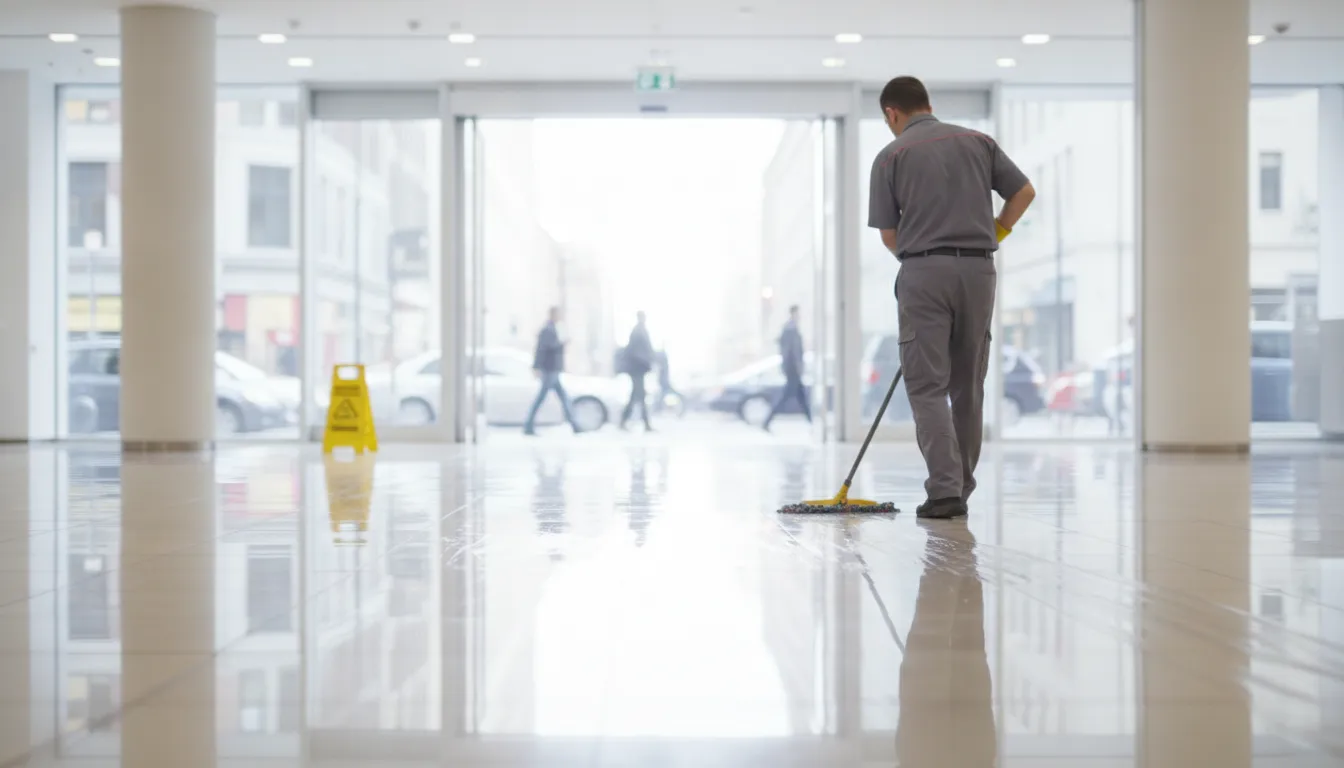
In Michigan, the hazard itself is only part of the legal analysis. A premises liability claim may also depend on what the property owner or occupier knew, or reasonably should have known. About the condition and whether there was a reasonable opportunity to correct it or warn visitors. Evidence such as photographs, incident reports, inspection records, witness accounts, and medical records can help preserve the details of what happened.
| Common hazard | Safety responsibility | Possible injuries |
|---|---|---|
| Spills, greasy floors, and wet entryways | Clean the area promptly, use appropriate warning signs, and maintain reasonable inspection practices. | Sprains, bruises, fractures, or head injuries |
| Ice, snow, and rain | Clear accumulated precipitation when required, address slippery walking routes, and provide warnings where conditions remain hazardous. | Broken bones, back injuries, or traumatic head injuries |
| Uneven pavement, flooring, or thresholds | Repair or clearly identify changes in elevation and maintain walkways in reasonably safe condition. | Twisted ankles, falls, fractures, or spinal injuries |
| Loose mats, rugs, and floor coverings | Secure mats so they do not slide, curl, or create an unexpected edge in a walking path. | Trips, sprains, bruises, and cuts |
| Poor lighting | Keep stairs, entrances, hallways, and other walking areas adequately illuminated so hazards can be seen. | Falls involving fractures, bruises, or head injuries |
| Clutter, cords, wires, and debris | Keep walkways, stairs, and lobbies clear of items that create tripping risks, including cords, boxes, and other debris. | Sprains, bruises, fractures, scratches, or cuts |
Winter conditions deserve particular attention because a business entrance, sidewalk, parking area, or apartment common area may change throughout the day. A property owner may need to account for recurring ice, tracked-in moisture, or drainage problems rather than treating each condition as an isolated event. The same principle applies indoors, where a newly created spill or displaced mat can become dangerous if inspections and cleanup are not handled appropriately.
Even when a hazard appears easy to notice after the fall, the surrounding facts matter. Lighting, visibility, footwear, weather, warning signs, the length of time the condition existed, and the property’s inspection routine may all affect how the incident is evaluated. Because slip-and-fall injuries can include fractures, sprains, bruises, and head injuries, prompt medical care and careful documentation are important. A Michigan premises liability attorney can review the specific condition, the available evidence, and the property’s responsibilities without assuming that every fall presents the same claim.
Call 248-599-1607 to schedule a free consultation A free consultation can help you understand your options and what to do next.
Frequently Asked Questions
What should I look for in a slip and fall lawyer?
Look for specific premises liability experience, a history of handling cases with injuries similar to yours. And a clear explanation of how the attorney investigates dangerous conditions, notice, medical records, and insurance issues. Ask who will handle your case day to day and whether the lawyer will remain directly involved. Transparent communication and a contingency fee arrangement, such as no fee unless we win, should also be explained before you hire anyone. Learn more about choosing an accident lawyer.
How do I prove a slip and fall case in Michigan?
You generally need evidence that a dangerous condition existed, caused your fall. And that the property owner had actual or constructive notice of it or failed to address it. Photos, incident reports, witness information, surveillance footage, maintenance records, and prompt medical documentation may help establish what happened. Michigan premises liability claims are fact-specific, so an attorney should evaluate the condition and the owner’s knowledge rather than assume the case is straightforward. Review Michigan premises liability rules.
Can I sue for a slip and fall on someone else’s property?
Possibly. The responsible party may be a business, landlord, property manager, or another person who controlled the area. Depending on where the fall occurred and who had responsibility for the condition. Ice, wet floors, poor maintenance, and hazards in apartment common areas can require different evidence. Comparative negligence may also affect a claim if your own conduct is considered a contributing factor. A case review can identify which parties and insurance policies should be investigated.
How long do I have to file a slip and fall claim in Michigan?
Michigan deadlines depend on the claim, the defendant, and the circumstances of the injury. The general personal injury statute of limitations may not apply in the same way to claims involving governmental entities, minors, or other special circumstances. Because missing a deadline can end a claim, preserve evidence and speak with a Michigan premises liability lawyer promptly rather than relying on a general timeline.
Ready to Discuss Your Slip and Fall Case?
Choosing the right lawyer can help you understand your options, protect important evidence, and approach your claim with greater confidence. Atnip & Associates provides personal attention to injured people and families throughout Michigan. Call 248-599-1607 to schedule a free consultation You can discuss what happened, ask questions about your potential premises liability claim, and learn whether our team is the right fit for your needs. There is no fee unless we win.