Category: Wrongful Death

When someone dies because another person or company may have acted wrongfully, a family may face grief and urgent decisions at once. In Oakland County, those decisions can involve medical and funeral records, insurance communications, estate administration, and preserving evidence before details disappear.

Call 248-599-1607 to schedule a free consultation and take the first step toward understanding your options.

A wrongful death attorney Oakland County families consult can explain how Michigan’s wrongful death process generally works. Identify who may be entitled to damages, help preserve evidence, and evaluate possible claims. Michigan law requires the action to be brought by the deceased person’s personal representative, but eligible survivors may have rights to damages. Deadlines and exceptions depend on the facts, so early case-specific guidance matters.

  • Identify the personal representative and potential beneficiaries.
  • Preserve accident, medical, employment, and financial records.
  • Review insurance communications before making statements or accepting an offer.
  • Discuss timing, damages, and estate-related requirements with qualified counsel.

This article offers general information, not legal advice for a particular family. The sections below explain the legal framework and the practical questions an Oakland County family may want to raise during an initial consultation.

What Is a Wrongful Death Claim in Michigan?

Michigan’s wrongful death statute addresses a death caused by the wrongful act, neglect. Or fault of another when the conduct would have supported a civil action if the person had survived. In practical terms, the question is not simply whether a death was tragic. The claim generally requires an underlying basis for civil liability, such as negligence or another legally recognized wrong, and damages suffered by people the statute identifies.

Michigan law also provides that the person or corporation that would have been liable if death had not occurred may remain liable for an action for damages. That framework can apply across different settings, including a motor vehicle crash, a workplace incident, a dangerous property condition, or a professional-liability dispute. The legal theory and proof will depend on the specific facts.

A wrongful death claim is different from the probate process, although the two can overlap. The estate’s personal representative brings the civil action, while the estate and eligible survivors may have interests in the recovery. The case may require coordination among the representative, family members, insurers, investigators, and counsel. A family does not need to resolve every legal question before asking for help.

For an Oakland County family, early questions may include:

  • What event caused the death, and what evidence still exists?
  • Who had a legal duty to the deceased, and what conduct may have breached it?
  • What losses did surviving family members experience?
  • Is an estate already open, and who is serving as personal representative?

Because these cases can involve disputed facts and substantial emotional and financial consequences, a family should avoid treating a general online explanation as a case determination. The personal injury practice areas available through Atnip & Associates provide a starting point for understanding the types of serious injury matters the firm evaluates. The governing statute should also be reviewed with an attorney who can apply it to the family’s circumstances.

For others, it may be just another case. For a grieving family, it is a life-changing loss. A careful legal evaluation should address both the proof and the people affected.

Read Michigan’s wrongful death statute for the statutory language.

Who Can File a Wrongful Death Claim in Michigan?

Under Michigan law, the wrongful death action is brought by and in the name of the personal representative of the deceased person’s estate. This does not mean the personal representative is the only person whose losses matter. The statute identifies people who may be entitled to damages if they suffer damages and survive the deceased.

Potentially eligible people can include a surviving spouse, children, descendants, parents, grandparents, brothers, and sisters. If none of those relatives survive, the statute also addresses people to whom the estate would pass under intestate succession. Eligibility is not automatic. The relationship, the person’s losses, and the facts of the estate can affect the analysis.

The personal representative has an important administrative role. Michigan law requires notice to people who may be entitled to damages. The statute states that, within 30 days after an action begins. The personal representative must serve a copy of the complaint and notice in the manner required by law. It also addresses the information that may need to be provided to the attorney for the personal representative after notice is mailed.

Families often find this structure confusing because the person filing the lawsuit and the people who may share in damages are not necessarily the same. A consultation can help clarify the difference between:

  • The estate and its personal representative.
  • Family members or other people who may have legally recognized losses.
  • The procedure for notice and participation.
  • The rules that may govern approval and distribution of proceeds.

Do not assume that an informal family agreement answers the legal question. A probate filing, will, family relationship, or disputed appointment may affect who can act for the estate. A family can review who can file a wrongful death claim for a broader Michigan explanation, then bring its specific questions to counsel.

The right next step may be to gather the death certificate, estate documents, family information, and communications received from insurers. Those materials do not decide eligibility by themselves, but they can help an attorney understand the family structure and identify issues that need prompt attention.

Review the Michigan statute’s beneficiary and notice provisions with qualified counsel.

What Damages May Be Available After a Fatal Injury?

Damages in a Michigan wrongful death case are tied to the losses supported by the evidence and the people who are legally entitled to recover. A family may be thinking about immediate bills, but the analysis can extend to the economic and personal contributions the deceased made over time. The amount and availability of any damages are case-specific and cannot be predicted from a general list.

Depending on the circumstances, the evaluation may address funeral and burial expenses, loss of financial support. Loss of future income, loss of companionship, and the value of household services or guidance. The evidence may include employment and income records, tax documents, medical records, household information, and testimony from people who understood the family’s relationship. Some losses are easier to document than others, but each should be considered carefully.

Michigan law also connects a wrongful death recovery to estate and probate procedures. The personal representative may need to provide notice to potential beneficiaries, and distribution of proceeds can be governed by court approval and estate rules. This means a settlement discussion is not always the end of the legal work. The family may need guidance about documentation, allocation, approval, and distribution before it can make an informed decision.

Families can learn more from Atnip’s guide to wrongful death damages. That resource covers the subject from a broader Michigan perspective. This Oakland County guide is intentionally focused on the local attorney-intent question: how to identify the issues. Gather information, and find counsel who can explain what may apply to one family’s loss.

Useful questions for an initial review include:

  • What expenses arose because of the death?
  • What financial support or services did the deceased provide?
  • How did the loss affect the surviving spouse, children, or other eligible relatives?
  • What documents support each category of loss?
  • How might estate and probate requirements affect a recovery?
Loss area. Records to review.
Immediate expenses. Funeral and burial bills.
Financial support. Income, benefits, and household contributions.
Personal losses. Companionship and family evidence.
Estate process. Probate, notice, approval, and distribution records.

A family should be cautious about focusing on a single number before the facts are developed. A responsible attorney should explain what is known, what remains uncertain, and how the evidence may affect the analysis. No result is guaranteed, and past verdicts or settlements cannot predict the outcome of a new case.

For background on how a case may fit within the firm’s work, see Atnip’s overview of catastrophic injury claims. A fatal loss can create needs that are both legal and deeply personal, and families deserve an explanation they can understand.

What Evidence Can Support a Wrongful Death Case?

Evidence helps connect the event, the responsible conduct, and the losses that followed. In a fatal-injury case, important information may be spread across emergency records, photographs, video, witness accounts, employment files, insurance communications, and estate documents. Some evidence can disappear quickly. Vehicles may be repaired, a scene may change, digital footage may be overwritten, and witnesses’ memories may fade.

That is why early legal guidance can be useful even when a family is not ready to decide whether to file a lawsuit. Counsel can help identify preservation steps, communicate with insurers, request records, and coordinate an investigation. The goal is not to force a family into litigation. It is to protect the ability to make an informed decision later.

Depending on the case, an attorney may examine:

  • Police, crash, incident, or workplace reports.
  • Photographs, video, vehicle data, physical evidence, and scene conditions.
  • Medical, emergency, autopsy, and death records.
  • Witness names, statements, messages, and other communications.
  • Employment, income, benefits, and household-support information.
  • Insurance policies, claim letters, recorded statements, and settlement proposals.
  • Estate, probate, and family documents relevant to the claim.
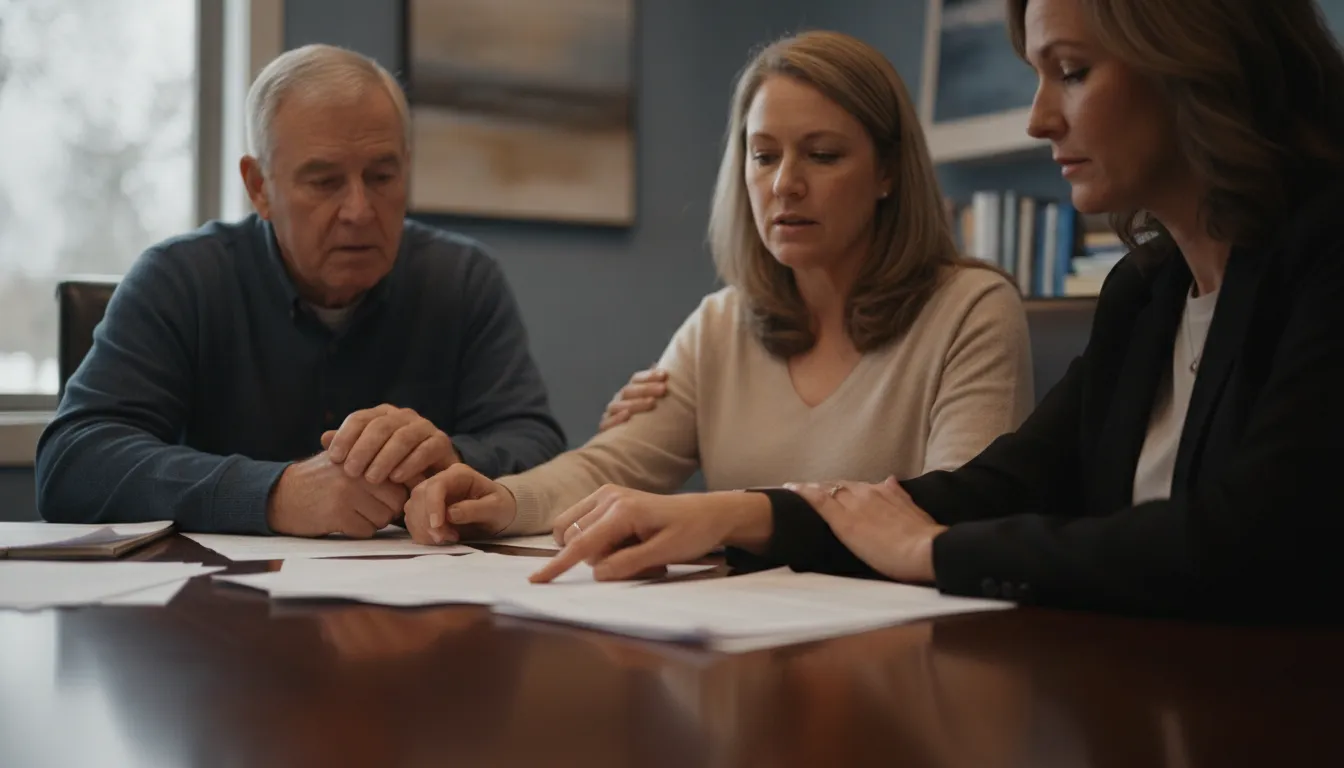
Attorney and Oakland County family reviewing wrongful death case evidence
Organizing records early can help a family and its attorney identify questions that need attention.

A family should preserve original files when possible and keep copies of letters, emails, photographs, and bills in one secure location. Do not delete messages or edit photographs. Avoid posting detailed accounts of the incident on social media, and consider speaking with counsel before providing a recorded statement or signing a release. These are practical precautions, not a conclusion that a claim will succeed.

Local details can matter, but the legal test comes from Michigan law. A family may find related Oakland County accident guidance helpful when the death followed a motorcycle crash. The specific cause of death, available records, and potential defendants should guide the investigation.

How Long Do You Have to File in Michigan?

Timing is one of the first issues a family should discuss with a Michigan attorney. The general limitations rule for an action seeking damages for a person’s death or injury is typically three years after the time of death or injury. Exceptions and other rules may affect a particular case. A family should not treat three years as a universal answer or wait until the deadline is close to seek advice.

The date that starts a limitations period, the legal theory, the identity of the defendant, the type of claim, and other facts can change the analysis. Notice requirements, estate administration, and evidence preservation may also create practical urgency before a filing deadline. If a government entity, medical provider, employer, or other specialized defendant may be involved, additional rules may apply.

For a deeper discussion, review Atnip’s guide to Michigan wrongful death deadlines. The most important point is not to rely on a calendar estimate from an online article. A lawyer needs to examine the death certificate, incident date, records, insurance communications, estate status, and possible defendants before giving case-specific advice.

Early action can help a family:

  1. Record the key dates and preserve related documents.
  2. Identify the estate’s personal representative.
  3. Protect physical and digital evidence.
  4. Understand whether notice or special procedures may apply.
  5. Evaluate possible claims before options narrow.

The Michigan Legislature’s limitations statute contains the general three-year language, but statutory text is not a substitute for legal advice. A missed deadline can materially affect a family’s rights, while an early consultation can clarify which questions require immediate attention.

Families should also remember that contacting an attorney does not require them to commit to a lawsuit. It is an opportunity to understand the process, preserve information, and make decisions with better information. If the loss occurred in Oakland County, a local attorney may be able to discuss the relevant facts and venue considerations while applying Michigan law.

How Can an Oakland County Wrongful Death Attorney Help?

A wrongful death attorney’s role is not limited to filing paperwork. For an Oakland County family, counsel may help organize the facts, explain Michigan’s process. Identify the personal representative and potential beneficiaries, preserve evidence, communicate with insurers, and evaluate the losses connected to the death. The right scope of help depends on the family’s needs and the facts of the case.

Families may want to ask how an attorney approaches:

  • Investigation and preservation of evidence.
  • Liability analysis and possible defenses.
  • Insurance coverage and communications.
  • Economic and personal losses.
  • Probate, notice, settlement approval, and distribution issues.
  • Communication with the personal representative and eligible survivors.

Experience with insurance defense can help an attorney anticipate how an insurer or defense team may examine a claim. Atnip & Associates’ materials identify insurance-defense backgrounds as part of the firm’s perspective. That experience does not guarantee a result, but it can inform preparation and help a family understand questions that may arise in negotiations or litigation.

The firm describes its approach as boutique and personalized, with direct attorney involvement rather than treating clients as case numbers. Atnip’s materials also state that the firm uses a contingency-fee model with no fee unless the firm wins, and that it assumes certain case-development costs. Families should ask for the written fee agreement and a clear explanation of costs, expenses, and what happens in different outcomes.

When comparing counsel, consider whether the attorney:

  • Has experience with serious injury and wrongful death litigation.
  • Explains uncertainty instead of promising a recovery.
  • Can describe who will handle communication and important decisions.
  • Will address both civil-claim and estate-related questions.
  • Provides a clear plan for the next investigative steps.

Oakland County is within Atnip & Associates’ stated Michigan service region. Families can review the firm’s related fatal accident legal guidance and past verdicts and settlements as background, while remembering that prior matters do not predict a new case. A consultation should remain focused on the family’s own facts, goals, and questions.

For others, it’s just another case. For us, it’s personal. That principle should show up in careful listening, transparent advice, and respect for the family’s decisions at every stage.

Call 248-599-1607 to schedule a free consultation before you make decisions about a potential claim.

Frequently Asked Questions

Who can file a wrongful death lawsuit in Michigan?

The personal representative of the deceased person’s estate generally brings the action in the estate’s name. The people who may be entitled to damages can include certain surviving family members and, in some situations, heirs identified by Michigan law. An attorney can review the estate status, family relationships, and losses before giving a case-specific answer.

What is the statute of limitations for wrongful death in Michigan?

The general limitations period is typically three years after the time of death or injury, but exceptions and specialized rules may apply. The correct deadline depends on the facts, the legal theory, and the potential defendant. A family should seek advice promptly rather than relying on the general period alone.

What damages can be recovered in a wrongful death claim?

Potential damages may include funeral expenses, lost financial support or future income, loss of companionship, and other losses supported by the evidence and allowed by law. Household contributions and estate-related issues may also matter. The available categories and amount cannot be determined without reviewing the facts.

How does a wrongful death attorney help families in Oakland County?

An attorney may investigate the event, preserve evidence, explain liability and timing, communicate with insurers, evaluate losses, and guide the personal representative through notice and estate-related requirements. Counsel can also explain uncertainty and options without promising a particular result.

Discuss Your Family’s Options With Atnip & Associates

A fatal loss can leave a family unsure where to begin. You do not have to answer every question before seeking information. An initial conversation can help you understand the general process, identify documents to preserve, and determine which timing, estate, insurance, and evidence issues may require attention.

Atnip & Associates, PLLC represents Michigan families in serious personal injury and wrongful death matters with a compassionate, personalized approach. The firm’s stated position is simple: For others, it’s just another case. For us, it’s personal. Any evaluation remains dependent on the facts, applicable law, and the evidence available.

Call 248-599-1607 to schedule a free consultation. The firm states that it handles cases on a no-fee-unless-we-win contingency basis. Ask about the written fee agreement and any case-related expenses so you can make an informed decision.


Losing a family member to someone else’s mistake creates a heavy burden of grief and financial stress. This loss changes your life forever and often leaves you with many legal and money questions. You need to know how the law provides for your family during this difficult time.

Call Atnip & Associates at 248-599-1607 for a free consultation about your family’s wrongful death case.

Michigan wrongful death damages are the financial awards a family can receive after losing a loved one due to someone else’s negligence or fault. These damages help survivors cover the costs of the accident and the long-term impact of the loss. Families can often recover money for funeral and burial costs, medical bills, and lost financial support. This includes the income the deceased would have provided for the family over time. Michigan law also allows for payment for the loss of society and companionship, which covers the love and emotional bond between family members. According to the Michigan Legislature, these claims must be brought by the estate’s personal representative. They act on behalf of the surviving spouse, children, and other close relatives.

Knowing what you can claim is a key part of your journey toward justice. It helps you see how the law works to protect your family’s rights and future. The list below has Michigan wrongful death damages explained to help you find answers. Here’s how:

Michigan wrongful death damages explained

When a loved one dies because of someone else’s fault, Michigan law lets families seek justice. Michigan wrongful death damages are the legal payments made to the survivors or the estate. This process combines several types of losses into one single lawsuit. It covers the harm the person felt before they died and the loss the family feels now. The law aims to help survivors move forward by covering their costs and emotional pain.

The fair and equitable standard

Michigan courts use a “fair and equitable” standard to choose how much money a family should get. This means the judge or jury looks at the facts of each case to find a fair amount. Under MCL 600.2922, the goal is to award damages that truly match the loss. This can include costs like hospital bills and funeral fees. It also covers the loss of financial support the person would have given over their lifetime.

Families can also seek payment for “loss of society and companionship.” This accounts for the loss of love, care, and the bond you shared. Since these human losses do not have a set price, the court must weigh the proof with care. A who can file a wrongful death claim guide can help you see if you are able to seek these damages. The personal representative of the estate is the person who must start the legal action.

Civil claims vs criminal cases

A civil claim for damages is not the same as a criminal case. You can file a lawsuit even if the person at fault is not charged with a crime. Under Michigan law, a person or firm can be held liable even if the act was a felony. The burden of proof is lower in a civil case than in a criminal trial. This means you only need to show it is more likely than not that the other party caused the harm. This lets families seek justice even when the police do not take action.

Winning a civil case does not lead to jail time for the other party. Instead, the court orders them to pay money to the estate. This helps families cover the high costs that often follow a tragic death. Many firms, such as Atnip & Associates, work on a contingency fee basis. This means there is no fee unless you win your case. This “no fee unless we win” model makes it easier for families to get the legal help they need.

To ensure a fair result, the court must approve all wrongful death settlements. This step protects the rights of everyone involved. It ensures that the money is split fairly among the people who suffered the most. The court looks at how each person was related to the deceased and what they lost. If you have questions, you can schedule a free meeting with a lawyer to review your case.

What types of compensation may be available?

Michigan law says a wrongful death claim is one single legal case. It brings together the losses of the person who died and the losses of their family. Under the state statute, the person in charge of the estate starts this case. This person acts for all the family members who suffered from the loss. Families often have many questions about michigan wrongful death damages. If a wrongful act or neglect caused the death, a wrongful death attorney can help you seek funds.

Economic losses and bills

Economic damages are costs you can measure with a bill or a receipt. These costs start from the moment of the injury. They include all the medical care the person got before they passed away. These bills can be very high for families. You may also get money for the cost of the funeral and the burial. These funds help the family handle the final costs of saying goodbye.

Loss of financial support is also part of a claim. If your loved one brought home a paycheck, that money is now gone. The law allows you to ask for the money they would have earned if they had lived. This is vital for a spouse or children who need help to pay for a home and food. To see who can get these funds, you can learn who can file a wrongful death claim in our guide.

Human losses and society

Not all losses are about bills. Michigan law also looks at the human side of a tragic death. Loss of society and companionship is a major part of these claims. This covers the loss of love, help, and friendship. It is meant to pay for the way the family has changed. This type of loss is personal and deep. It can include the loss of a parent’s guidance or a spouse’s care. Love and affection are human needs that the law seeks to protect.

The law also covers the pain the person felt before they died. This is called conscious pain and suffering. If the person was aware and in pain for any time after the injury, the estate can seek pay for it. This helps honor the hard path they faced at the end of their life. It is a key way the law tries to hold the other party to blame for the harm they caused.

Evidence and proof for claims

To get these funds, you must have clear proof of your losses. Each type of damage needs different records to show what happened. For medical and funeral costs, bills and receipts are usually enough. For lost pay, you will need to show how much the person earned. For the loss of a relationship, you may need to share stories and photos of your life together. This helps the court see the true impact of the loss.

Category What It Covers Typical Proof
Medical Costs Bills for care after the injury. Doctor and hospital bills.
Funeral Costs Burial and service fees. Receipts from the funeral home.
Lost Income Pay the person would have earned. Tax forms and pay stubs.
Loss of Society Loss of love and friendship. Statements and family photos.
Pain and Suffering Suffering before the person died. Medical notes and witness logs.

How is loss of society and companionship considered?

When a loved one dies, the pain goes far past bills and money. The loss of a person leaves a deep hole in your life. In a legal case, this is called loss of society and companionship.

This term covers the human side of your loss. It is about the love, care, and friendship that are now gone. It is a key part of michigan wrongful death damages.

What are non-economic losses?

These losses are not like lost wages or medical bills. Money for support is a “fixed” cost that is easy to see. But the loss of a bond is “non-economic.” You cannot look at a bank record to see the value of a parent’s advice. You cannot find a receipt for a spouse’s love. The law looks at these human losses to help families find some peace. This is why Michigan law allows for these payments.

Under Michigan Compiled Laws Section 600.2922, certain family members can seek these damages. This group includes a spouse, children, and parents. It also includes siblings and grandparents. The law knows that the death of a person hurts many people. It aims to give help for the loss of that bond.

How to show the bond

To get these damages, you must show the depth of your bond. This is not about a math problem. It is about your life story. A court will look at how close you were to the person. They want to see how you relied on them for help and love.

Families often share personal items to show this. You might use items like:

  • Family photos and videos of trips and holidays
  • Old cards or letters that show love
  • Stories about how the person helped you through hard times
  • Proof of how you spent your daily life together as a family

These items help show the loss of “society.” This means the time and friendship you shared. It is about the small things that make a life full. A skilled Michigan wrongful death lawyer knows how to use these facts. They can help tell the story of your loved one to the court.

Every case is unique. There is no set way to value a human life. The court looks at the facts of each family to decide what is fair. Knowing who can file a wrongful death claim is the first step. Then, you can start to talk about the human cost.

At Atnip & Associates, PLLC, we handle these cases with care. We help you show the full impact of your loss. Our team uses a “no fee unless we win” plan. This lets you focus on your family while we handle the legal work.

Who can pursue and receive wrongful death damages?

Losing a loved one is a hard event for any family. In Michigan, the law has a clear path for families to seek michigan wrongful death damages. But not every relative can start the case on their own. The law uses a specific process to handle these claims and make sure the right people receive support.

The role of the personal representative

In Michigan, only one person has the legal power to file a wrongful death case. This person is the personal representative of the estate. They act for the estate and all family members who may have a claim. If the person who died had a will, the court often picks the person named there. If there was no will, the court will appoint someone, usually a close family member.

The personal representative does more than just start the case. They must tell all interested family members about the claim. This notice must go out within 30 days of the start of the action. This ensures that everyone who might be able to get damages knows what is happening. You can learn more about who can file a wrongful death claim to better understand this step.

Family members who may receive damages

While the representative files the case, many family members can share in the recovery. Michigan law lists who can be part of the claim. This group includes the spouse, children, and parents of the person who died. It also covers siblings and grandparents. In some cases, the children of the deceased person’s spouse can also seek damages. These family members may get help for things like loss of companionship or financial support.

The court must approve how the money is split. This step protects everyone and makes sure the split is fair. All interested parties have a right to be heard during this part of the process. If no close relatives are alive, the law may look to other heirs based on state rules for estate passing. This deep level of care ensures that no one is left out after a tragic loss.

The probate court connection

The probate court plays a key role in these matters. It is the court that names the representative and oversees the estate. Working with the probate court can be complex for families in grief. A lawyer who handles fatal-injury claims can help guide the estate through these steps. They work with the representative to meet court rules and protect the rights of the whole family.

Michigan family documenting financial losses for a wrongful death claim
Organized records can help a family document the financial effects of a loss.

How are Michigan wrongful death damages documented?

Proving compensation available under Michigan law needs a clear record of both money and human losses. Every claim in Michigan must combine the losses felt by the person before they died with the losses their family faces now. To build a strong case, your legal team must gather records that show the full blow of the tragedy. Proof helps a court or jury see why some pay is fair under the law.

Gathering health and money records

Legal teams start by getting records that show direct costs. This includes bills for health care given from the time of the hurt until death. It also includes funeral and burial costs which are seen as pay you can get back in Michigan. These papers give a hard starting point to find the money debt the family has taken on because of the loss.

Families must also show the loss of money help the person gave. This often means looking at tax forms, pay stubs, and work history. Expert study may be needed to show how much pay the person would have made if they had lived. This makes sure the catastrophic injury claims process covers the long-term needs of the family.

Proving human and bond losses

Michigan law lets you get back pay for “loss of society and companionship.” This covers human losses like love and care. Since these losses do not come with a bill, lawyers use other proof to show the strength of the bond. This might include family photos, films, and words from friends or kin. This proof helps show the worth of the bond that was broken by the wrongful act or fault of another.

Lawyers may also look for proof of the pain and hurt the person felt before they passed. This is often found in health notes, witness stories, or expert health words. Each piece of proof helps tell the story of what took place from the time of the hurt until the end of life.

Checklist to track your claim

Building a record for a claim is a step-by-step path that makes sure no fact is missed. With a contingency fee arrangement, a lawyer can help you manage this list with no cost up front to you.

  1. Find the agent for the estate. One person must be named to lead the estate and file the case.
  2. Get all health care bills. Keep every bill for care given between the hurt and the death.
  3. Save funeral and burial receipts. Keep track of all costs for the final services for your loved one.
  4. Get pay papers. Find tax forms and pay records to show the loss of money help to the family.
  5. Gather bond proof. Collect items that show the love, care, and shared life of the family.
  6. List all family members. Give names of kin like a spouse or children who have a right to know of the case.

What can affect the value of a wrongful death claim?

Every case is unique. Many things change how much a family might get from a claim. The main goal is to find a fair amount for damages available to a grieving family. Your lawyer will look at the facts of the crash and the needs of the family. They will also check how much help the person gave to their loved ones before they died.

Proof of fault and liability

To win a case, you must prove someone else was at fault. This is called liability. If the other person was in the wrong, the case may be stronger. Michigan law says you can sue when a death comes from a wrongful act or neglect. But if the person who died was also at fault, it might lower the payout. Your team must show how the other party caused the harm.

The type of crash also matters. Some cases come from car wrecks or work site slips. Others come from doctor errors. Each type has its own set of rules. You will need clear proof to show why the other side is liable. This proof can include police logs, photos, and what people saw at the scene.

Strength of relationship evidence

A big part of a claim is the loss of love and care. This is known as loss of society and companionship. Families can ask for money to cover the loss of a deep bond. To do this, you must show how close you were to the person. Photos, letters, and stories from friends can help show this tie. A strong bond often leads to more support from the court.

Money help is also key. If the person who died paid the bills, the family lost that income. The court looks at how many years of work the person had left. They also check who was relying on that money to live. Knowing who can file a wrongful death claim helps families start this process. The person in charge of the estate will list all these losses for the judge to see.

Insurance and court approval

The other person’s insurance plan limits how much you can get. If they have a small plan, it may cap the payout. This is why checking for other assets is vital. Your lawyer will look at all paths to get you the most help. They want to make sure the family has enough to cover burial costs and doctor bills left behind.

All settlements in these cases need a judge to say yes. The court wants to be sure the deal is fair for each person. This includes all the heirs listed in the case. The judge will check the math and the way the money is split up. This step protects the family and makes sure the rules of the state are followed.

Michigan family reflecting on the loss of a loved one
Loss of society and companionship recognizes the deeply personal impact on a family.

Talk with Atnip & Associates about the records and evidence that may matter to your family.

What steps can a family take after a wrongful death?

Losing a loved one is a hard and painful time for any family. While you focus on healing, taking a few small steps now can help protect your rights later. In Michigan, these moves help build a strong base for wrongful death compensation if you choose to seek a legal claim.

Collect vital records

Keep a safe file for all papers about your loss. This includes the death certificate, medical bills, and any police reports. These papers show the clear link between the act and the loss. Having these ready will help your experienced legal advocate look at your case faster.

Also, save any proof of the life your loved one led. This can be pay stubs to show lost pay or receipts for funeral costs. These facts are key under Michigan law when a court looks at what is fair to pay a family.

Name a personal representative

Under the law, only one person can start the legal process. This person is the personal representative of the estate. They must be named by a probate court to act for the family. This person has the duty to file the suit and give notice to all people who may get part of the claim.

Choosing this person early helps avoid delays. According to the Michigan Courts, the law joins all claims into one single case. A wrongful death claim must move through this one legal path to be valid.

Get legal help

Legal rules for these cases can be very hard to follow. Most claims have a three year limit to start, but some cases may have other rules. It is best to talk to a lawyer soon to know who can file a wrongful death claim and what dates apply to you.

A law firm can handle the hard work of talking to insurance firms and finding proof. This lets your family focus on being there for each other. At Atnip & Associates, we use a “no fee unless we win” model to make sure you can get help without more stress.

Frequently asked questions about Michigan wrongful death damages

Are wrongful death damages guaranteed in Michigan?

No. A family must prove the legal basis for the claim and support each requested category of loss with evidence. The value and outcome depend on the facts of the case.

Can a family recover funeral and burial costs?

Michigan law allows a court or jury to consider reasonable medical, hospital, funeral, and burial expenses connected with the deceased person’s injury and death. Records and invoices help document these losses.

Can children recover for the loss of a parent?

Loss of society and companionship may be considered for eligible family members. The personal representative gives notice to people identified by Michigan law, and the court may be involved in approving how proceeds are distributed.

Does a wrongful death case include the deceased person’s pain and suffering?

A claim may include compensation for the deceased person’s conscious pain and suffering between the injury and death when the evidence supports it. Medical records and witness accounts may be important.

How are wrongful death proceeds divided?

Distribution is not always equal or automatic. Interested family members may present claims, and Michigan’s probate process can play a role in approving a settlement and allocating proceeds.

Speak with a Michigan wrongful death lawyer today

Losing a loved one is a hard thing to go through, but you should not wait to look at your legal options right now. Michigan law has very strict rules and deadlines, so waiting too long could mean that you lose the chance to get the needed family help. Starting your case today helps our team find facts while they are still fresh and lets us start the work to get you needed money. You can also see more on our contact page to learn how our team can help your family move forward today.

Ready to get help? Call 248-599-1607 to schedule a free consultation with our team so we can help your family through this tough time.

After losing someone you love, a filing deadline may be the last thing on your mind. Yet waiting too long can close the courthouse door, even when a family has a valid claim. Michigan deadlines depend on the legal theory behind the death, so an early, case-specific review matters.

Schedule a free consultation with Atnip & Associates or call 248-733-8100 to discuss which deadline may apply to your family.

The Michigan wrongful death statute of limitations is generally three years for ordinary-negligence claims, while medical malpractice claims usually have a two-year limit. Rules for appointing an estate representative and notifying certain defendants may change the practical filing date. Missing the applicable deadline can end a claim, so families should seek a legal review promptly.

Moving through legal timelines is difficult while grieving. The sections below explain how Michigan’s deadlines work and why the underlying claim matters.

Michigan courthouse related to wrongful death filing deadlines
Different Michigan claims can have different filing deadlines.

What is the Michigan wrongful death statute of limitations?

The michigan wrongful death statute of limitations is a state law that sets a firm time limit for filing a claim. In most cases, the family of the person who passed away has three years to start a legal action. This time limit usually begins on the date of death. This law makes sure that cases are brought while facts are fresh and proof is still there. If you wait too long to act, you could lose your right to seek justice for your loss forever.

The three year general rule

For most claims based on ordinary negligence, the law gives you three years to file. This rule applies to many common events like car crashes or slip and fall accidents. According to Michigan Compiled Laws Section 600.5805, the time limit is 3 years after the time of death. This gives families some time to grieve and find a lawyer to help them. But it is always best to start the process as soon as you can.

Missing this three year date is a big risk. In Michigan, courts often dismiss cases that are filed after the deadline passes. It does not matter how strong your case is if you miss this date. This is why many families talk to a legal expert soon after a tragedy. An early start helps protect your rights. It also lets us take a full look at the facts of what happened.

Shorter limits for malpractice and other claims

Not every case has a three year limit. Some types of legal claims have shorter deadlines that you must follow. For example, if a death was caused by medical malpractice, you usually only have two years to file. This is a shorter window of time, which makes quick action even more vital. Cases involving assault or battery also carry a two year time limit in our state.

Knowing Michigan wrongful death representation is a key part of the process. In Michigan, only the personal representative of the estate can bring the case to court. This person is named by the probate court to act for the estate. If you are unsure who should take this role, a lawyer can guide you through the steps to set up the estate properly. This must be done before the filing date passes.

Extensions for the estate representative

There are a few times when the law may extend the time limit. These rules are part of the Michigan Wrongful Death Act and other state laws. One rule helps when a person dies just before the normal deadline ends. In these cases, the law may give the estate representative more time to act. This is often called a “saving statute” because it saves the case from being barred by the clock.

Under MCL 600.5852, an action may be started within two years after the court issues letters of authority. These letters officially name the person who will run the estate. But there is still a hard limit to this rule. You cannot start a case more than three years after the first time limit has run out. This shows why the specific facts of your case matter so much. A small detail could change your final filing date by months or even years.

Why the underlying claim can change the deadline

In Michigan, the time you have to file a wrongful death case depends on why the death happened. This is because the law treats a wrongful death case as a claim that “survives” the person who died. The rule applies if the person could have sued for their injury while alive. The root cause of the lawsuit is what lawyers call the “underlying claim.”

The root cause of the lawsuit

The Michigan Wrongful Death Act says that an estate can only sue if the deceased person could have sued for themselves. This means the court looks at the exact act, neglect, or fault that caused the harm. If a car crash caused the death, the law uses the rules for car crashes. If a doctor made a mistake, the law uses the rules for medical malpractice. Each type of act has its own set of rules and time limits in our state.

Because the case is tied to the first act, the clock starts at other times for other cases. For most injury cases, the clock starts on the date of the death or the date of the injury. But the type of fault changes how long that clock runs. You must know the exact nature of the claim to know how much time you have left. This is why it is key to speak with a lawyer early on. At Atnip & Associates, we look at every detail of the event to find the right legal path for your family.

Different clocks for different cases

Most car accidents and slip-and-fall cases fall under a rule called ordinary negligence. For these cases, you usually have three years from the date of the death to file a claim. This is a common limit for many personal injury matters in Michigan. However, cases involving expert mistakes have a shorter window. You usually only have two years for medical malpractice cases. If the death involved a product that was made poorly, the limit is also three years.

Planned acts like assault or battery also have a two-year limit in most cases. However, there are some other rules for home abuse or crimes. These cases can have much longer limits, sometimes up to ten years. These shifts show why the cause of death is the key part of the timing. A mistake about the type of claim could lead to missing a key date. We help families navigate these practice areas to make sure their rights stay safe.

Type of Fault Common Deadline Legal Basis
Ordinary Negligence 3 Years General injury rule
Medical Malpractice 2 Years Professional fault rule
Products Liability 3 Years Faulty product rule
Assault or Battery 2 Years Intentional harm rule

Extensions and special notice rules

The law also has a “saving rule” for estates. If a person dies right before their time limit is up, the estate may get more time. Under MCL 600.5852, a personal representative can often file a suit within two years after they are given power by the court. But this extra time has a hard cap. You cannot file more than three years after the first time limit has passed. This rule is meant to give families time to set up an estate after a loss.

There are also rules about telling others when a suit starts. Once a case is filed, the personal representative must tell the family members who might be able to get part of the money. They must serve a copy of the complaint and a notice within 30 days after the case begins. This makes sure that everyone who has a right to the claim knows what is happening. These small steps are key for a real case. Missing one of these tasks can cause big problems for the whole lawsuit.

Cases against the state or local towns have even tighter rules. While the final deadline might look the same, you often must give a formal notice of your claim very quickly. Sometimes you only have a few months to tell a city or the state that you plan to sue them. If you wait too long to give this notice, you might lose your right to sue at all. This is true even if the three-year limit has not passed yet. Always check for these hidden notice dates when the government is involved.

Can appointing a personal representative affect timing?

The role of the personal representative

In Michigan, only one person can file a wrongful death lawsuit. This person is the personal representative of the estate. The court must name this person before a claim can move forward. This step is a key part of the Michigan legal process for families.

The personal representative acts for the family and the estate. They must make sure the case follows all rules. Under MCL 600.2922, the case must be brought in their name. This means picking the right person is a top task after a loss. Often, this person is a close family member or a spouse.

Michigan’s death savings rule

Sometimes, a person dies close to the end of the filing limit. In these cases, Michigan law gives the estate more time to act. This is known as the “death savings rule.” It can help if the family needs more time to set up the estate. It also helps them find the right legal help.

Under MCL 600.5852, the agent may get two extra years. This applies if the person dies before the limit runs out. It also applies if they die within 30 days after it ends. The two years start when the court gives the representative “letters of authority.” These letters prove they have the legal right to act for the estate.

Limits on the extra time

This extra time is not an open door. There is a hard cap on how long you can wait. Even with the savings rule, you cannot file a case too late. The law says you cannot start a case more than three years after the first limit has passed.

This hard cap is strict. It applies to most wrongful death cases in our state. If you miss this date, you lose the right to sue. The court will likely toss your case without looking at the facts. You should know these dates:

  • The first limit based on the type of fault.
  • The date the court names the representative.
  • The three-year hard cap from the first limit.

Why fast action still matters

Waiting can hurt your case in other ways. Evidence can disappear. People may forget what they saw. It is best to start the process as soon as you can. Finding a personal representative early helps keep the michigan wrongful death statute of limitations from being an issue.

The court process to name an agent takes time. You should not wait until the last month to start. A lawyer can help you open the estate and get the right papers. This makes sure your case is ready to file well before any cutoff. This help can be vital for your family’s future.

Deadlines that may come before the lawsuit deadline

The three-year rule for a michigan wrongful death statute of limitations is not the only date to track. Other rules can end your right to sue much sooner. If you miss a notice date, a court may toss out your case. This holds true even if you still have years left on the main clock. This makes it vital to know Michigan car accident claims and what steps to take right away.

Claims involving medical malpractice

Cases that involve a doctor or hospital often have a shorter path. In Michigan, the law sets a two-year limit for an action charging medical malpractice. This shorter window means you have less time to find an expert and file the paperwork. If the death was due to a medical error, do not wait for the three-year mark. You must act within the two-year period to protect your family rights.

Special rules may add a little more time if the person died just as the clock was running out. A personal representative may have up to two years after letters of authority are issued to start the case. However, this extra time has a hard cap. No case can start more than three years after the first deadline ends. Check with a lawyer to see which date applies to your loss.

Notices for government defendants

Suing a city, county, or the state of Michigan brings its own set of fast deadlines. These groups often need a formal notice of your claim within months of the event. If you fail to send this notice in the right way, you could lose your right to sue the government. These rules exist to give the state time to look into the claim while the facts are still fresh.

The rules for notice vary based on which part of the government was at fault. A claim against a local sheriff for neglect of office has a two-year limit, but notice dates can be even shorter. Since these rules are strict, you must move fast. Getting help early ensures that you do not miss a small but vital date that could end your case.

What should a family do after a suspected wrongful death?

Losing a loved one is a hard event. When that loss comes from someone else’s fault, it adds a heavy burden. Families often feel lost and unsure of what to do next. But taking steps early can help you find answers and seek justice. Our team at Atnip & Associates helps families across Michigan deal with these dark times with care.

Protecting the proof

The first days and weeks after a loss are vital. You should try to keep any items or records related to the event. This might include photos of an accident site or doctor papers. Proof can fade or go missing over time. By acting now, you help ensure the truth stays clear for everyone involved.

Waiting too long can hurt your case. People may forget what they saw. Physical proof can be lost or broken. Getting help early gives your team more time to build a strong claim. It also helps you stay within the michigan wrongful death statute of limitations. If you wait until the last minute, it may be too late to find the facts you need.

Atnip & Associates has offices in Rochester and Sanford to serve you. We know how to gather proof before it is gone. We work to find the records that show what really happened. This work is a key part of every case we take on for our clients.

Meeting the legal deadline

Michigan law sets strict time limits for filing a lawsuit. For most cases, you have three years from the date of death to start your claim. This rule comes from Michigan Compiled Law 600.5805. If you miss this date, you could lose your right to seek help forever. The court rarely makes breaks for those who wait too long.

Some cases have even shorter limits. As a rule, doctor errors often only have a two-year window. This is why you must know catastrophic injury claims and when they must act. A lawyer can help you find the exact date for your case so you do not miss your chance at justice.

In some cases, the law gives more time if a person dies near the end of a deadline. This can be hard to figure out. A lawyer can review your case to see if these extra rules apply to you. We can help you track every date that matters for your family’s future.

Steps to take for your family

  1. Gather all records. Collect police reports, hospital files, and any notes about the event. These papers are the base of your legal path. Keep them in a safe place.
  2. Find possible parties. Look for who was at fault. This could be a driver, a doctor, or a firm that made a bad product. Your lawyer will help you find every person or group that is at fault.
  3. Open an estate. A court must name a person to lead the estate. This person is the personal representative. They are the only one who can file the case in court.
  4. Seek legal review. Talk to a lawyer who knows Michigan law. They can check the facts and find the right deadlines for your case. This is a vital step to protect your rights.
  5. Watch the clock. Make sure you do not miss the filing date. A lawyer can help you track the time left to act under the law. We keep a close eye on these dates for our clients.

Who can file a Michigan wrongful death lawsuit?

Losing a loved one is a hard thing for any family to face. When a death happens because of a wrongful act or neglect, Michigan law gives families a way to seek justice. But you must follow specific rules about who can start the legal process. In Michigan, the law says that a family member does not file a wrongful death case directly. Instead, a person called a personal representative must bring the case for the estate.

The role of the personal representative

A personal representative is the only person with the legal right to start a wrongful death case in Michigan. This person is often named in the will of the person who passed away. If there is no will, a court can name someone to fill this role. The personal representative acts as the face of the legal claim. They work to protect the rights of the estate and the surviving family members.

Once a case begins, the personal representative has specific duties. Under MCL 600.2922, they must serve a copy of the legal complaint to all family members who might get damages. This must happen within 30 days after the case starts. This step makes sure that everyone who has a stake in the case knows what is happening. Choosing a lawyer with deep knowledge in these practice areas can help ensure these steps are handled correctly.

Family members entitled to damages

While only one person files the case, many people may benefit from it. The personal representative seeks damages on behalf of the deceased person’s family. Under the law, this can include a spouse, children, and parents. It can also include siblings, grandparents, or anyone who was named in a will. Each of these people may have a right to a part of the final settlement or court award.

The law aims to help those who suffered a real loss. This loss can be the lack of financial support or the loss of a close bond. Because these cases are personal, the court looks at the unique needs of each survivor. If you are unsure about schedule a free consultation in your case, it is wise to speak with an attorney.

How the statute of limitations affects your filing

Timing is the most critical part of any legal claim. You must be aware of the michigan wrongful death statute of limitations. In most cases, you have three years from the date of death to file a claim. If the death was caused by medical malpractice, that time limit is usually two years. Missing these dates can mean you lose your right to seek justice forever.

There are some special rules that can give a family more time. If a person dies right before the deadline ends, the law may allow an extension. Under MCL 600.5805, the estate might get up to two more years after a personal representative is named. This extra time can be vital for complex cases. But you should not wait to start the process. Starting early gives your legal team the best chance to gather facts and build a strong case for your family.

Family discussing the Michigan wrongful death statute of limitations with an attorney
An early legal review can help identify the deadline that applies to a family’s circumstances.

Contact Atnip & Associates for a free, confidential case review.

Why early legal review can protect your family’s options

Losing a loved one is a heavy burden. In the days after a loss, legal dates may be the last thing on your mind. But the michigan wrongful death statute of limitations sets firm deadlines for filing a case. If you miss these dates, you may lose your right to seek justice. Early legal review helps you keep your chance to hold at-fault parties liable for their acts.

Protecting key proof

Quick action lets your legal team start an investigation while proof is still fresh. Over time, witness memories fade and physical proof can go missing. At Atnip & Associates, we focus on serious cases like catastrophic injury and wrongful death. Starting soon gives us the best chance to gather facts and build a strong claim for your family.

Handling complex rules

State law has specific rules for how these cases must start. A claim must be brought by the personal representative of the estate. If a person dies near the end of the filing period, some laws allow for more time after the court names a representative (MCL 600.5852). An attorney can help you find who can file a wrongful death claim and make sure all steps are right.

Direct attorney care

Our firm provides direct attorney care to help you during this hard time. We take a personal path with every case rather than treating you like a case number. By looking at your case early, we can explain your path and help you find the best way forward. We work on a “no fee unless we win” basis, so there is no cost to you unless we get a recovery.

Frequently Asked Questions

What is the statute of limitations for a wrongful death lawsuit in Michigan?

In Michigan, you generally have three years from the date of a person’s death to file a wrongful death lawsuit. This timeline applies to cases caused by ordinary negligence, such as car accidents. According to Michigan law, failing to meet this deadline can mean you lose the right to seek damages forever. It is vital to talk to a lawyer early to ensure your legal rights stay protected.

Does the statute of limitations change if the death was caused by medical malpractice?

Yes, the timeline is shorter for medical malpractice cases. In these situations, you usually have only two years to start a legal claim. This period often begins when the letters of authority are given to the person in charge of the estate. Because medical cases involve complex rules, the two-year limit is a strict cutoff in most instances. You should act quickly to gather records and meet this shorter filing window to protect your family.

Who is allowed to file a wrongful death claim in Michigan?

Only the personal representative of the deceased person’s estate can file a wrongful death claim. This person is usually named in a will or picked by a local probate court. While family members like a spouse or children may receive money from the case, they cannot start the lawsuit on their own. The person in charge acts for the estate and all family members who have a legal right to share in any final settlement.

What happens if a person dies shortly before the statute of limitations expires?

Michigan law provides a special extension if a person dies near the end of the filing period. If the death happens within thirty days of the deadline, a personal representative may get more time. They can often start a case within two years after they are officially picked by the court. However, you cannot wait longer than three years after the original deadline has passed. This rule helps families manage legal tasks during a very difficult time.

Ready to start your wrongful death claim in Michigan?

Waiting too long to take action can hurt your case because Michigan law sets strict dates for filing a claim after a tragic loss. If you miss these legal dates, you may lose your right to hold the people at fault to blame and seek the pay you need. Starting today allows our team to find facts and talk to people who saw what happened before those details are gone. Our lawyers handle the hard work so you can focus on your family. You can also learn who can file a wrongful death claim by reading our guide or speaking with us now.

Ready to schedule a free consultation? Call 248-599-1607 to talk to a wrongful death lawyer today.

Losing someone because of another person’s careless or wrongful act can leave a family facing grief, uncertainty, and urgent questions. One of the first questions is often who has the legal right to bring a case. In Michigan, the answer has two parts: the person who files the lawsuit and the family members who may benefit from it are not always the same people.

Under Michigan law, a wrongful death action is generally brought by the personal representative of the deceased person’s estate. Eligible relatives and other people identified by law may receive notice and may be entitled to seek a share of any damages. This structure helps place one person in charge of the legal case while allowing the court to consider the losses suffered by several family members.

This guide explains the roles in plain language. Every family’s situation is different, so legal advice should be based on the facts of the death, the estate, and the family relationships involved.

Who can file wrongful death claim Michigan?

The personal representative of the deceased person’s estate is the person authorized to file a Michigan wrongful death lawsuit. The personal representative acts for the estate rather than only for their own interests. A probate court typically appoints this person, who may also be called an executor or estate administrator in everyday conversation.

The filer and the beneficiaries have different roles

A surviving spouse, child, or parent may suffer a profound loss. But that relationship alone does not usually allow the relative to file a separate wrongful death action in their own name. Instead, the personal representative brings one action for the death. People who may be entitled to damages are then identified and notified as part of that action.

This distinction can be confusing. A personal representative may also be a surviving relative and potential beneficiary, but those are separate legal roles. As representative, the person must carry out duties for the estate and all people whose interests may be affected.

The claim depends on an underlying wrongful act

A death is not automatically a wrongful death under the law. The case must be based on a wrongful act, neglect, or fault that would have allowed the deceased person to bring a claim if they had lived. Examples may include a serious vehicle collision, unsafe property condition, or another form of negligence.

Families can read more about the firm’s approach to Michigan wrongful death claims. An attorney can assess whether the facts support a case and explain who should serve as personal representative.

The personal representative’s role in the case

The personal representative is the formal voice of the estate in the lawsuit. That person works with counsel to gather records, preserve evidence, communicate with potential beneficiaries, and make decisions that affect the case. The role comes with duties, so it should not be treated as a title only.

How a representative is appointed

If the deceased person had an estate plan, it may nominate someone to serve. A probate court still addresses the appointment. When there is no will, or the nominated person cannot serve, the court may appoint another qualified person under Michigan probate law.

Family disagreement can make the appointment process harder. More than one person may believe they should serve, or a relative may question whether the proposed representative can act fairly. These concerns are best raised early because delay can make it harder to protect evidence and evaluate the underlying claim.

Duties after appointment

Once appointed, the representative may authorize an attorney to investigate and pursue the action. The representative also helps identify people who must receive notice. They should keep accurate records and avoid favoring one beneficiary without a legal basis.

The representative does not personally decide the final allocation of all proceeds. Michigan law includes court oversight for a settlement and the distribution of damages. That protection matters when several people have different relationships with the person who died.

Which family members may receive wrongful death damages?

Michigan’s wrongful death statute identifies categories of people who may be entitled to damages. The list can include the deceased person’s spouse, children, descendants, parents, grandparents, and brothers and sisters. It may also include people who would inherit under Michigan’s laws of intestate succession, depending on the circumstances.

Being eligible does not guarantee a payment

Eligibility to seek damages does not guarantee that a person will receive a specific amount. A person must generally show a loss recognized by law. The facts may include the closeness of the relationship, the support the person received, and the nature of the loss.

Family trees can be complex. There may be children from different relationships, an estranged spouse, adopted relatives, or relatives whose location is unknown. These facts can affect notice and distribution questions. They should be addressed carefully rather than assumed.

Notice gives eligible people a chance to respond

The personal representative must identify and notify people who may be entitled to damages. Notice gives those people a chance to assert their interests. Failing to identify someone can cause serious problems later, especially when the parties seek approval of a settlement.

The Michigan Legislature publishes the text of Michigan Compiled Laws section 600.2922, the state’s wrongful death statute. Because statutes and their interpretation can change, families should discuss their current situation with a Michigan attorney.

How does a Michigan wrongful death claim move forward?

A wrongful death case involves both estate issues and a civil claim. The exact path depends on the facts, but the following steps show how the process commonly moves forward.

  1. Open the estate and appoint a representative. The probate court appoints a person with authority to act for the estate.
  2. Investigate the death. Counsel may gather reports, medical records, photographs, witness information, insurance records, and other evidence.
  3. Identify and notify potential beneficiaries. The representative works to find people who may have a right to seek damages.
  4. File and pursue the civil action. The representative brings the claim, and the parties exchange information, evaluate liability, and address damages.
  5. Seek approval when required. A proposed settlement and distribution are presented through the legal process, allowing affected people to be heard.

Why early investigation matters

Evidence can disappear even while a family is still grieving. Vehicles may be repaired, video may be erased, and witnesses’ memories may fade. Early legal help can preserve important information without forcing the family to make rushed decisions about the value of a case.

Deadlines depend on the type of claim and the facts. Some matters may involve special notice rules or shorter periods. Because the correct deadline should be verified for the specific case, it is safer to seek advice promptly than to rely on a general online deadline.

When a death follows an earlier injury

Sometimes a person survives an injury for days, months, or longer before dying from related complications. That timing can raise questions about medical proof, pain and suffering, and the connection between the original event and the death. The firm’s guide to delayed death and wrongful death cases explains why careful investigation is important.

What damages may be available in a wrongful death case?

Damages are meant to address losses caused by the death, not to place a dollar value on a person’s life. Michigan law permits recovery of certain losses when supported by the facts and evidence. No lawyer can promise that a particular category or amount will be awarded.

Potential loss Examples of supporting information
Medical, hospital, funeral, and burial expenses Bills, receipts, insurance records, and estate records
Conscious pain and suffering before death Medical records, witness accounts, and expert review
Loss of financial support Income records, work history, household contributions, and expert analysis
Loss of society and companionship Evidence showing the relationship and the personal loss

Losses differ from one family member to another

A spouse’s loss may differ from a child’s or parent’s loss. One person may have depended on the deceased for financial support, while another may focus on the loss of care, guidance, society, and companionship. The court can consider evidence about each relationship rather than assuming every loss is identical.

Proof remains essential

Even deeply felt losses must be supported within the legal process. Useful evidence may include financial documents, photographs, messages, testimony, and records showing the role the deceased person played in the family. Thoughtful preparation helps present the full human impact while keeping the claim grounded in admissible proof.

What if family members disagree?

Disagreements may arise over who should serve as representative, whether a settlement is fair, or how proceeds should be divided. These disputes can add strain at an already painful time. Clear communication and early legal guidance can reduce misunderstandings.

Conflicts about the representative

A relative may question whether the representative is sharing information, identifying all eligible people, or protecting the estate. Probate court procedures may provide a way to raise those concerns. The right response depends on the facts, so family members should avoid taking informal steps that could harm the case.

Conflicts about distribution

Potential beneficiaries may view their losses differently. Michigan’s process allows affected people to be heard before distribution. A judge can consider the evidence and resolve disputes if the family cannot reach an agreement.

Settlement discussions should also account for valid expenses, liens, and legal costs. A clear explanation of the proposed distribution helps each person understand what is being requested and why.

Questions to bring to an initial consultation

A useful first meeting starts with facts, even when some details are not yet clear. Families can bring the death certificate, any police or incident reports, available medical records, insurance letters, and the deceased person’s will or estate papers. A simple list of close relatives and their contact information can also help identify people who may need notice.

Write down what you know about the event and who may have evidence. Include the names of witnesses, photos, video, and messages from an insurer or other party. Do not worry if records are missing. Counsel can explain which materials matter most and help seek records that the family cannot get on its own.

The consultation is also a time to ask who could serve as personal representative. How the estate process fits with the civil claim, and how the firm communicates with family members. Clear answers can help the family choose a path that protects the claim and respects each person’s grief.

Frequently asked questions

Can a surviving spouse file the lawsuit directly?

A surviving spouse may be an eligible beneficiary, but the wrongful death action is generally filed by the estate’s personal representative. The spouse may also serve as personal representative if properly appointed.

Can adult children be included?

Adult children may fall within a category identified by Michigan law. Their potential recovery depends on the facts and proof of a legally recognized loss, not only on age or family status.

What happens if there is no will?

The absence of a will does not necessarily prevent a wrongful death action. A probate court can appoint a personal representative, and Michigan’s intestate succession rules may help determine who has an interest in the estate.

Can more than one family member bring separate cases?

Michigan generally uses one action brought by the personal representative. Eligible family members may assert their losses within that action rather than filing separate wrongful death lawsuits.

How soon should a family speak with a lawyer?

It is wise to seek advice promptly because evidence and deadlines can affect the claim. An attorney should verify the applicable deadline based on the event, the responsible parties, and the facts of the death.

Talk with a Michigan wrongful death attorney

When a preventable death changes your family, you should not have to sort through estate rules and legal questions alone. Atnip & Associates provides compassionate, personal guidance and can help you understand who may file, who should receive notice, and what steps may come next.

Schedule a free consultation to discuss your family’s situation. There is no fee unless we win, and no prior result can guarantee the outcome of a future case.

While you are grieving, the last thing you should have to deal with is aggressive insurance adjusters and complicated legal paperwork. Unfortunately, these pressures often begin just days after a loss. A wrongful death attorney acts as your family’s shield, protecting you from these challenges and handling all communications on your behalf. Their job is to build a strong case and fight for your rights, allowing you the space and time you need to heal. This guide explains how the right legal advocate can make all the difference, outlining what to look for in an attorney and what you can expect from the legal journey ahead.

Schedule a Free Consultation

Key Takeaways

  • Let a lawyer handle the legal complexities: A wrongful death attorney takes the burden off your family by investigating the incident, proving who was at fault, and managing all communication with insurance companies, giving you the space you need to grieve.
  • Understand the basics of a Michigan claim: A personal representative must file the lawsuit on behalf of the family within a strict time limit, seeking compensation for both financial losses like lost income and the profound emotional loss of companionship.
  • Choose an attorney who fits your family’s needs: Look for a lawyer with specific experience in Michigan wrongful death law, a compassionate communication style, and a contingency fee agreement, which means you pay no legal fees unless they win your case.

What Is a Wrongful Death Attorney?

When you lose a family member because of someone else’s actions, the grief can feel all-consuming. A wrongful death attorney is a legal professional who steps in to help you during this incredibly difficult time. They represent families whose loved ones have died due to another party’s negligence, recklessness, or intentional harm. Think of them as your dedicated advocate, someone who handles the complex legal details of your case so you can focus on healing. Their primary goal is to secure the justice and financial stability your family deserves after such a devastating loss, holding the responsible parties accountable for their actions.

What Qualifies as a Wrongful Death Claim in Michigan?

In Michigan, a wrongful death claim arises when a person dies as a direct result of another’s wrongful act. This isn’t limited to one specific type of incident; it can cover a wide range of situations where carelessness or negligence leads to a fatal outcome. The key element is proving the death was preventable and would not have happened if the other party had acted with reasonable care. Common examples include fatal motor vehicle accidents, medical malpractice, dangerous conditions on a property, or incidents involving defective products. If you believe a loved one’s death was caused by someone else’s mistake, you may have grounds for a wrongful death claim.

What Does a Wrongful Death Lawyer Do?

A wrongful death lawyer takes the legal burden completely off your shoulders. Their first step is to conduct a thorough investigation to determine exactly what happened and who is at fault. This involves gathering critical evidence like police reports, medical records, and witness statements to build a strong and persuasive case. They will manage all the paperwork and communications, especially with insurance companies that often try to minimize payouts. Your attorney works to prove that the at-fault party’s actions directly caused your loved one’s death and resulted in significant damages for your family. From there, they will skillfully negotiate for a fair settlement or, if necessary, represent you in court to fight for the compensation you are owed.

What Kinds of Cases Do Wrongful Death Lawyers Handle?

A wrongful death claim can arise from almost any situation where one person’s negligence or intentional act causes another person’s death. While the circumstances of each case are unique, they generally fall into a few common categories. An experienced attorney can help your family identify who was at fault and hold them accountable, whether the loss was caused by an individual, a large corporation, or a healthcare provider. Understanding the different types of wrongful death cases can help you see the path forward during an incredibly difficult time. These cases are about seeking justice for your loved one and securing the financial stability your family needs to heal.

The common thread in these claims is that the death was preventable and occurred because someone else failed to act with reasonable care. A wrongful death lawyer specializes in investigating these complex situations, gathering the necessary evidence, and building a case that clearly shows how that failure led to your family’s loss. It’s important to know that these claims are not just about car accidents. They can involve medical errors, unsafe working conditions, or even dangerous products that make their way into our homes. The goal is to provide a measure of justice and ensure that other families don’t have to experience the same tragedy.

Motor Vehicle and Catastrophic Accidents

Many wrongful death cases stem from traffic collisions. These include accidents involving cars, commercial trucks, motorcycles, and even boats. In Michigan, a wrongful death attorney helps families prove that another driver’s recklessness or negligence, such as texting while driving, speeding, or driving under the influence, directly caused the fatal accident. We handle complex motor vehicle accident cases to uncover the facts and build a strong claim. These sudden and tragic events leave families with immense grief and unexpected financial burdens. A lawyer’s role is to manage the legal complexities so you can focus on your family.

Medical Malpractice and Workplace Accidents

We place a great deal of trust in medical professionals and employers to keep us safe. When that trust is broken and results in a death, a wrongful death claim may be necessary. Medical malpractice cases can involve surgical errors, a failure to diagnose a serious condition, or mistakes in prescribing medication. Similarly, workplace accidents can happen when an employer fails to provide safe working conditions, proper safety equipment, or adequate training. These cases can be challenging, as they often involve powerful institutions like hospitals or large companies, but a dedicated legal team can fight for the accountability your family deserves.

Unsafe Property and Defective Products

Property owners and product manufacturers have a legal duty to ensure people are not harmed by their negligence. If a person dies because of a hazardous condition on someone else’s property, like an unsecured swimming pool or a poorly maintained walkway, the owner can be held responsible. This also applies to defective products. A wrongful death can be caused by a faulty vehicle part that leads to a crash, a dangerous prescription drug, or an unsafe children’s toy. In these situations, an attorney works to prove that the product was dangerously designed or manufactured and that this defect led to your loved one’s death.

How to Choose the Right Wrongful Death Attorney

Finding the right legal partner after losing a loved one is one of the most important decisions you’ll make. This isn’t just about finding a lawyer; it’s about finding an advocate who understands what your family is going through and has the skill to fight for you. The attorney you choose can significantly shape your experience with the legal process and the final outcome of your case. Focus on finding a firm that combines legal expertise with genuine compassion to ensure your family feels supported every step of the way.

Look for Experience in Michigan Wrongful Death Law

Wrongful death laws are complex and vary significantly from state to state. Because of this, you need an attorney who is deeply familiar with Michigan’s specific statutes, court procedures, and deadlines, like the statute of limitations. A lawyer who primarily handles cases in another state won’t know the nuances of our local legal landscape. An experienced Michigan attorney understands how local judges and insurance companies operate, giving your case a critical advantage. They can properly handle the requirements for filing a claim and ensure every detail is managed correctly from the start.

Verify Their Trial Experience and Track Record

While many cases settle out of court, you want an attorney who isn’t afraid to go to trial if a fair settlement isn’t offered. Ask about their experience in the courtroom and look for a proven track record of success. Many firms, including Atnip & Associates, PLLC, share their case results or client testimonials. Seeing that a lawyer has secured substantial settlements for families in situations similar to yours provides confidence that they have the skills to manage your case effectively. This history shows they can build a strong case and argue it persuasively when it matters most.

Prioritize Clear Communication and a Compassionate Approach

During such a difficult time, you deserve an attorney who treats you with respect and empathy. The right lawyer will provide emotional support and treat you as a person first, not just another case file. Pay attention to how the firm communicates during your initial consultation. Do they listen to your story? Do they explain things clearly, without confusing legal jargon? A good attorney will keep you informed about your case’s progress and make you feel heard and valued. This compassionate approach is essential for building the trust needed for a strong attorney-client relationship.

Who Can File a Wrongful Death Lawsuit in Michigan?

When your family is grieving an unimaginable loss, the legal process can feel overwhelming. One of the first questions that comes up is who can actually take legal action. In Michigan, the law is very specific about this. A wrongful death lawsuit isn’t filed directly by a grieving spouse or child. Instead, the claim must be brought by a specific person acting on behalf of all the surviving family members who are entitled to compensation. This structure is designed to streamline the process and ensure that all eligible loved ones are represented fairly. It prevents multiple lawsuits from being filed for the same loss and centralizes the legal action under one representative who acts in the best interest of the entire family. This person is legally empowered to pursue the claim, negotiate with insurance companies, and, if necessary, take the case to trial. Understanding these roles from the start can help clarify the path forward for your family and provide a sense of order during a chaotic time. It’s a crucial first step in seeking justice for your loved one and securing the financial stability your family needs to move forward.

The Role of the Personal Representative

In Michigan, the wrongful death claim must be filed by the personal representative of your loved one’s estate. This is the individual or institution appointed by the probate court to handle the deceased’s final affairs. Often, this person is named in the deceased’s will, but if there is no will, the court will appoint someone, usually a close family member. The personal representative has the legal authority to act for the estate, which includes filing the lawsuit. According to Michigan law, they are responsible for initiating the claim on behalf of the estate and its beneficiaries.

Which Family Members Are Eligible Beneficiaries?

While the personal representative files the lawsuit, they do so for the benefit of the surviving family members, known as beneficiaries. These are the individuals who have suffered losses due to their loved one’s death and are entitled to receive compensation. In Michigan, the primary beneficiaries typically include the deceased’s spouse, children, and parents. The law also recognizes others who may be entitled to damages, such as siblings or grandparents, depending on the specific family situation and financial dependency. The personal representative has a duty to identify all potential beneficiaries and ensure they are properly notified of the lawsuit, as outlined by Michigan’s court procedures.

The Wrongful Death Claim Process: Step by Step

Losing a loved one is devastating, and the thought of a legal case can feel overwhelming. But understanding the process can bring a sense of clarity and control during a difficult time. A wrongful death claim follows a structured path, and your attorney will guide you through every stage. From the first conversation to the final resolution, each step is designed to build a strong case on your family’s behalf, allowing you to focus on healing while your legal team handles the details.

Your Initial Consultation and Case Review

The first step is simply having a conversation. Most personal injury firms, including ours, offer a free, no-obligation consultation to discuss what happened. This is your opportunity to share your story and ask questions in a safe, confidential setting. We’ll listen to the details of the incident and help you understand your legal options. The goal of this initial meeting is to determine if you have a valid wrongful death claim and to explain how we can help. It’s a chance for you to get to know us and feel confident that you have a supportive advocate on your side before making any commitments.

Investigating and Gathering Evidence

Once you decide to move forward, your attorney will begin a thorough investigation. To build a successful claim, we need to prove that another party’s negligence or wrongful act caused your loved one’s death and that your family has suffered as a result. Our team will gather all necessary evidence, which can include police reports from motor vehicle accidents, medical records, witness statements, and expert testimony. We handle the legwork of collecting and organizing this information to build a compelling case that clearly shows who was at fault and the impact the loss has had on your family.

Filing the Lawsuit and Meeting Deadlines

After gathering evidence, your attorney will prepare and file the official legal documents to start the lawsuit. This step is time-sensitive. In Michigan, you generally have three years from the date of your loved one’s death to file a wrongful death claim. This deadline, known as the statute of limitations, is strict. Missing it means you could lose your right to seek justice forever. Your legal team manages all the paperwork and court filings, ensuring every deadline is met for all types of personal injury cases. This allows you to focus on your family while we handle the legal complexities.

Negotiating a Settlement vs. Going to Trial

Most wrongful death cases are resolved through a settlement, which is a negotiated agreement with the at-fault party’s insurance company. Your attorney will present the evidence and make a demand for fair compensation. From there, we will negotiate to reach an amount that covers your family’s financial and emotional losses. If the insurance company refuses to offer a fair settlement, we are fully prepared to take your case to trial and argue it before a judge and jury. Throughout the process, we provide committed legal advocacy and keep you informed, ensuring you make the final decision on any settlement offer.

What Compensation Can Your Family Recover?

When you lose a family member because of someone else’s negligence, the emotional and financial fallout can be overwhelming. While no amount of money can ever replace your loved one, a wrongful death claim is designed to provide financial relief for the burdens your family is now facing. The compensation, legally referred to as “damages,” is intended to help your family achieve a sense of stability and justice.

In Michigan, these damages are divided into two main categories: economic and non-economic. Economic damages cover the measurable financial losses your family has suffered, while non-economic damages address the profound emotional and personal losses that don’t have a clear price tag. An experienced attorney can help you identify all the ways your family has been affected to ensure you seek the full compensation you are entitled to.

Economic Damages: Lost Income and Medical Bills

Economic damages are the tangible financial costs that result from your loved one’s death. The goal is to compensate your family for the monetary contributions and support you have lost. This includes any medical expenses that were incurred between the time of the injury and your loved one’s passing, as well as the costs of a funeral and burial.

A significant part of economic damages is the loss of future income and benefits. This calculation considers the wages, salary, and other benefits, like health insurance or retirement contributions, that your loved one would have earned throughout their life. It also accounts for the value of services they provided, such as childcare, home repairs, or managing family finances. According to Michigan law)/mileg.aspx?page=getObject&objectName=mcl-600-2922), these damages are meant to provide for the financial security your family has lost.

Non-Economic Damages: Loss of Companionship and Pain

Non-economic damages acknowledge the deep, personal, and emotional impact of your loss. These damages are harder to quantify but are just as real and devastating. They include compensation for the conscious pain and suffering your loved one may have endured before their death. For the surviving family members, these damages cover the profound grief, sorrow, and mental anguish you are experiencing.

This category also includes compensation for the loss of companionship, care, and guidance. For a spouse, this means the loss of a partner and companion. For children, it represents the loss of parental instruction, love, and support that will affect them for the rest of their lives. These damages recognize that the true value of a person’s life extends far beyond their earning potential; it includes the love, comfort, and society they provided to their family.

What Factors Influence Settlement Amounts?

There is no simple formula for calculating a wrongful death settlement, as every family’s situation is unique. The final amount depends on several factors, including the age, health, and earning capacity of the person who passed away. The specific circumstances of the accident and the degree of negligence of the at-fault party also play a crucial role. The number of dependents left behind and the nature of their relationship with the deceased are also carefully considered.

To secure a settlement, your attorney must prove that the other party was negligent and that their actions directly caused your loved one’s death and your family’s subsequent damages. The strength of the evidence gathered during the investigation is key to building a compelling case. The complexity of the case and the willingness of the insurance company to negotiate fairly will determine whether a settlement is reached or if the case proceeds to trial.

Common Challenges to Expect in a Wrongful Death Case

Filing a wrongful death claim comes with its own set of hurdles, especially when you’re already dealing with the profound grief of losing a family member. Understanding these challenges ahead of time can help you prepare for the road ahead. The legal process can be complex, but you don’t have to go through it alone. An experienced attorney can guide you through each step, handling the legal complexities so you can focus on your family.

Managing Emotional Stress During the Legal Process

The emotional toll of losing someone is immense, and the financial strain that often follows can make a difficult time even harder. When you’re grieving, the last thing you want to do is manage paperwork, field calls from insurance adjusters, and meet strict legal deadlines. This is where having a compassionate legal team makes a significant difference. A dedicated attorney takes on the burden of the legal work, allowing you and your family the space you need to grieve and begin to heal. They act as your advocate and your shield, ensuring your rights are protected while you focus on what truly matters.

Proving Who Was at Fault

For a wrongful death claim to be successful, you must prove that another party’s negligence or recklessness directly caused your loved one’s death. In legal terms, this involves establishing four key elements. First, you have to show the at-fault party had a “duty of care” to act responsibly. Second, you must prove they breached that duty. Third, you need to demonstrate that this failure was the direct cause of the death. Finally, you must show that your family has suffered damages, such as lost income or loss of companionship, as a result. This is a critical part of any personal injury case and requires a thorough investigation to gather the necessary evidence.

Dealing with Insurance Company Tactics

After a fatal accident, you will likely have to deal with insurance companies. It’s important to remember that their primary goal is to protect their bottom line, which often means paying out as little as possible. Insurance adjusters may try to get you to accept a quick, low settlement or make a recorded statement that could be used against your claim later. Having an experienced attorney levels the playing field. They will handle all communications with the insurance company, protect you from their tactics, and fight for the full and fair compensation your family deserves. This allows you to avoid the stress of negotiations and focus on your family’s well-being.

How Do Legal Fees Work in a Wrongful Death Case?

When your family is grieving an unimaginable loss, the thought of legal costs can feel overwhelming. The good news is that most wrongful death attorneys structure their fees to ease this financial burden, allowing you to seek justice without paying upfront. Understanding how these agreements work can help you feel more prepared as you take the next step.

The most common approach is a contingency fee agreement, which means the lawyer’s payment is dependent on the outcome of your case. This model is designed to give every family access to quality legal representation, regardless of their financial situation. Beyond attorney fees, there are other case-related expenses to be aware of, but a transparent lawyer will walk you through every potential cost from the very beginning.

Understanding Contingency Fee Agreements

In nearly all wrongful death cases, attorneys work on a contingency fee basis. This means you don’t pay any legal fees unless and until your lawyer wins a settlement or verdict for you. The attorney’s fee is a pre-agreed-upon percentage of the compensation your family receives. If you don’t win your case, you owe no attorney fees. This approach removes the financial risk from your shoulders.

Many firms, including our team at Atnip & Associates, also offer a free initial consultation to discuss your case. This allows you to understand your legal options and get to know the attorney without any financial commitment. The goal is to ensure you can pursue justice for your loved one without worrying about immediate legal bills.

Other Potential Case Expenses and Court Costs

While the contingency agreement covers your attorney’s time and expertise, a lawsuit involves other costs. These can include court filing fees, expert witness fees, costs for obtaining medical records, and deposition expenses. These are the operational costs of building and presenting a strong case. Your attorney will typically cover these expenses as they arise and then deduct them from the final settlement amount.

To win a wrongful death claim, your legal team must prove that another party’s negligence or wrongful act caused your loved one’s death and that your family suffered damages as a result. These recoverable damages can include medical bills from before their passing, funeral costs, lost income, and the loss of companionship and emotional support.

How to Prepare for Your First Consultation

Walking into a law office for the first time can feel intimidating, especially when you’re dealing with the loss of a family member. Taking some time to prepare can help ease your nerves and make your initial meeting much more productive. Your first consultation is a chance for you to share your story and for the attorney to understand the details of your situation. Coming prepared with key information allows your legal team to give you the clearest advice on how to move forward. It also helps you get a feel for the attorney and decide if they are the right partner for your family during this difficult time.

Questions Your Attorney Will Ask You

During your first meeting, the attorney will ask questions to determine if you have a valid wrongful death claim. While every case is unique, the questions will generally focus on establishing four key elements. To help you prepare, think about the answers to these questions: Who was responsible for your loved one’s safety? How did their carelessness or negligence cause the accident? How did that action directly lead to your family member’s death? And finally, what financial and emotional losses has your family suffered because of this tragedy? Answering these helps your attorney build the foundation of your case and understand the full impact of your loss.

What to Bring and How to Get Ready

Gathering documents before your meeting can give your attorney a clearer picture of what happened. Try to collect any items you have, such as the official death certificate, police or incident reports, and any photos or videos from the scene. It’s also helpful to bring contact information for any witnesses. If you have them, bring medical bills from the accident and any documents showing your loved one’s income, like recent pay stubs. Don’t worry if you can’t find everything; your legal team can help you track down official records. The most important step is to schedule a free consultation to get the guidance you need.

Related Articles

Schedule a Free Consultation

Frequently Asked Questions

How long do I have to file a wrongful death claim in Michigan? In Michigan, the general deadline, or statute of limitations, is three years from the date of your loved one’s death. While that might seem like a long time, building a strong case requires a thorough investigation that should begin as soon as possible. There can also be exceptions to this rule, so it is always best to speak with an attorney right away to protect your family’s right to seek justice.

What if my loved one was partially at fault for the accident? This is a common concern, and the answer is yes, you can often still file a claim. Michigan follows a rule called “comparative fault,” which means that if your loved one is found to be partially responsible, your family’s compensation may be reduced by their percentage of fault. An experienced attorney can help evaluate the circumstances and fight to ensure responsibility is assigned fairly.

How long does a wrongful death case usually take? The timeline for a wrongful death case can vary quite a bit. Some cases may settle in a matter of months, while others, especially those involving complex evidence or that proceed to trial, can take a year or longer. The duration depends on factors like the cooperation of the at-fault party’s insurance company and the specifics of the investigation. Your attorney will keep you informed at every stage so you always know where your case stands.

What is the difference between a wrongful death lawsuit and a criminal case? A wrongful death lawsuit is a civil action filed by the family to recover financial compensation for the losses they have suffered. The goal is to provide financial stability and hold the responsible party accountable in a civil court. A criminal case, however, is brought by the state to punish the wrongdoer for breaking the law, which can result in penalties like jail time. The two cases are completely separate and can happen at the same time.

Do I have to pay anything upfront to hire an attorney? No, you do not. We handle wrongful death cases on a contingency fee basis, which means you pay no attorney fees unless we win a settlement or verdict for your family. We also cover the upfront costs of investigating and building your case. This approach allows you to pursue justice for your loved one without adding any financial strain during an already difficult time.

Motor vehicle accidents in Michigan and around the country claimed more than 40,000 lives in 2021, and excessive speed was a factor in many of them. Speeding and driving too fast for prevailing road conditions is now the leading cause of fatal car accidents according to the National Highway Traffic Safety Administration, and the problem is getting worse. Between 2018 and 2021, the number of road users killed in speed-related accidents rose by 28.1% from 8,632 to 11,057.

Risky behavior

The most worrying surge in speed-related deaths occurred in 2020 when travel restrictions and stay-at-home orders emptied the roads. Experts believe that these conditions explain a sudden rise in risky behavior like speeding and driving drunk. In Michigan, 2,344 of the 9,293 fatal motor vehicle accidents that took place in 2020 involved at least one driver who was exceeding the posted speed limit or driving at a dangerous speed.

Young drivers and motorcyclists

Young drivers and motorcyclists are the groups most likely to be killed in speed related crashes according to the NHTSA data. In 2020, speed was a factor in more than 35% of the fatal accidents involving motorcycles and drivers under the age of 25. The data also reveals that men are more likely to drive at reckless speeds than women. Between 2012 and 2021, speed was a factor in 29% of fatal accidents involving male drivers and 23.5% of the deadly crashes involving female drivers.

Harsher speeding penalties

Motorists who drive at excessive speeds are a danger to all road users. Excessive speed is a factor in more than a quarter of all fatal traffic accidents, and the problem has become much worse in recent years. If the penalties for speeding and reckless driving were made more severe, the nation’s roads could become safer.

When you lose a loved one in the state of Michigan due to somebody else’s actions, you may have the right to sue them for damages. These types of lawsuits are referred to as wrongful death lawsuits and allow you to collect monetary damages from the culpable party. However, not just anybody can file a wrongful death lawsuit when a death occurs.

Who can file a wrongful death lawsuit?

A wrongful death lawsuit is fairly similar to a personal injury lawsuit. If you experienced a serious injury due to somebody else’s negligence, recklessness or deliberate behavior, you could sue them for monetary damages. A wrongful death lawsuit is very similar to this except for the fact that the victim is unable to sue their assailant because they are dead.

To stand in their place, each state outlines specific people who are allowed to sue the culpable party. Generally, the deceased person’s spouse and children may sue the party responsible for the wrongful death. Some states extend this to include extended family members like siblings, grandparents, aunts and even uncles. It’s best to check with a lawyer in your state to determine whether or not you have grounds for filing a wrongful death lawsuit because of the death of your loved one.

What type of damages can you collect?

Wrongful death lawsuits are all about receiving monetary damages. These damages can be for a variety of different things, including medical bills, burial expenses, lost contributions, and the loss of consortium. It’s important to note that not all states allow you to collect punitive damages, so it’s best to check with a lawyer in your state.

Making final arrangements for your loved one is a costly and stressful experience. When they passed away because of a tragic accident, you might be dealing with the emotions that come with a sudden loss while you’re trying to make those arrangements.

While you’re going through this, you might realize that you’re enraged about what happened. Try not to let your anger stop you from mourning your loved one’s death. You do have a legal option to try to get closure for what happened, but you may need to get through the funeral before you do this.

What should you know about planning an unexpected funeral?

If you’re the one who has to plan the funeral, there are some specific points that you must remember about this duty. You can expect to spend around $6,000 to $7,000 if you opt for cremation or $7,000 to $12,000 if you choose a traditional funeral.

The Funeral Rule of 1984 offers you some protections as you make these arrangements. Funeral homes shouldn’t try to pressure you into buying things you don’t want, and that act prohibits them from preying on people who are mourning. One part of the act requires that they provide you with pricing information over the phone. This can be beneficial so that you can handle this part of the planning process from the comfort of your home as you grieve.

What if the accident was due to negligence or an intentional act by someone else?

The person’s next of kin may opt to file a wrongful death lawsuit. This is a way to try to recover the financial damages due to the untimely death. Since your loved one was a human, you can take this action in civil court if you can tie the death to the negligence of another party and if you can show that the death led to the financial damages.

If you decide that you’re going to file a wrongful death claim against the parties that can be held liable for your loved one’s death, you should do so as quickly as possible. There are time limits for filing these cases. You won’t have any options if you allow your time to expire.

Motor vehicles can make modern life a lot easier by facilitating speedy, independent travel. People no longer have to live in direct proximity to where they work, which is particularly beneficial in places like Detroit, where the best jobs may be located in downtown areas far from housing opportunities, as well as in the Upper Pennisula with its large areas of undeveloped land.

Unfortunately, with all of the convenience that a motor vehicle offers you, it also creates a substantial amount of personal risk. That risk is all too easy to ignore until something happens that has a drastic, negative impact on your family. Car crashes can leave someone with severe injuries, such as closed head injuries that damage the brain or spinal cord injuries that permanently reduce someone’s mobility.

Injuries can diminish someone’s quality of life and eventually lead to their death. Not all serious crashes kill someone at the time of the collision. People can and do succumb to injuries many months or even years after a wreck. If your family has recently lost a loved one to a long-term injury suffered in a collision, you probably have questions about your rights. Specifically, you may wonder if it is possible to hold the driver who caused the crash responsible for the impact on your family.

Wrongful death lawsuits allow grieving family members a pathway to justice

When someone decides to get behind the wheel of a car after drinking, to send a text message instead of looking ahead at the road or to drive a vehicle they know is in serious disrepair, they endanger other people unnecessarily. If their decision results in a crash that hurts someone else, the injured party has the right to bring a personal injury lawsuit against the driver.

Those rights to take civil action transfer to surviving family members in the event that the injuries caused in the crash eventually prove fatal. In a wrongful death claim, you allege that the criminal or negligent acts of another person had a direct, verifiable financial impact on your family. That impact often does include the costs of medical care incurred by the now-deceased party prior to succumbing to their injuries.

Know what compensation you should receive

Wrongful death actions can help you close the gap between how much money your family needs to survive and how much they actually have after a tragic crash. Your claim could include the cost of medical treatment and a funeral for your loved one.

The amount you seek could also include future financial losses, such as lost wages, loss of inheritance and loss of support. In addition to the medical costs your loved one incurred, you can seek compensation for their pain and suffering due to the injuries they received before they died.

Michigan is a state with deep-rooted ties to the automobile industry. After all, it is the original home of the Big Three domestic manufacturers. Although some of these companies have moved their factories in recent years, Michigan remains a state that has citizens who pride themselves on motor vehicle ownership.

While there is a degree of independence and freedom that comes from having your own vehicle, there is also inherent risk. People get hurt and killed every day on the roads in Michigan. Many times, these crashes result from one person’s mistakes behind the wheel. If you have recently lost a loved one in a motor vehicle crash, you may have the right to pursue a wrongful death claim under Michigan law.

What is a wrongful death claim?

Typically speaking, Michigan defines a wrongful death as a death caused by negligence or a wrongful act on the part of another person. Negligence could include failing to maintain a vehicle in a safe and road-worthy condition. Wrongful acts, on the other hand, could include something like choosing to text while driving or driving after drinking alcohol.

The direct family members of the deceased have the right to file a wrongful death claim in Michigan. Spouses and children receive first priority, although parents, siblings and grandparents can also file a claim. If the deceased does not have any of these, Michigan also allows the executor of the estate to bring a claim in a wrongful death situation.

Your family may have the right to compensation for financial losses

The emotional and social upheaval that follows an unexpected death is often one of the biggest impacts of a fatal crash. Many people get so wrapped up in the grief of such a loss that they overlook the Practical consequences for some time.

Losing a loved one can mean losing a substantial source of income for your family. It can also mean incurring expenses, including medical care prior to death, funeral costs and other expenses. Moreover, there is the loss of the support and services that this person would have provided to you, whether that was mowing your lawn or helping you fix your car.

A wrongful death lawsuit allows your family to seek financial compensation for all provable losses related to a wrongful death. Even when there is not sufficient evidence for a criminal conviction, a win in Civil Court may still be possible. It is important to carefully explore all of your options, as a wrongful death suit may often be the only way for your family to hold the person who caused the accident responsible for the loss he or she caused.

ARCHIVES

RECENT POSTS