

When a catastrophic injury changes a person’s health, independence, and ability to support a family, the legal questions can feel as overwhelming as the medical ones. A catastrophic injury lawyer Macomb County families trust can help organize the facts, protect important evidence, and evaluate the full effect of an injury without asking a family to make rushed decisions.
A catastrophic injury claim may involve more than current hospital bills. Depending on the facts, a family may need to document future treatment, rehabilitation, equipment, home changes, lost income, reduced earning capacity, and the personal effects of the injury. Early legal guidance can help preserve evidence and build a qualified, fact-based picture of those needs.
This guide explains the issues families in Macomb County may want to consider after a serious injury. It is general information, not a legal opinion about any particular claim. The right next step depends on the injury, how it happened, available insurance, and the evidence that can be preserved.
- Focus first on medical care and immediate safety.
- Keep records that show how the injury affects daily life and work.
- Avoid giving a recorded statement or signing a release before understanding what it covers.
- Ask questions about future care, financial losses, and the process during an initial consultation.
What Counts as a Catastrophic Injury?
A catastrophic injury is generally understood as an injury that causes a lasting, major change in a person’s ability to work, care for themselves, communicate, move, or enjoy ordinary life. The label is not determined only by the first hospital bill. Medical prognosis, functional limitations, treatment needs, and the injury’s effect on the family all matter.
Examples may include traumatic brain injuries, spinal cord injuries, paralysis, amputation, severe burns, permanent disfigurement, and other injuries requiring extensive rehabilitation or continuing support. A condition that initially appears less severe can also create substantial long-term problems. Families should avoid assuming that a lack of visible wounds means there is no serious claim.
Atnip & Associates, PLLC handles serious and life-altering injury matters throughout Michigan. Its Michigan catastrophic injury practice provides broader service information, while this guide focuses on the local questions families may face in Macomb County.
What Losses Can a Family Document?
Families should document both losses that have already occurred and losses that may continue into the future. A qualified evaluation may consider medical records, expert opinions, employment information, receipts, and testimony from the injured person and caregivers. The available categories depend on the facts and applicable law, so no list guarantees that a particular item will be recoverable.
Potential areas to discuss with a lawyer include:
- Emergency care, hospitalization, surgery, medication, and follow-up treatment.
- Physical, occupational, speech, and cognitive rehabilitation.
- Wheelchairs, prosthetics, communication devices, accessible transportation, and other equipment.
- Home modifications, vehicle modifications, and professional or family-provided assistance.
- Past lost income and a qualified analysis of future earning capacity.
- Out-of-pocket costs connected to treatment, transportation, care, and daily support.
- Physical pain, emotional distress, loss of independence, and changes in family and social life when those losses are legally available and supported by evidence.
For a deeper discussion of treatment-related documentation, families can review Atnip & Associates’ guide to long-term catastrophic injury rehabilitation. A separate Michigan life care plan guide explains how future needs may be organized for review by medical and financial professionals.
| Area to document | Useful records or examples | Question for the legal team |
|---|---|---|
| Medical care | Records, bills, prescriptions, treatment recommendations | What care is expected now, and what may be needed later? |
| Function and independence | Therapy notes, assistance logs, equipment recommendations | How has the person’s daily routine changed? |
| Work and income | Pay records, job duties, leave documents, vocational information | What work can the person perform now or in the future? |
| Home and transportation | Modification estimates, mobility needs, transportation receipts | What changes are necessary for safe access and mobility? |
How Is Evidence Built After a Serious Injury?
Strong evidence connects the event to the injury and then connects the injury to the losses claimed. That process may involve collecting records from the scene, identifying witnesses, documenting the injured person’s condition over time, and obtaining opinions from appropriate medical, vocational, life-care, or financial professionals.
Families can help preserve information by keeping:
- Accident reports, photographs, videos, contact information for witnesses, and insurance correspondence.
- Medical records, discharge instructions, therapy notes, medication lists, and appointment calendars.
- A dated journal describing pain, symptoms, assistance needs, missed work, and changes in ordinary activities.
- Receipts and invoices for transportation, equipment, home changes, care, and other injury-related expenses.
- Employment records showing wages, benefits, job duties, time missed, and any changes in work capacity.
The evidence may also show what a family member now does each day, such as helping with bathing, transfers, meals, medication, transportation, or communication. These details should be recorded respectfully and accurately. A family should not exaggerate or minimize the injury to make the claim appear stronger.
What should families avoid while the claim is developing?
Families can protect the record by being careful with documents, conversations, and public posts. The goal is not to hide information. It is to preserve an accurate account while the medical and legal picture develops.
- Do not discard damaged clothing, equipment, or other items that may help explain what happened.
- Do not delete photographs, messages, videos, or calendar entries related to the event or recovery.
- Do not guess when answering questions. Mark an item as uncertain and locate the record if possible.
- Keep copies of letters, emails, forms, and releases sent by an insurer or another party.
- Use care with social media posts about the injury, activities, finances, or the claim.
If an insurer requests a statement or a signature, a family can ask what is being requested and discuss it with counsel before responding. Atnip & Associates’ catastrophic injury resource provides broader background, but the family’s own facts should guide the conversation.
In a motor vehicle case, the legal analysis can include both Michigan no-fault benefits and a possible claim against a responsible party. Michigan law addresses personal protection insurance benefits and payment for certain medical services, but the applicable coverage and dispute depend on the policy, accident, treatment, and current law. Families can review the Michigan Legislature’s personal protection insurance statute and medical-services statute as starting points, then seek advice about their own circumstances.
Atnip & Associates also maintains practical information about Michigan attendant care benefits and traumatic brain injury claims. Those pages address narrower issues and should complement, not replace, a case-specific review.
Why Does Life-Care Planning Matter?
A life-care plan is a structured estimate of the medical and support needs a person may have over time. It is not a guarantee of future costs or a prediction that every listed service will be used. When supported by appropriate records and expert analysis, it can help a family and legal team discuss care, equipment, modifications, and other needs more completely.
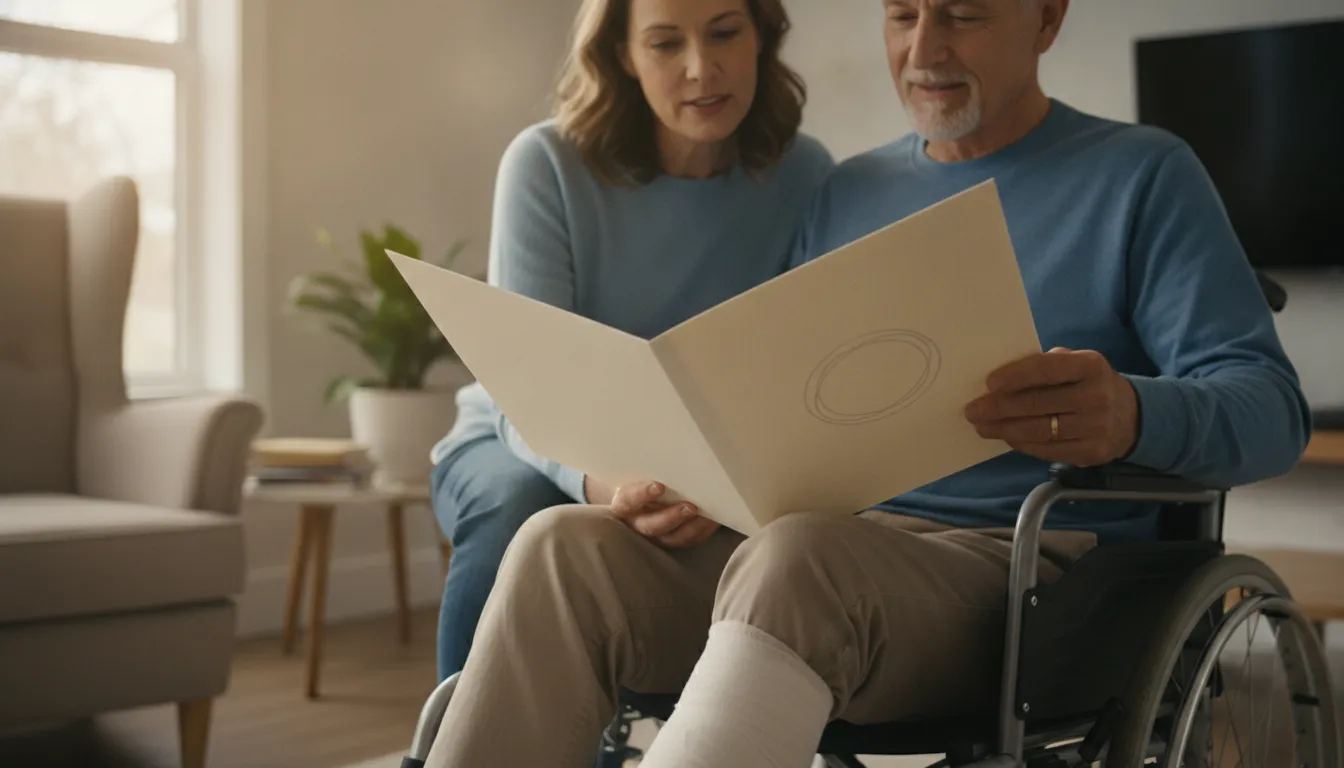
Depending on the injury, planning may address:
- Future physician visits, procedures, medications, and therapy.
- Assistive technology, mobility equipment, prosthetics, and replacement schedules.
- Home accessibility, vehicle access, transportation, and personal assistance.
- Vocational rehabilitation or changes to education and employment plans.
- Caregiver needs, respite, supervision, and the difference between paid services and family support.
For example, a spinal cord injury may require a different mix of equipment, therapy, attendant care, and home changes than a severe brain injury. The point is not to force every case into a template. It is to identify the person’s actual needs, explain the basis for each item, and update the analysis as medical information develops.
Families may find the firm’s Michigan spinal cord injury claims guide helpful for understanding one type of long-term injury. Its physical and cognitive therapy guide provides additional context about recovery-related documentation.
What Should Families Bring to an Initial Consultation?
An initial consultation is an opportunity to explain what happened, ask questions, and learn how the firm would evaluate the matter. Families do not need a perfect file before calling. A lawyer can identify what is missing, what should be preserved, and which questions require more investigation.
If available, bring or describe:
- The date, location, and basic description of the event.
- Names of people, businesses, drivers, insurers, or other parties involved.
- Accident reports, photographs, video, witness information, and correspondence.
- Hospital, physician, therapy, and rehabilitation information.
- Health insurance, auto insurance, disability, or other coverage documents.
- Work information, income records, and a description of current job duties.
- A list of current assistance needs, equipment, home changes, and upcoming appointments.
It is also useful to write down the family’s questions. Common questions include who may be responsible, what benefits may be available, how future care is evaluated, how communication will work, and how the fee agreement operates. A consultation does not require a family to promise that it will hire the firm.
Atnip & Associates offers a free consultation and describes its fee arrangement as no fee unless the firm wins. The written fee agreement controls the relationship, including any details about costs and expenses. Families should read it carefully and ask for an explanation of anything unclear.
For families considering a consultation about a spinal cord injury, the firm’s free spinal cord injury consultation resource offers a more specific starting point. Families can also use the firm’s contact page to review available ways to reach the office.
How Can a Macomb County Family Start?
Families can start by protecting health and safety, preserving records, and getting advice before making decisions that could affect a serious claim. The right legal strategy depends on the facts, and a consultation is the place to ask how the injury, evidence, insurance, and future needs fit together.
Macomb County is a service area for Atnip & Associates, PLLC, which also represents clients throughout Michigan. The firm emphasizes personalized attention and direct attorney involvement for serious personal injury matters. Its attorneys’ experience with both plaintiff-side litigation and insurance defense can provide context when a family is evaluating how an insurer may respond, but no lawyer can promise a particular settlement or verdict.
Early questions are often practical: Which records should be requested? Who should be notified? What should the family avoid saying or signing? What care and support may be needed next month or years from now? A focused conversation can help turn those questions into an organized next-step list.
Call 248-599-1607 to schedule a free consultation with Atnip & Associates, PLLC.
Frequently Asked Questions
Does every serious injury qualify as a catastrophic injury claim?
Not necessarily. The legal and medical analysis depends on the injury’s lasting effects, treatment needs, functional limitations, available evidence, and the circumstances of the event. A family should obtain a case-specific review rather than relying on a label or an estimate found online.
Should a family wait until medical treatment is complete before speaking with a lawyer?
There is no universal answer, but families generally do not need to wait to ask questions. Early guidance may help preserve accident evidence, coordinate records, and identify future-needs issues while treatment continues. A lawyer should explain how an early consultation fits the facts of the case.
What is the purpose of a life-care plan?
A life-care plan organizes a person’s projected medical, rehabilitation, equipment, accessibility, assistance, and related needs. It is an evidence-based planning tool, not a guarantee of a particular cost or recovery. The plan should reflect the individual’s condition and be supported by appropriate professional analysis.
Can an attorney help with a catastrophic injury caused by a car accident?
An attorney may evaluate the accident, insurance benefits, potential claims against responsible parties, evidence, and long-term losses. Michigan motor vehicle cases can involve complex no-fault questions, so the answer depends on the policies, medical facts, timing, and responsibility evidence.
How does Atnip & Associates charge for a serious injury case?
Atnip & Associates describes its personal injury representation as no fee unless the firm wins, with the written fee agreement controlling the relationship. Families should review that agreement and ask questions about costs, expenses, and any other terms before signing.
Talk With a Catastrophic Injury Lawyer in Macomb County
A life-altering injury affects more than a single appointment or bill. If your family is trying to understand evidence, future care, insurance, or possible losses, Atnip & Associates, PLLC can discuss the situation in a free consultation. The firm serves Macomb County and families throughout Michigan with compassionate, personalized representation.