

When someone dies because another person or company may have acted wrongfully, a family may face grief and urgent decisions at once. In Oakland County, those decisions can involve medical and funeral records, insurance communications, estate administration, and preserving evidence before details disappear.
A wrongful death attorney Oakland County families consult can explain how Michigan’s wrongful death process generally works. Identify who may be entitled to damages, help preserve evidence, and evaluate possible claims. Michigan law requires the action to be brought by the deceased person’s personal representative, but eligible survivors may have rights to damages. Deadlines and exceptions depend on the facts, so early case-specific guidance matters.
- Identify the personal representative and potential beneficiaries.
- Preserve accident, medical, employment, and financial records.
- Review insurance communications before making statements or accepting an offer.
- Discuss timing, damages, and estate-related requirements with qualified counsel.
This article offers general information, not legal advice for a particular family. The sections below explain the legal framework and the practical questions an Oakland County family may want to raise during an initial consultation.
What Is a Wrongful Death Claim in Michigan?
Michigan’s wrongful death statute addresses a death caused by the wrongful act, neglect. Or fault of another when the conduct would have supported a civil action if the person had survived. In practical terms, the question is not simply whether a death was tragic. The claim generally requires an underlying basis for civil liability, such as negligence or another legally recognized wrong, and damages suffered by people the statute identifies.
Michigan law also provides that the person or corporation that would have been liable if death had not occurred may remain liable for an action for damages. That framework can apply across different settings, including a motor vehicle crash, a workplace incident, a dangerous property condition, or a professional-liability dispute. The legal theory and proof will depend on the specific facts.
A wrongful death claim is different from the probate process, although the two can overlap. The estate’s personal representative brings the civil action, while the estate and eligible survivors may have interests in the recovery. The case may require coordination among the representative, family members, insurers, investigators, and counsel. A family does not need to resolve every legal question before asking for help.
For an Oakland County family, early questions may include:
- What event caused the death, and what evidence still exists?
- Who had a legal duty to the deceased, and what conduct may have breached it?
- What losses did surviving family members experience?
- Is an estate already open, and who is serving as personal representative?
Because these cases can involve disputed facts and substantial emotional and financial consequences, a family should avoid treating a general online explanation as a case determination. The personal injury practice areas available through Atnip & Associates provide a starting point for understanding the types of serious injury matters the firm evaluates. The governing statute should also be reviewed with an attorney who can apply it to the family’s circumstances.
For others, it may be just another case. For a grieving family, it is a life-changing loss. A careful legal evaluation should address both the proof and the people affected.
Read Michigan’s wrongful death statute for the statutory language.
Who Can File a Wrongful Death Claim in Michigan?
Under Michigan law, the wrongful death action is brought by and in the name of the personal representative of the deceased person’s estate. This does not mean the personal representative is the only person whose losses matter. The statute identifies people who may be entitled to damages if they suffer damages and survive the deceased.
Potentially eligible people can include a surviving spouse, children, descendants, parents, grandparents, brothers, and sisters. If none of those relatives survive, the statute also addresses people to whom the estate would pass under intestate succession. Eligibility is not automatic. The relationship, the person’s losses, and the facts of the estate can affect the analysis.
The personal representative has an important administrative role. Michigan law requires notice to people who may be entitled to damages. The statute states that, within 30 days after an action begins. The personal representative must serve a copy of the complaint and notice in the manner required by law. It also addresses the information that may need to be provided to the attorney for the personal representative after notice is mailed.
Families often find this structure confusing because the person filing the lawsuit and the people who may share in damages are not necessarily the same. A consultation can help clarify the difference between:
- The estate and its personal representative.
- Family members or other people who may have legally recognized losses.
- The procedure for notice and participation.
- The rules that may govern approval and distribution of proceeds.
Do not assume that an informal family agreement answers the legal question. A probate filing, will, family relationship, or disputed appointment may affect who can act for the estate. A family can review who can file a wrongful death claim for a broader Michigan explanation, then bring its specific questions to counsel.
The right next step may be to gather the death certificate, estate documents, family information, and communications received from insurers. Those materials do not decide eligibility by themselves, but they can help an attorney understand the family structure and identify issues that need prompt attention.
Review the Michigan statute’s beneficiary and notice provisions with qualified counsel.
What Damages May Be Available After a Fatal Injury?
Damages in a Michigan wrongful death case are tied to the losses supported by the evidence and the people who are legally entitled to recover. A family may be thinking about immediate bills, but the analysis can extend to the economic and personal contributions the deceased made over time. The amount and availability of any damages are case-specific and cannot be predicted from a general list.
Depending on the circumstances, the evaluation may address funeral and burial expenses, loss of financial support. Loss of future income, loss of companionship, and the value of household services or guidance. The evidence may include employment and income records, tax documents, medical records, household information, and testimony from people who understood the family’s relationship. Some losses are easier to document than others, but each should be considered carefully.
Michigan law also connects a wrongful death recovery to estate and probate procedures. The personal representative may need to provide notice to potential beneficiaries, and distribution of proceeds can be governed by court approval and estate rules. This means a settlement discussion is not always the end of the legal work. The family may need guidance about documentation, allocation, approval, and distribution before it can make an informed decision.
Families can learn more from Atnip’s guide to wrongful death damages. That resource covers the subject from a broader Michigan perspective. This Oakland County guide is intentionally focused on the local attorney-intent question: how to identify the issues. Gather information, and find counsel who can explain what may apply to one family’s loss.
Useful questions for an initial review include:
- What expenses arose because of the death?
- What financial support or services did the deceased provide?
- How did the loss affect the surviving spouse, children, or other eligible relatives?
- What documents support each category of loss?
- How might estate and probate requirements affect a recovery?
| Loss area. | Records to review. |
|---|---|
| Immediate expenses. | Funeral and burial bills. |
| Financial support. | Income, benefits, and household contributions. |
| Personal losses. | Companionship and family evidence. |
| Estate process. | Probate, notice, approval, and distribution records. |
A family should be cautious about focusing on a single number before the facts are developed. A responsible attorney should explain what is known, what remains uncertain, and how the evidence may affect the analysis. No result is guaranteed, and past verdicts or settlements cannot predict the outcome of a new case.
For background on how a case may fit within the firm’s work, see Atnip’s overview of catastrophic injury claims. A fatal loss can create needs that are both legal and deeply personal, and families deserve an explanation they can understand.
What Evidence Can Support a Wrongful Death Case?
Evidence helps connect the event, the responsible conduct, and the losses that followed. In a fatal-injury case, important information may be spread across emergency records, photographs, video, witness accounts, employment files, insurance communications, and estate documents. Some evidence can disappear quickly. Vehicles may be repaired, a scene may change, digital footage may be overwritten, and witnesses’ memories may fade.
That is why early legal guidance can be useful even when a family is not ready to decide whether to file a lawsuit. Counsel can help identify preservation steps, communicate with insurers, request records, and coordinate an investigation. The goal is not to force a family into litigation. It is to protect the ability to make an informed decision later.
Depending on the case, an attorney may examine:
- Police, crash, incident, or workplace reports.
- Photographs, video, vehicle data, physical evidence, and scene conditions.
- Medical, emergency, autopsy, and death records.
- Witness names, statements, messages, and other communications.
- Employment, income, benefits, and household-support information.
- Insurance policies, claim letters, recorded statements, and settlement proposals.
- Estate, probate, and family documents relevant to the claim.
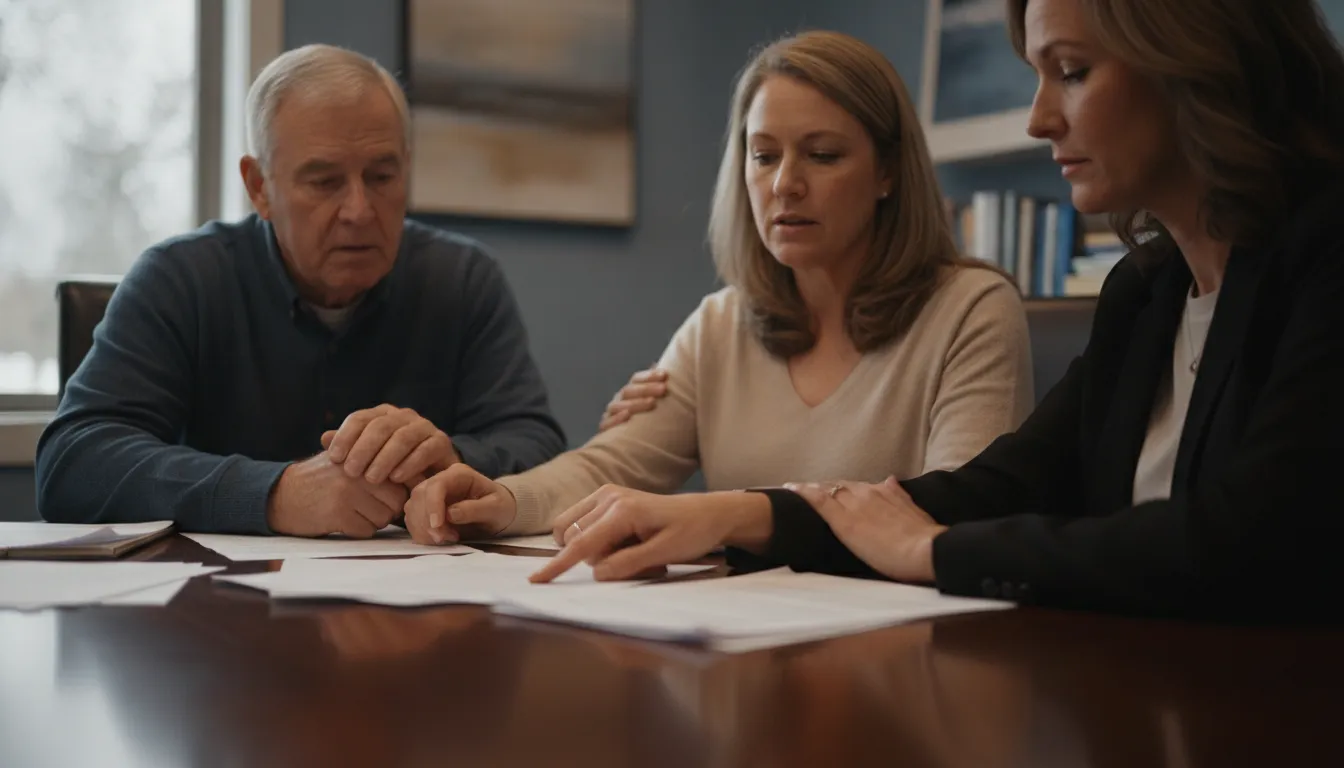
A family should preserve original files when possible and keep copies of letters, emails, photographs, and bills in one secure location. Do not delete messages or edit photographs. Avoid posting detailed accounts of the incident on social media, and consider speaking with counsel before providing a recorded statement or signing a release. These are practical precautions, not a conclusion that a claim will succeed.
Local details can matter, but the legal test comes from Michigan law. A family may find related Oakland County accident guidance helpful when the death followed a motorcycle crash. The specific cause of death, available records, and potential defendants should guide the investigation.
How Long Do You Have to File in Michigan?
Timing is one of the first issues a family should discuss with a Michigan attorney. The general limitations rule for an action seeking damages for a person’s death or injury is typically three years after the time of death or injury. Exceptions and other rules may affect a particular case. A family should not treat three years as a universal answer or wait until the deadline is close to seek advice.
The date that starts a limitations period, the legal theory, the identity of the defendant, the type of claim, and other facts can change the analysis. Notice requirements, estate administration, and evidence preservation may also create practical urgency before a filing deadline. If a government entity, medical provider, employer, or other specialized defendant may be involved, additional rules may apply.
For a deeper discussion, review Atnip’s guide to Michigan wrongful death deadlines. The most important point is not to rely on a calendar estimate from an online article. A lawyer needs to examine the death certificate, incident date, records, insurance communications, estate status, and possible defendants before giving case-specific advice.
Early action can help a family:
- Record the key dates and preserve related documents.
- Identify the estate’s personal representative.
- Protect physical and digital evidence.
- Understand whether notice or special procedures may apply.
- Evaluate possible claims before options narrow.
The Michigan Legislature’s limitations statute contains the general three-year language, but statutory text is not a substitute for legal advice. A missed deadline can materially affect a family’s rights, while an early consultation can clarify which questions require immediate attention.
Families should also remember that contacting an attorney does not require them to commit to a lawsuit. It is an opportunity to understand the process, preserve information, and make decisions with better information. If the loss occurred in Oakland County, a local attorney may be able to discuss the relevant facts and venue considerations while applying Michigan law.
How Can an Oakland County Wrongful Death Attorney Help?
A wrongful death attorney’s role is not limited to filing paperwork. For an Oakland County family, counsel may help organize the facts, explain Michigan’s process. Identify the personal representative and potential beneficiaries, preserve evidence, communicate with insurers, and evaluate the losses connected to the death. The right scope of help depends on the family’s needs and the facts of the case.
Families may want to ask how an attorney approaches:
- Investigation and preservation of evidence.
- Liability analysis and possible defenses.
- Insurance coverage and communications.
- Economic and personal losses.
- Probate, notice, settlement approval, and distribution issues.
- Communication with the personal representative and eligible survivors.
Experience with insurance defense can help an attorney anticipate how an insurer or defense team may examine a claim. Atnip & Associates’ materials identify insurance-defense backgrounds as part of the firm’s perspective. That experience does not guarantee a result, but it can inform preparation and help a family understand questions that may arise in negotiations or litigation.
The firm describes its approach as boutique and personalized, with direct attorney involvement rather than treating clients as case numbers. Atnip’s materials also state that the firm uses a contingency-fee model with no fee unless the firm wins, and that it assumes certain case-development costs. Families should ask for the written fee agreement and a clear explanation of costs, expenses, and what happens in different outcomes.
When comparing counsel, consider whether the attorney:
- Has experience with serious injury and wrongful death litigation.
- Explains uncertainty instead of promising a recovery.
- Can describe who will handle communication and important decisions.
- Will address both civil-claim and estate-related questions.
- Provides a clear plan for the next investigative steps.
Oakland County is within Atnip & Associates’ stated Michigan service region. Families can review the firm’s related fatal accident legal guidance and past verdicts and settlements as background, while remembering that prior matters do not predict a new case. A consultation should remain focused on the family’s own facts, goals, and questions.
For others, it’s just another case. For us, it’s personal. That principle should show up in careful listening, transparent advice, and respect for the family’s decisions at every stage.
Call 248-599-1607 to schedule a free consultation before you make decisions about a potential claim.
Frequently Asked Questions
Who can file a wrongful death lawsuit in Michigan?
The personal representative of the deceased person’s estate generally brings the action in the estate’s name. The people who may be entitled to damages can include certain surviving family members and, in some situations, heirs identified by Michigan law. An attorney can review the estate status, family relationships, and losses before giving a case-specific answer.
What is the statute of limitations for wrongful death in Michigan?
The general limitations period is typically three years after the time of death or injury, but exceptions and specialized rules may apply. The correct deadline depends on the facts, the legal theory, and the potential defendant. A family should seek advice promptly rather than relying on the general period alone.
What damages can be recovered in a wrongful death claim?
Potential damages may include funeral expenses, lost financial support or future income, loss of companionship, and other losses supported by the evidence and allowed by law. Household contributions and estate-related issues may also matter. The available categories and amount cannot be determined without reviewing the facts.
How does a wrongful death attorney help families in Oakland County?
An attorney may investigate the event, preserve evidence, explain liability and timing, communicate with insurers, evaluate losses, and guide the personal representative through notice and estate-related requirements. Counsel can also explain uncertainty and options without promising a particular result.
Discuss Your Family’s Options With Atnip & Associates
A fatal loss can leave a family unsure where to begin. You do not have to answer every question before seeking information. An initial conversation can help you understand the general process, identify documents to preserve, and determine which timing, estate, insurance, and evidence issues may require attention.
Atnip & Associates, PLLC represents Michigan families in serious personal injury and wrongful death matters with a compassionate, personalized approach. The firm’s stated position is simple: For others, it’s just another case. For us, it’s personal. Any evaluation remains dependent on the facts, applicable law, and the evidence available.
Call 248-599-1607 to schedule a free consultation. The firm states that it handles cases on a no-fee-unless-we-win contingency basis. Ask about the written fee agreement and any case-related expenses so you can make an informed decision.
