

A single text message can turn a routine Michigan drive into a life-changing wreck in seconds. The state now bans all hand-held phone use to prevent these crashes. At Atnip and Associates, for us, it is personal.
Call our distracted driving lawyer Michigan team today for a free consultation.
Understanding how the law treats these crashes is the first step toward getting justice for your injuries and losses. You must know your legal rights and what to expect when pursuing a claim against a careless driver.
Distracted Driving Lawyer Michigan: How Michigan’s Laws Protect Your Rights
Michigan’s distracted driving laws give crash victims a powerful legal foundation for holding careless drivers accountable. A distracted driving lawyer Michigan helps victims pursue compensation when drivers look at phones instead of the road. Michigan became a hands-free state in 2023, making it illegal to hold or support a phone while driving and allowing police to pull over violators immediately. If a distracted driver hits you, you may have a legal claim for pain and suffering in addition to basic no-fault benefits. Your lawyer gathers proof like phone logs, witness statements, and crash reports to establish that the other driver was not paying attention. The National Highway Traffic Safety Administration reports that texting for five seconds at highway speeds is equivalent to driving across a football field blind. Seeking legal help early ensures you meet tight filing deadlines and receive the full compensation you deserve.
The 2010 Texting Ban and Fines
Michigan first took a stand against phone use in 2010. This law banned drivers from reading, typing, or sending texts while a vehicle is in motion. It is a primary law, meaning police can pull you over for texting alone. The goal was to stop drivers from taking their eyes off the road for even a few seconds.
A first offense carries a $100 fine. A second offense jumps to $200. While these fines may seem modest, the impact on your driving record and insurance rates can be far more significant. The Michigan Compiled Laws establish these penalties to reduce risks for all drivers.
Michigan’s 2023 Hands-Free Law
In 2023, Michigan enacted a substantially stronger hands-free law. It is now illegal to hold or support a cell phone with any part of your body while driving. You cannot check social media, watch videos, or record video. The only permitted use of a phone is through hands-free tools like Bluetooth, voice commands, or a dashboard mount.
Drivers under 18 face a total ban on cell phone use in any form. They cannot use hands-free tools either. This rule helps new drivers maintain focus on the road. At 55 miles per hour, taking your eyes off the road for five seconds means traveling the length of a football field without looking.
Costs for Distracted Drivers
Violating these laws results in more than just monetary fines. You can also receive points on your driver’s license. Accumulating too many points can lead to license suspension. In some cases, a judge may order you to complete a safety course. These consequences demonstrate how seriously Michigan treats distracted driving.
Distracted driving also establishes legal liability when a crash occurs. If you are in a wreck with a distracted driver, state laws determine how much compensation you may recover. The Michigan comparative fault system helps allocate fault in these claims. A driver who was texting or holding a phone may be found primarily at fault. Making it easier for victims to seek compensation for medical expenses and vehicle damage.
What Evidence Proves a Driver Was Distracted in a Car Accident?
If you are injured in a car crash, you must prove the other driver was at fault. This is known as the burden of proof. In Michigan, establishing fault is the most critical element of your case. A skilled distracted driving lawyer Michigan knows how to gather the evidence needed for your claim.
Phone Records and Digital Evidence
Phone records are among the most powerful forms of evidence. Your lawyer can obtain cell phone records through subpoena or request to determine whether the driver was using their device at the time of the crash. These records show the exact timing of calls, texts, and data usage. If a driver was sending or reading a text moments before impact, it demonstrates they violated Michigan’s hands-free law. This digital trail is extremely difficult for the other driver to dispute.
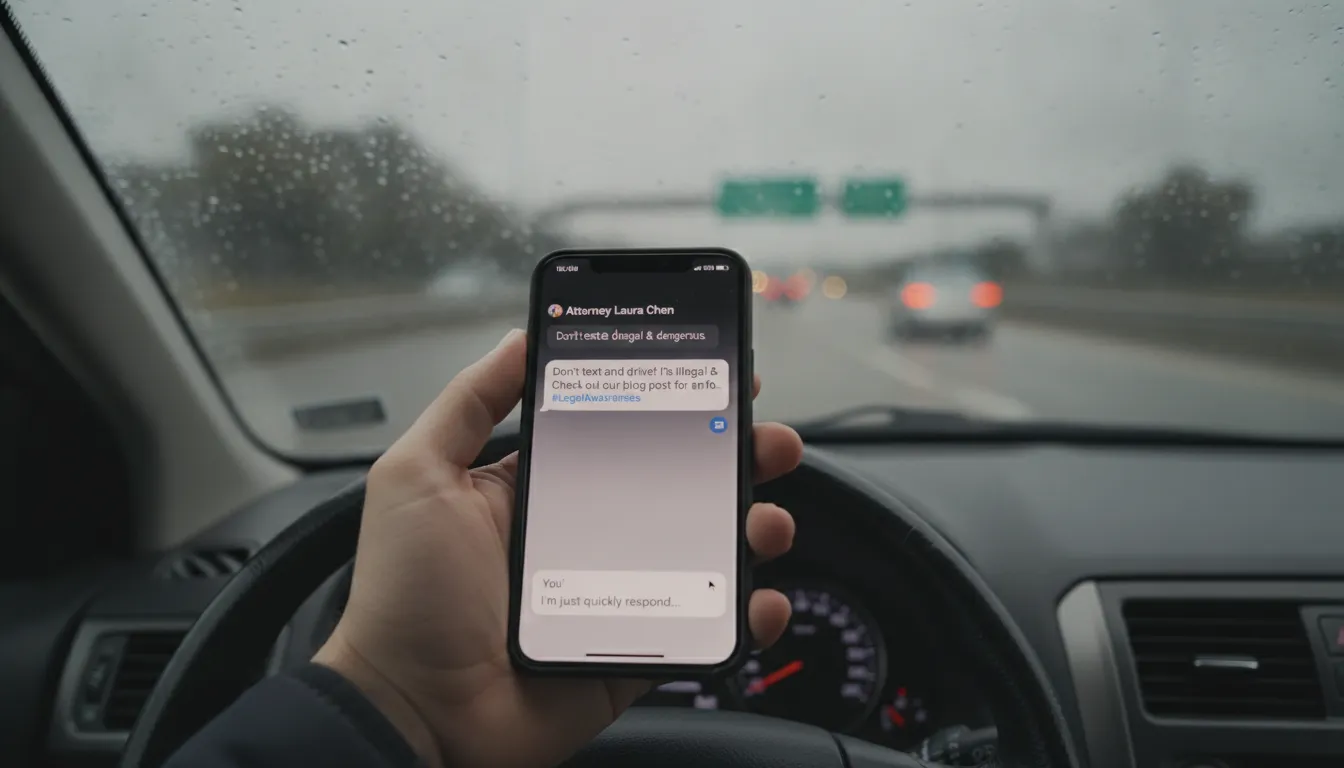
Modern vehicles also contain an Event Data Recorder, commonly known as a black box. This device tracks speed, braking, and steering inputs in the seconds before impact. It can reveal whether the driver attempted to brake or swerve. If the data shows no evasive action, it often indicates the driver was distracted and never saw the hazard.
Witness Statements and Video Footage
Witness statements are another critical component of building your case. People who observed the crash can provide testimony about what the distracted driver was doing. They may have noticed the driver looking down or holding a phone. These accounts help construct a clear picture of the events leading to the crash.
Surveillance cameras often capture the moments before a wreck. Traffic cameras or security footage from nearby businesses can show what the driver was doing prior to the collision. Your legal team will act promptly to secure this footage before it is overwritten. Video evidence carries substantial weight in any legal proceeding.
Police Reports and Social Media
Police reports are typically the first place a lawyer looks for evidence. When officers arrive at the scene, they investigate the cause of the crash. An officer may find a phone on the floorboard or note that the driver appeared unfocused. If the officer issues a citation for phone use, it strengthens your claim significantly.
Social media has become an increasingly common source of evidence. Drivers sometimes post photos or videos to their accounts while behind the wheel. These posts carry timestamps that your legal team can match to the time of the crash. As discussed in our article about distracted driving caused by social media use, a driver’s own online activity can reveal dangerous behavior behind the wheel.
Common Types of Distracted Driving Behind Michigan Crashes
Most people associate distracted driving with texting. While phones create significant risk, many other activities divert a driver’s attention from the road. The National Highway Traffic Safety Administration categorizes distractions into three main types, each of which increases the likelihood of a crash on Michigan roads.
Visual and Manual Distractions
Visual distraction occurs when a driver takes their eyes off the road. Looking at a GPS, checking a phone, or observing a crash scene on the shoulder are common examples. Manual distraction occurs when a driver removes their hands from the steering wheel. This includes eating, drinking, grooming, or reaching for a dropped item. Many drivers engage in both types simultaneously, compounding the risk.
Cell phone use is especially dangerous because it encompasses all three types of distraction. In the five seconds required to send a text, a vehicle traveling at highway speed can cover the length of a football field. The NHTSA provides detailed data on these risks. Because distracted drivers often fail to brake, these collisions frequently occur at full speed, leading to more severe injuries.
| Distraction Type | Definition | Common Examples | Why It Is Dangerous |
|---|---|---|---|
| Visual | Taking your eyes off the road | Looking at a phone, GPS, or roadside scenery | Even three seconds of looking away doubles crash risk. |
| Manual | Taking your hands off the wheel | Eating, drinking, grooming, reaching for objects | Slows reaction time for steering and braking. |
| Cognitive | Taking your mind off driving | Daydreaming, deep conversation, thinking about work | Creates look-but-do-not-see effect at intersections. |
Cognitive Distractions and Teen Driver Risks
Cognitive distraction happens when your brain is not focused on the task of driving. You may be engaged in a conversation with a passenger or lost in thought about work. Even if your eyes remain on the road and your hands stay on the wheel, your mind may not register what is in front of you. This look-but-do-not-see effect contributes to many rear-end collisions.
Teen drivers face heightened risks from these distractions. Approximately half of all teenagers with cell phones admit to texting while driving. Data from the CDC indicates that one in ten crashes involving drivers under age 20 involved cell phone use at the time of the collision. If you were hit by a driver who was not paying attention, a distracted driving lawyer Michigan can help you pursue a fair settlement.
Michigan No-Fault Insurance and Distracted Driving Claims
Michigan operates under a unique no-fault insurance system that handles accident costs differently than most states. When a distracted driver hits you, your own insurance typically pays first. This system allows you to receive medical care promptly without waiting for a court to determine fault. However, navigating the rules governing Personal Injury Protection benefits can be complex, particularly when a serious injury alters your life and requires ongoing care.
The no-fault system covers everyone in the vehicle, as well as pedestrians and cyclists who are struck. It provides a safety net so that medical expenses do not accumulate while you recover. However, Michigan’s insurance laws changed in 2020, and policyholders must now select a PIP coverage limit. This choice directly affects how much your insurer will pay for your medical treatment. Having a legal team that understands these recent changes can help you maximize the benefits available under your policy.
Knowing Your PIP Benefits
Under Michigan law, your PIP benefits cover all reasonable and necessary medical expenses related to your care. This includes hospital stays, surgeries, and physical therapy. You may also receive up to three years of wage loss benefits if your injuries prevent you from working. Since these benefits come from your own policy, you can receive support while your distracted driving lawyer Michigan builds your liability case.
PIP also covers costs you might not anticipate, such as transportation to medical appointments. It may pay for replacement services if you can no longer perform household tasks. These benefits can provide meaningful assistance to your family during recovery.
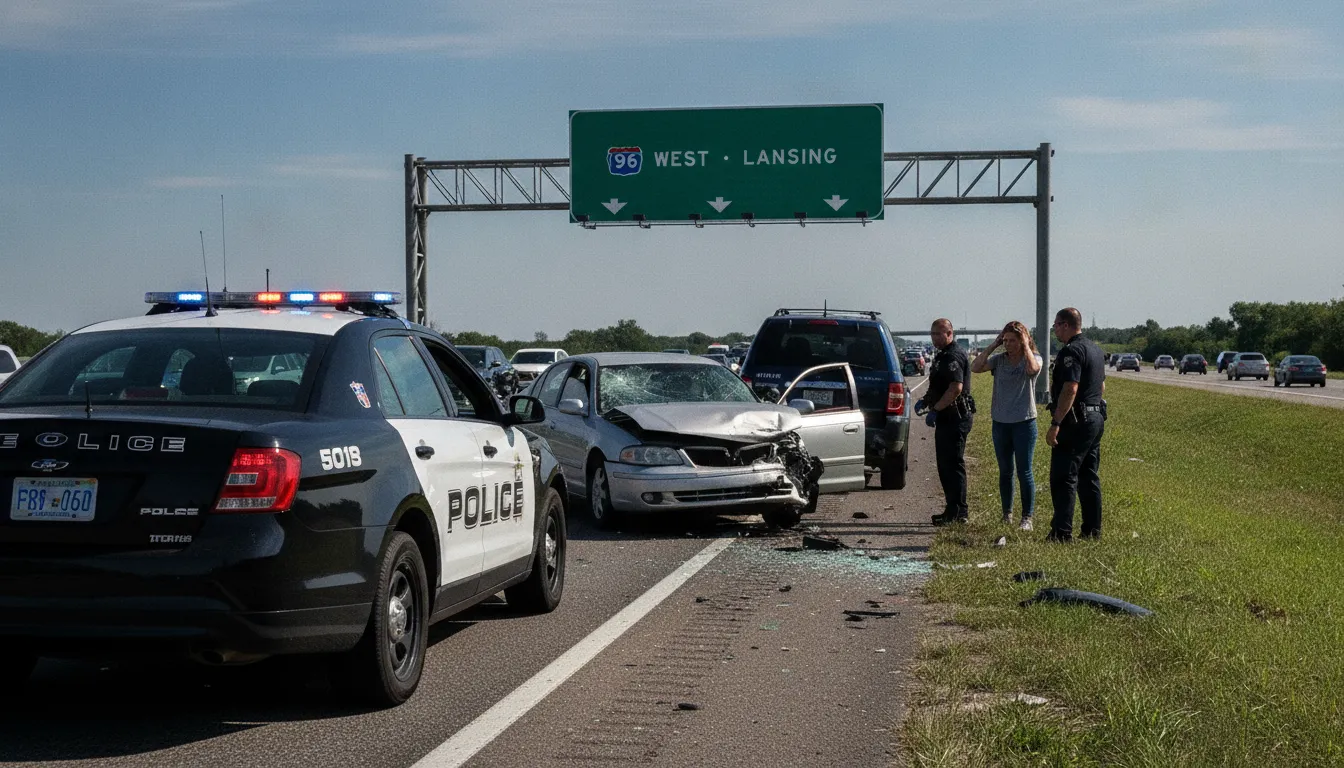
The Serious Impairment Threshold
No-fault insurance covers your medical expenses and lost wages, but it does not compensate you for pain and suffering. To recover these damages from the at-fault driver, your injury must meet a legal standard. Michigan law requires proof of a serious impairment of body function to pursue a third-party claim. Your injury must be objectively demonstrated and must affect your ability to live your normal life. MCL 500.3135 establishes this requirement.
This threshold is central to most distracted driving cases in Michigan. Proving a serious impairment is not always straightforward. It often requires expert medical testimony and documentation of how your daily life has changed. The team at Atnip and Associates reviews your medical records and consults with your physicians to build a comprehensive case.
Contact our distracted driving lawyer Michigan team today for a free case evaluation.
How Defense Insight Strengthens Your Case
Proving that a distracted driver caused a life-altering injury requires deep experience. At Atnip and Associates, PLLC, some of our attorneys previously worked for insurance companies. We understand how carriers like State Farm and AAA evaluate claims because we have been on the other side. We use this perspective to anticipate their strategies and advocate aggressively for the full compensation you deserve. For others, it is just another case. For us, it is personal.
What Steps Should You Take After a Distracted Driving Accident?
The moments following a car crash are often chaotic and overwhelming. If you suspect the other driver was using their phone or looking away, you need to act quickly. Taking the correct steps helps protect your safety and strengthens your legal claim.
Protecting Your Health and Preserving Evidence
Your first priority is checking for injuries. Even if the other driver was distracted, your safety comes first. Move to a safe location if possible and call 911 immediately. Police and medical responders can assist injured individuals and create an official accident report.
- Check for injuries and call 911. Ensure everyone in your vehicle is safe. Contact the police so they can dispatch medical help and begin their investigation. This report will become a critical piece of evidence for your claim.
- Document the scene with photographs. Use your phone to capture clear images of both vehicles and the surrounding area. Look for signs that the other driver was distracted, such as a phone on the floor or an absence of skid marks indicating no braking occurred.
- Gather witness contact information. Speak with anyone who observed the crash. Ask what they saw the other driver doing before the impact. Witnesses may have noticed the driver looking down or holding a phone, which helps establish distracted driving.
- Seek medical attention immediately. Visit a doctor even if you feel fine. Some injuries, including whiplash and traumatic brain injuries, may not present symptoms for days. A medical record from the date of the crash establishes that your injuries resulted from the accident.
- Request a copy of the police report. Inform the officer if you observed the other driver using a phone. The officer may document that the driver appeared distracted or locate a phone at the scene.
- Notify your insurance company. You must inform your insurer about the crash to initiate your no-fault claim. However, do not provide a recorded statement without legal representation. Insurance companies often use these statements to minimize your payout.
- Contact a distracted driving lawyer Michigan. An experienced attorney can help you obtain crucial evidence such as phone records and crash data. You can schedule a free consultation to discuss your case.
Collecting Critical Evidence at the Scene
Evidence can disappear rapidly after a crash. You should attempt to preserve any proof that the driver was not watching the road. This may include items like food wrappers or a phone that remains visible. These small details can demonstrate that the driver was not focused on driving.
You can also examine the road itself for clues. Distracted drivers often collide with other vehicles without braking at all. The absence of skid marks indicates the driver never saw you and never attempted to stop. A distracted driving lawyer Michigan can use this evidence to establish that the other driver was at fault.
Learn more about Michigan motor vehicle accident claims to understand how fault and compensation work in these cases.
Frequently Asked Questions
How long do I have to file a distracted driving claim in Michigan?
Michigan imposes strict deadlines for filing legal claims. For a personal injury case against a negligent driver, you generally have three years from the date of the crash under the Michigan Compiled Laws. However, for no-fault insurance benefits, you must file a claim with your own provider within one year. Missing these deadlines permanently bars you from recovering compensation for your injuries.
Can I sue for pain and suffering if the other driver was distracted?
Yes. You can pursue a third-party claim against the at-fault driver for pain and suffering, but only if your injuries meet Michigan’s serious impairment threshold. This legal standard requires objective proof that your injury has affected your ability to live your normal life. Medical records, expert testimony, and documentation of daily limitations help establish that your case qualifies.
What compensation is available after a distracted driving accident?
Available compensation generally includes all reasonable medical expenses through PIP benefits, up to three years of wage loss. Replacement services for household tasks you can no longer perform, and pain and suffering damages from the at-fault driver if your injury meets the serious impairment threshold. A distracted driving lawyer Michigan can help evaluate what types of compensation apply to your specific situation.
Does Michigan’s no-fault law protect distracted drivers from being sued?
No. While Michigan’s no-fault system requires your own insurance to pay your medical bills first, you can still file a third-party liability claim against the distracted driver. The no-fault threshold only limits pain and suffering claims to cases involving serious impairment of body function. Distracted drivers who violate Michigan’s hands-free law can still be held accountable for their actions.
Ready to Schedule a Free Legal Consultation With Our Team?
Waiting to speak with a lawyer can make it much harder to obtain the compensation you need for medical bills and lost income. Evidence from the crash scene can disappear quickly, and witnesses may relocate or forget details if you do not act promptly. Starting your claim now is the most effective way to protect your legal rights and focus on your recovery.
