A serious injury can change your health, work, finances, and family responsibilities at the same time. In Wayne County, the right legal representation should do more than send forms or relay settlement offers. It should help you understand what is happening, protect important evidence, and give your family a clear way to make decisions.
When comparing a personal injury lawyer Wayne County, look for relevant trial experience, direct attorney communication, the resources to investigate a complex claim, and a clear explanation of fees. It is also worth asking whether the attorney understands insurance-defense strategies and can address first-party insurance benefits as well as claims against an at-fault party.
Those questions matter whether your case involves a vehicle crash, a serious premises injury, or life-changing harm that may require long-term care. A free initial consultation can help you learn how a firm evaluates your circumstances, who will handle your case, and what steps may come next.
Call 248-599-1607 to schedule a free consultation and discuss your Wayne County injury claim.
What Should You Look for in a Personal Injury Lawyer Wayne County?
After a serious accident, choosing counsel is about more than finding a name in a directory. You need a lawyer whose experience fits the nature of your injury. Whose communication style gives your family clarity, and whose approach accounts for the practical pressures of a claim. Wayne County residents in Detroit, Livonia, Canton, and surrounding communities may be dealing with medical treatment, missed work, insurance questions, and uncertainty about what happens next.
Start by asking whether the lawyer regularly handles cases like yours. A firm that works with serious injury, wrongful death, motor vehicle, premises liability. And related claims may be better positioned to recognize the issues that can shape your case. For injuries involving permanent disability, disfigurement, or extensive future care, ask specifically about experience with catastrophic injury representation, not just general accident claims.
| Question to ask | Why it matters |
|---|---|
| Have you handled injuries like mine? | Relevant experience helps the attorney identify issues tied to the injury and claim type. |
| Who will communicate with me? | Clear access and regular updates help your family make informed decisions. |
| How will you investigate? | A tailored plan can address disputed fault, medical evidence, witnesses, and future needs. |
Look for experience that matches the stakes
Relevant experience should include more than years in practice. Ask whether the attorney has investigated disputed liability, prepared cases for litigation, and worked through the long-term effects of a serious injury. Atnip & Associates is a Michigan plaintiff-side personal injury firm founded and led by Heather J. Atnip. The firm reports that Heather has more than 20 years of experience in catastrophic injury and wrongful death litigation. And that its team has 85 years of combined legal experience. Those facts describe background, not a promise of a particular result. Every claim still depends on its evidence, legal issues, and individual circumstances.
Insurance knowledge can also matter. Several attorneys at the firm have insurance-defense backgrounds, including experience working from the insurer’s side of a claim. That perspective may help counsel understand how an insurer evaluates information, develops defenses, and approaches settlement authority. It does not guarantee that an insurer will accept a claim or that a case will resolve in a particular way.
Prioritize direct attorney involvement
Ask who will actually handle your case and how often you can speak with that person. A serious injury can involve changing medical information, multiple insurers, lost income, and decisions that require a careful explanation. You should know whether an attorney will provide oversight, whether your questions will be answered promptly, and how updates will be delivered. Personalized attention does not mean that every issue is resolved immediately, but it should mean that your legal team understands your situation and keeps you informed.
Finally, consider whether the firm serves your location and case type without treating geography as a substitute for fit. Atnip & Associates has offices in Rochester Hills and Escanaba and represents clients throughout Michigan, including Wayne County. Review the firm’s guide to choosing a personal injury firm, then bring focused questions to an initial consultation. The right decision should be based on your facts, your goals, and your confidence in the attorney-client relationship, not on a guarantee of an outcome.
How Does Relevant Experience Affect a Serious Injury Claim?
Serious injury claims can involve more than proving that an accident occurred. The legal team may need to understand the extent of an injury, how it affects a person’s work and daily life, and which insurance policies may apply. Experience that matches those issues can help an attorney identify important questions early and explain the available paths in understandable terms. It does not guarantee a particular result, because every claim depends on its evidence, law, and individual facts.
For example, Heather J. Atnip is described as having more than 20 years of experience in catastrophic injury and wrongful death litigation. The firm also reports 85 years of combined legal experience and represents individuals and families in serious injury, wrongful death, motor vehicle, and premises liability matters throughout Michigan. That background may be relevant when a Wayne County family is dealing with permanent disability, disfigurement, a life-altering injury, or the loss of a loved one.
Why does insurance experience matter?
A plaintiff-side attorney with insurance-defense experience may recognize how an insurer evaluates a claim and how an adjuster or defense lawyer could frame disputed issues. Atnip reports that multiple attorneys have insurance-defense backgrounds, including Heather Atnip’s prior work for an insurance company. This experience can support a more informed discussion of claims adjustment, defense arguments, and settlement authority. It should be presented as useful perspective, not as a promise that a claim will settle or succeed.
That perspective can be especially relevant when a claimant is communicating with several insurers. Facing a delayed or denied PIP benefit, or trying to coordinate auto and health insurance. The attorney can help separate the practical questions from the legal ones, such as what documentation may be needed. What position an insurer is taking, and whether a response could affect another part of the claim. Clients should still ask counsel to explain the strategy for their specific circumstances.
What are first-party and third-party claims?
A first-party claim is generally made against the injured person’s own insurer. In a Michigan motor vehicle matter, this may include questions about no-fault benefits and coverage. A third-party claim is generally made against the person or entity alleged to have caused the injury. Some accidents involve both types of claims, which can create different rules, evidence requirements, and insurance communications. A firm that handles both first-party claims against a client’s insurer and third-party claims against an at-fault party may be positioned to evaluate how those claims fit together.
When assessing fit, ask whether the attorney has handled injuries and insurance issues similar to yours. Who will make the key decisions, and how the case will be investigated if liability or the extent of harm is disputed. You can learn more about the firm’s approach to Michigan motor vehicle accident claims, then discuss your own facts directly with counsel.
What Case Resources and Communication Standards Matter?
A serious injury claim often depends on more than the first account of what happened. Important details may be found in medical records, photographs, employment records, insurance correspondence, witness statements, or video that could eventually be overwritten. Ask how a prospective attorney develops evidence, preserves important materials, and explains the plan for building your claim.
Depending on the facts, case development may include an independent investigation, review of crash-scene evidence, collection of available video, and identification and interviews of witnesses. Medical-record analysis can help counsel understand the injury and its treatment over time. In a complex case, accident reconstruction may also help address how a collision occurred. These steps are not automatic in every matter, and the appropriate investigation depends on the type of incident and the issues in dispute.
Resources should match the needs of the case. Families dealing with catastrophic injury, permanent disability, or disfigurement may need a more detailed assessment of future care, work capacity, and financial impact. Counsel may coordinate with medical, vocational, financial, or other professionals when their knowledge is relevant to evaluating those issues. This does not guarantee a particular result. It gives the legal team a structured way to understand the harm and present supported information.
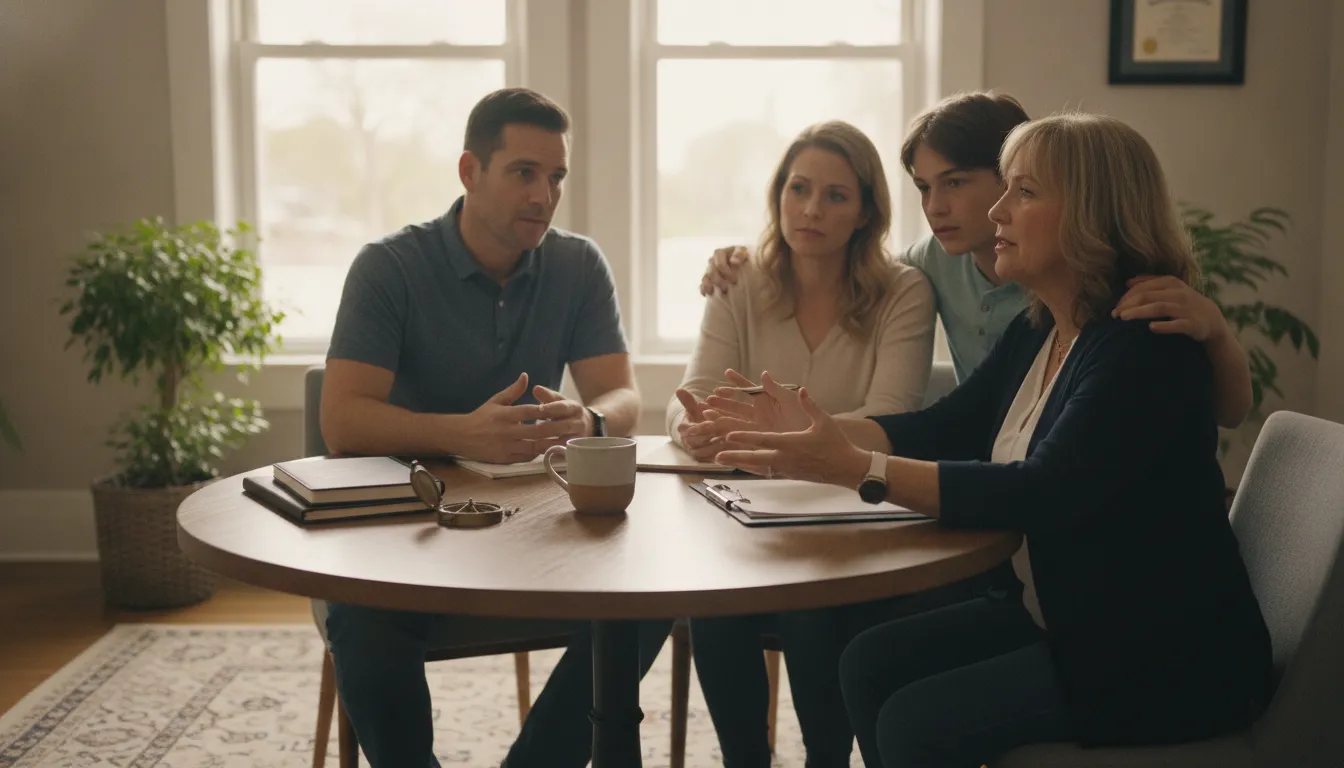
Direct attorney access should be part of the conversation
Ask who will be responsible for your case and how often you can expect meaningful updates. A communication standard should include more than confirmation that a document was received. You should be able to understand what has happened, what information is still needed. What decisions may be approaching, and how the next step fits into the broader process. Direct attorney access can be especially important when liability is disputed, injuries are changing, or several insurers are involved.
Atnip & Associates describes its approach as personalized attorney oversight, direct attorney access rather than only paralegal contact, regular updates, and access to team resources. The firm is a Michigan plaintiff-side practice led by Heather J. Atnip and represents individuals and families in serious injury, wrongful death, motor vehicle, and premises liability matters throughout Michigan. You can review the firm’s Michigan personal injury practice areas to see how its services relate to your situation, including catastrophic injury representation.
For others, it is just another case. For us, it is personal. During an initial conversation, ask about the investigation your circumstances may require, who will communicate with you, and how questions will be handled as the claim develops.
How Do Michigan Insurance Issues and Fees Work?
Insurance language can make an already difficult injury claim feel more confusing. The right legal strategy may depend on whose insurance policy applies, what benefits are available, and how the insurer evaluates the evidence. Atnip & Associates handles both insurance disputes and claims against people or entities whose conduct caused an injury. That includes Michigan no-fault issues in motor vehicle cases.
What are first-party and third-party claims?
A first-party claim is made against your own insurer. In an auto accident, this may involve Personal Protection Insurance, commonly called PIP. Michigan requires drivers to purchase auto no-fault insurance to drive legally. And auto insurance may pay reasonably necessary medical expenses up to the coverage limit selected for the policy. The details can depend on the policy, the injury, and the circumstances of the crash. A denial, delay, or dispute over which insurer should pay can require careful review.
A third-party claim is made against the person or business alleged to have caused the injury. For example, a person injured in a collision may have questions about the other driver’s responsibility, available insurance, and how fault affects a claim. These issues can become more complicated when several insurers are involved, or when the responsible driver is uninsured or underinsured. You can learn more about Michigan motor vehicle accident claims and the insurance issues they may raise.
How does an insurer evaluate an injury claim?
An insurer may examine medical records, accident evidence, statements, employment information, and the legal arguments supporting a claim. Insurance-defense experience can help an attorney understand claims-adjustment processes, defense positions, and how insurers assess liability and damages. At Atnip & Associates, several attorneys have insurance-defense backgrounds, including experience working for or defending insurance companies. That perspective is used to prepare a claim carefully, not to promise a particular result.
- Which policy or policies may provide coverage?
- Are medical expenses, lost income, or other losses being disputed?
- Has the insurer issued a denial, delayed payment, or requested a statement?
- What evidence may clarify fault, injury severity, and future needs?
What does a contingency fee mean?
Atnip & Associates uses a contingency-fee structure for qualifying representations. That means there is no upfront legal fee, and attorney fees are owed only if compensation is recovered. The representation agreement should explain the fee arrangement and any case-related costs in clear terms. No two claims are identical, so prospective clients should ask what the agreement covers and how expenses are handled before deciding whether to proceed. The firm offers a free initial consultation to discuss legal options, the process, timing, and fees. For more detail, review the guide to no-win, no-fee representation and bring your specific questions to a consultation.
What Should You Ask at the Initial Consultation?
An initial consultation is a chance to understand your options before deciding whether a lawyer is the right fit. You do not need to have every document organized or know the legal terminology. Bring the basic facts you have, describe what happened as clearly as you can, and use the conversation to learn how the firm would approach your concerns. A free consultation should leave you with a clearer understanding of the possible next steps, the information still needed, and how communication would work.
Whether you are in Detroit, Livonia, Canton, or elsewhere in Wayne County, consider asking these questions:
- Have you handled cases involving injuries and circumstances like mine? Ask about comparable experience, such as a motor vehicle collision, serious premises injury, catastrophic injury, or wrongful death. Experience should help you evaluate case fit, but no lawyer can promise a particular result because each claim depends on its facts and evidence.
- Who will personally handle my case? Find out whether you will work directly with an attorney, which team members may assist, and who will make important decisions. A firm should be able to explain how attorney oversight and client access are maintained throughout the representation.
- How will you investigate what happened? Ask whether the case may require gathering medical records, identifying witnesses, preserving video or other scene evidence, reviewing reports, or consulting appropriate experts. The investigation should be tailored to the injury and the disputed facts, not based on a one-size-fits-all checklist.
- How would you evaluate the insurance issues? In a motor vehicle case, ask how the firm would assess available policies, PIP issues, uninsured or underinsured coverage, and claims against potentially responsible parties. Michigan cases can involve first-party claims against an insurer and third-party claims against another party, so ask which issues may be relevant to your situation.
- How do fees and case costs work? Ask whether representation is contingency based, whether there is an upfront legal fee, how case expenses are handled, and when any attorney fee would be paid. Atnip & Associates describes its representation model as contingency based, with attorney fees paid only if compensation is recovered. Make sure you understand the written agreement before signing.
- What deadlines or time-sensitive issues should I discuss now? Do not assume that one deadline applies to every injury claim. Ask counsel to identify the deadlines and notice requirements that could affect your specific facts, insurance claims, or potential defendants. Prompt discussion can help preserve information while the details are still available.
- What should I do, and what should I avoid doing, while the claim is evaluated? Ask about preserving records, communicating with insurers, documenting symptoms, and directing questions to the legal team. The answer should reflect your circumstances rather than generic individualized legal advice from a website.
Before the meeting, you can review what to bring to a consultation and write down questions that concern you or your family. You can also use the firm’s contact page to request a free consultation by phone, online form, or in person. The goal is not to pressure you into a decision. It is to help you understand the process, the available options, and whether the attorney-client relationship feels appropriate for your needs.
When Should You Contact a Wayne County Injury Lawyer?
There is no need to wait until every medical appointment is complete or every document is neatly organized before asking for legal guidance. A serious injury can involve evidence that becomes harder to locate, insurance communications that need careful attention, and decisions about treatment, work, and finances. An early conversation can help identify what information matters and which questions should be addressed first.
Contact can be especially useful when the other party disputes responsibility, an insurer delays or denies benefits. More than one policy may apply, or the injury may affect your future care or ability to work. A collision claim may involve both a first-party insurance issue and a third-party claim. A premises injury, dog bite, or wrongful-death matter may raise different evidence and deadline questions. The right next step depends on the facts, so avoid relying on a general online deadline as a substitute for case-specific advice.
Keep your first conversation focused
Before contacting a firm, write down the date and location of the incident, the people and businesses involved. The medical care you have received, any insurance communications, and the immediate ways the injury has affected your household. Save photographs, messages, records, and letters in their original form. Do not alter or delete social media posts, and do not guess at details you do not remember. A clear explanation of what you know, what you do not know, and what remains disputed gives the attorney a better starting point.
Atnip & Associates offers a free initial consultation and serves Wayne County as part of its broader Michigan practice. You can review the firm’s Michigan personal injury attorneys and its Michigan personal injury resources before deciding what questions to bring. For a serious injury, the purpose of the first call is not to promise an outcome. It is to learn whether the firm’s experience, communication approach, resources, and fee structure fit your circumstances.
For others, it may be just another intake. For you and your family, it is a major life event. Choosing counsel who listens carefully and explains the process clearly can make the legal side of recovery easier to understand.
Frequently Asked Questions
How does a contingency fee work in a personal injury case?
Under a contingency-fee arrangement, you generally do not pay an upfront attorney fee. The attorney fee is paid only if compensation is recovered. Ask during the consultation how case expenses are handled, what the written agreement covers, and whether any costs could remain your responsibility.
What should I bring to an initial consultation?
Bring medical records and bills if available, photographs, insurance information, police or incident reports, correspondence from insurers, and contact information for witnesses. If you do not have every document, do not delay asking for help. Be ready to explain what happened, your injuries, treatment, work impact, and communications with insurers.
What should I avoid saying to an injury lawyer or insurer?
Do not guess, exaggerate, hide relevant facts, or speculate about fault. Give a truthful, complete account and identify uncertainties clearly. Avoid posting details about the incident or your recovery publicly. A lawyer can explain how to communicate with insurers while protecting the accuracy of your claim.
Is it worth pursuing a personal injury claim?
That depends on the evidence, injuries, available insurance, responsibility for the incident, and the costs and risks of pursuing the claim. Michigan may reduce damages by a plaintiff’s percentage of negligence, and a specific rule may affect noneconomic damages when the plaintiff is more than 50 percent at fault. Discuss your facts and possible deadlines with counsel before deciding.
Schedule a Free Consultation About Your Injury Claim
Choosing representation after a serious injury can feel overwhelming. A private conversation can help you explain what happened, ask questions about communication and fees, and understand possible next steps without pressure. To discuss your Wayne County claim with Atnip & Associates, call 248-599-1607 to schedule a free consultation. Bring any questions and the information you have available, so the firm can better understand your situation and explain how it may be able to help.